
503-714-3504
Learn about upcoming trips!
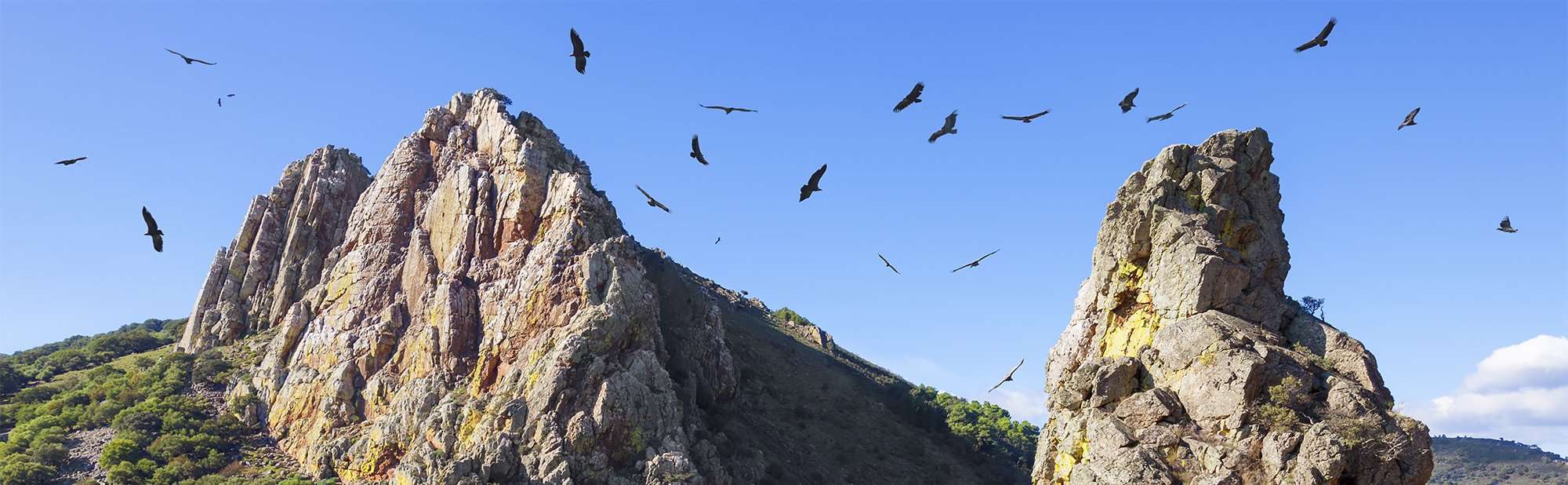
 Dehesa woodland habitat in Extremadura





Spain
Birding, Natural History, and Culture
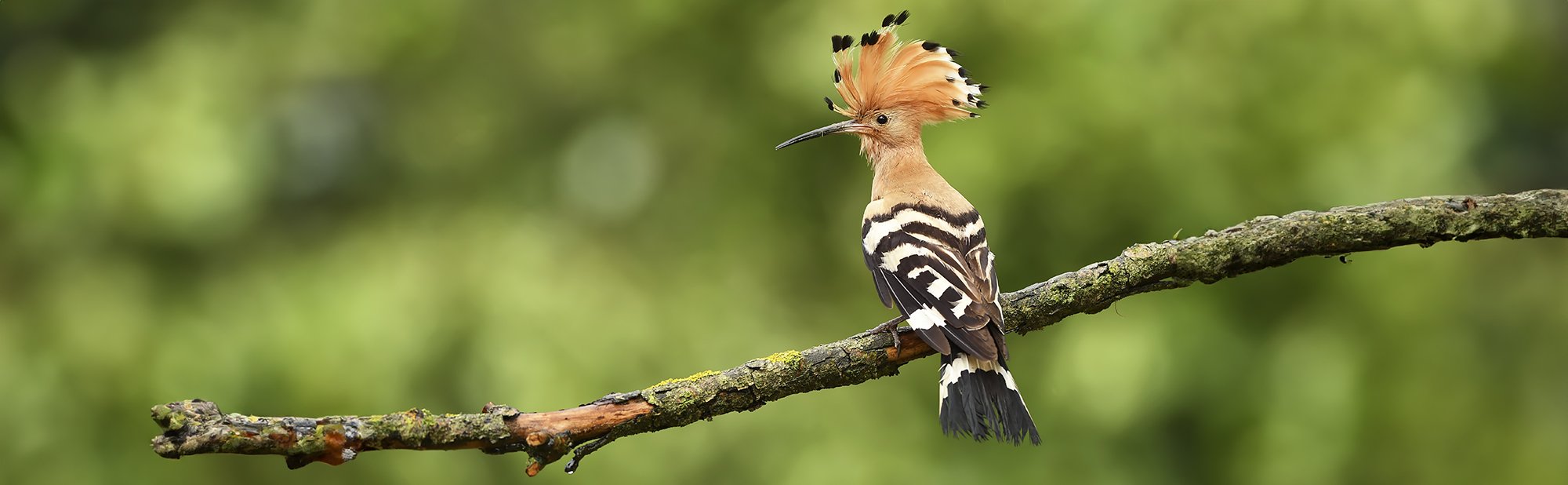
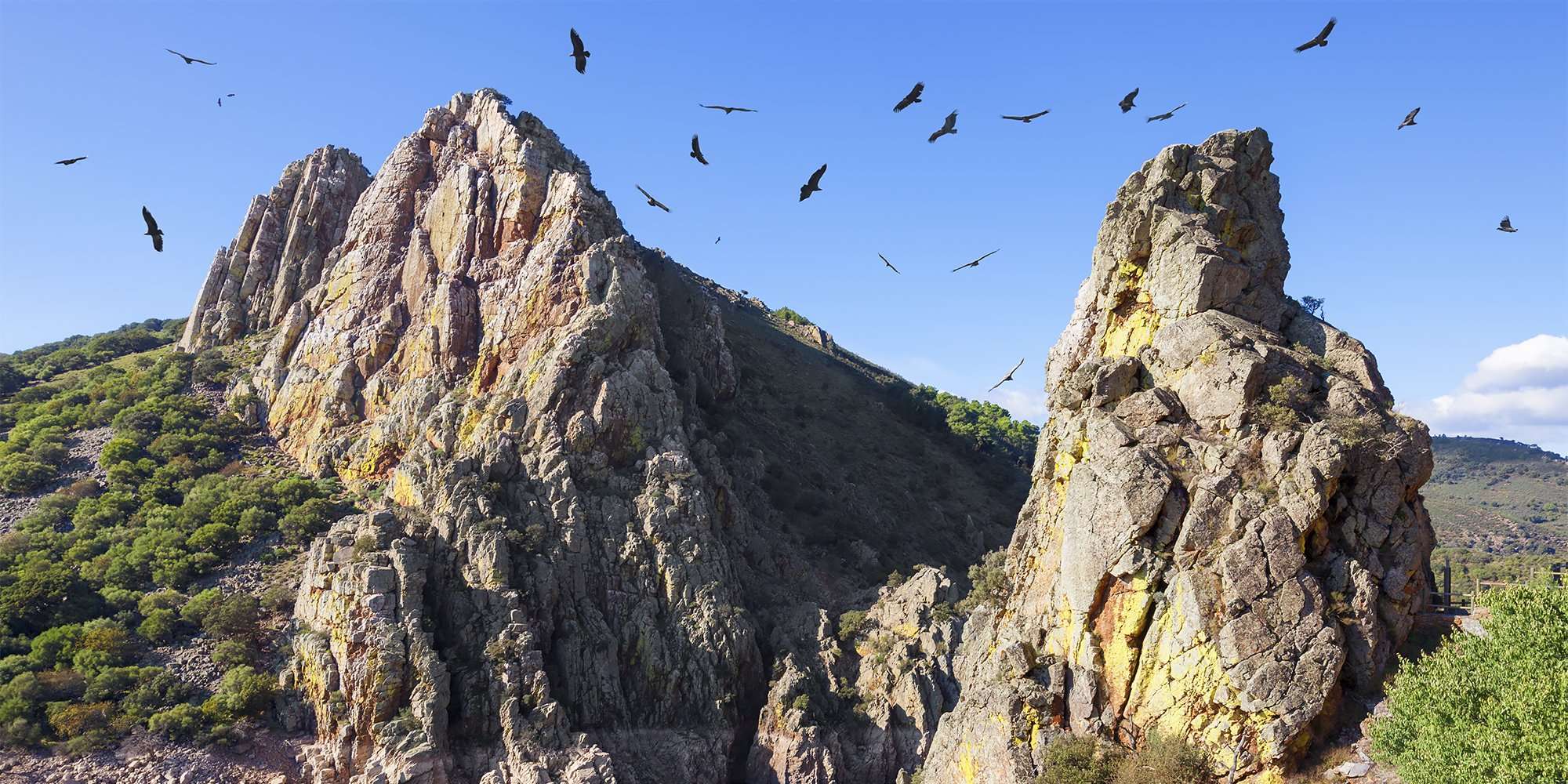
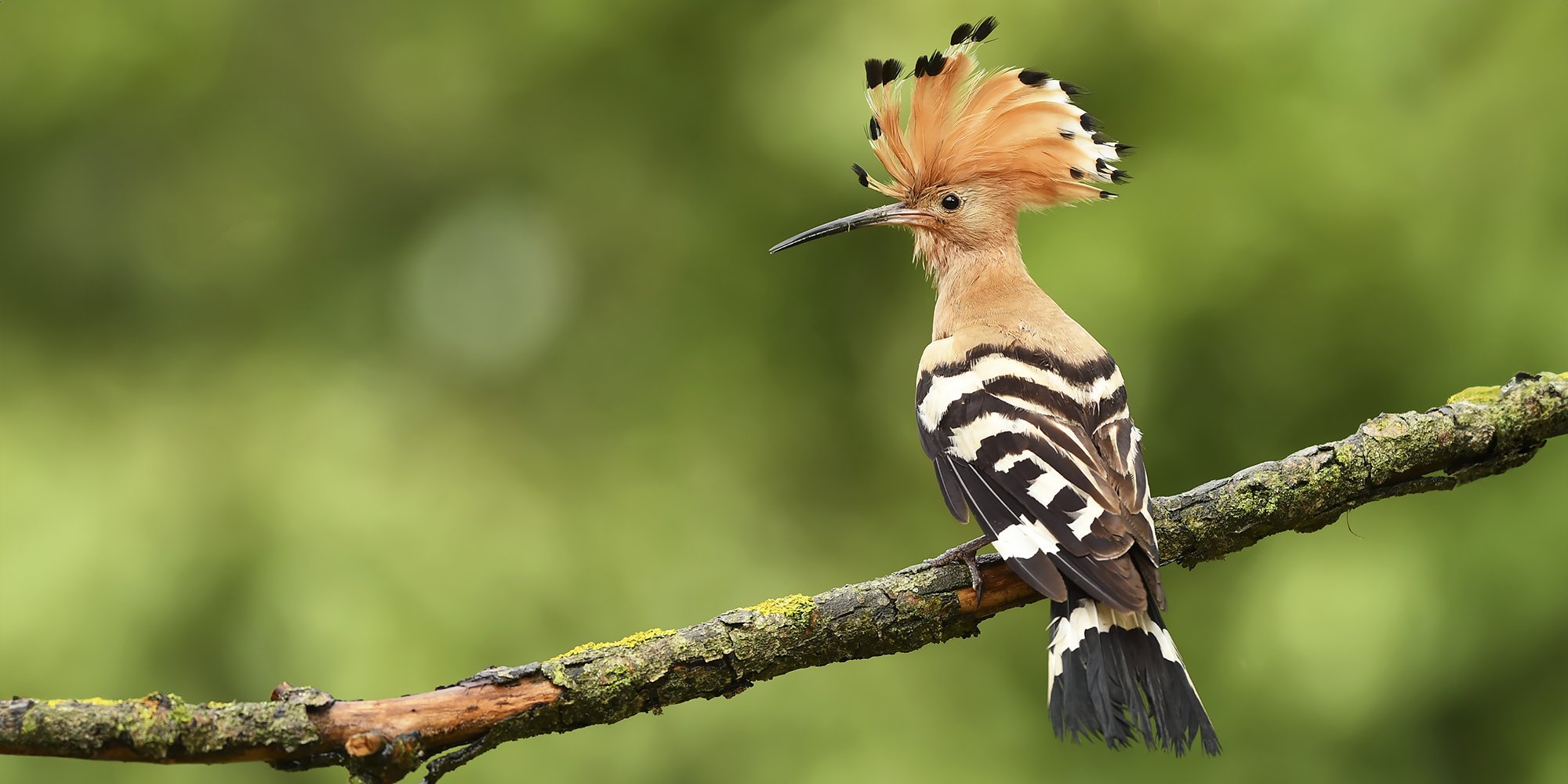
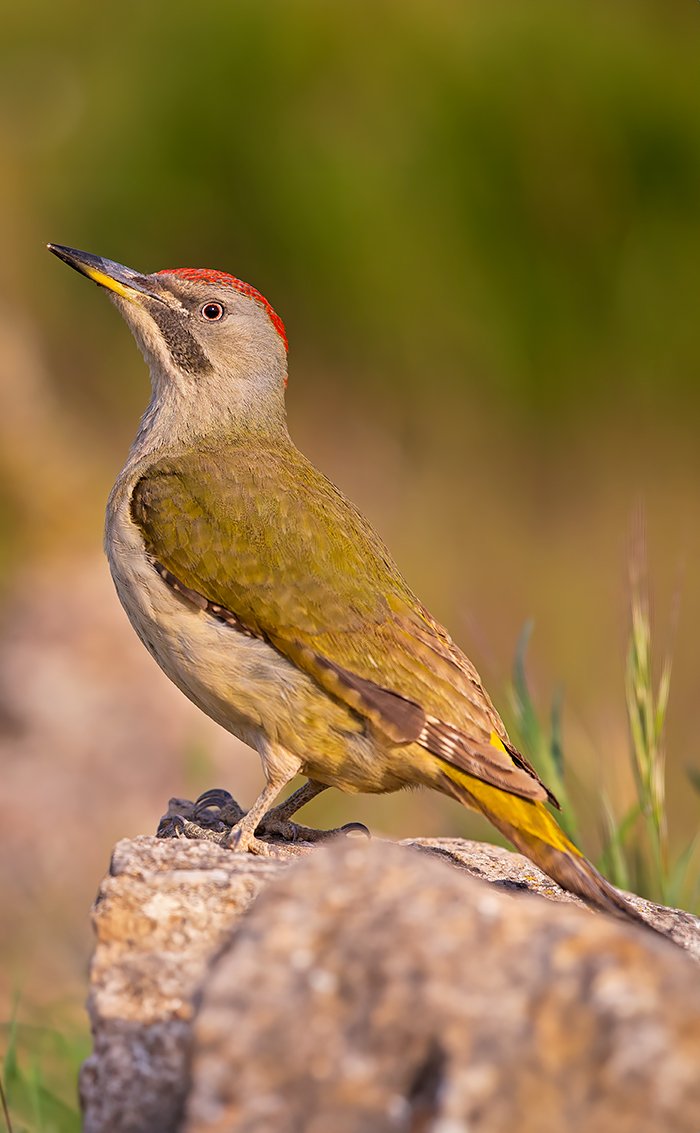
Few places in Europe are as full of wildlife and natural wonders as Spain. The vast Iberian Peninsula has a great diversity of habitats, from oak woodlands and sweeping grasslands to teeming river deltas, parched deserts, and craggy mountain peaks. Spain is home to over 400 bird species, including residents and African migrants. Old-world vultures share the skies with numerous raptors, including the Spanish Imperial Eagle. Some special birds like the Iberian Magpie live only here.
Spain is also rich in other fascinating wildlife. It’s possible to see Iberian Ibex in the mountains and, with luck, spot the rare Iberian Lynx. Delightful reptiles, amphibians, and butterflies are abundant across the country.
Join Wild Latitudes as we explore the southern regions of Andalucía and Extremadura in spring, from Seville and the Strait of Gibraltar to Granada and Madrid. You’ll have rich experiences in Spain's beautiful natural areas and countryside. Birds will be a major focus, but you’ll also have a great opportunity to learn about the overall natural history of Spain, including its geology, plants, and wildlife.
We’ll delve into some wonderful cultural highlights along the way, such as medieval castles, Moorish palaces, flamenco performers, Spanish wine, tapas, and other culinary specialties. You’ll come away from this trip with a deeper understanding of Spain’s long human history in addition to its natural diversity.
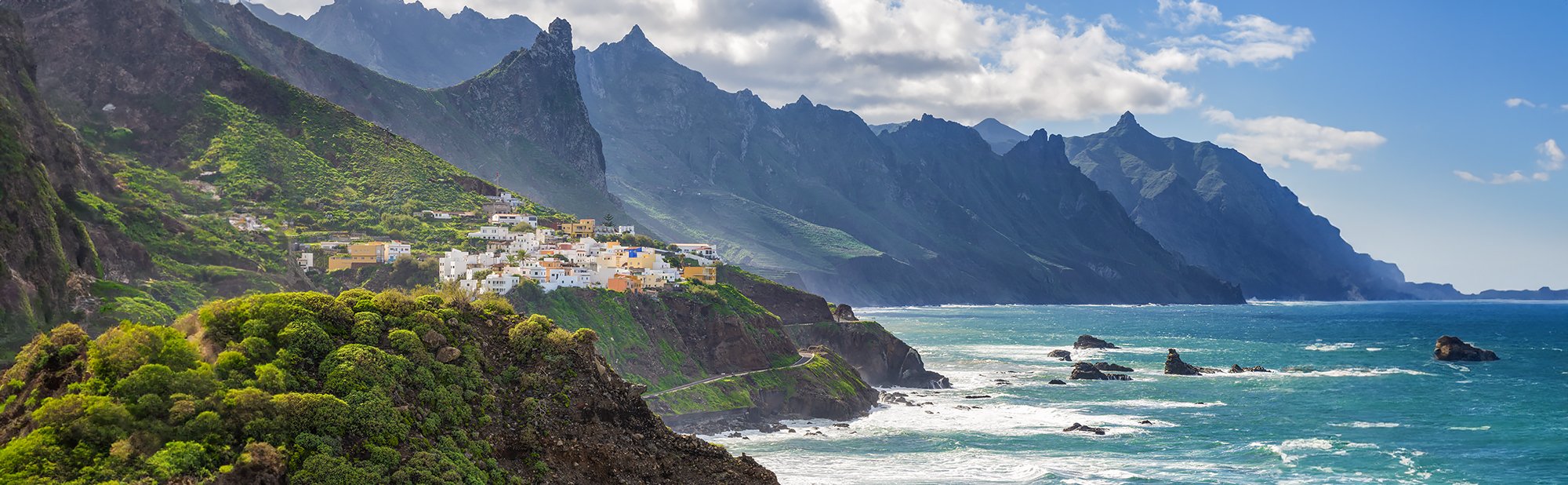
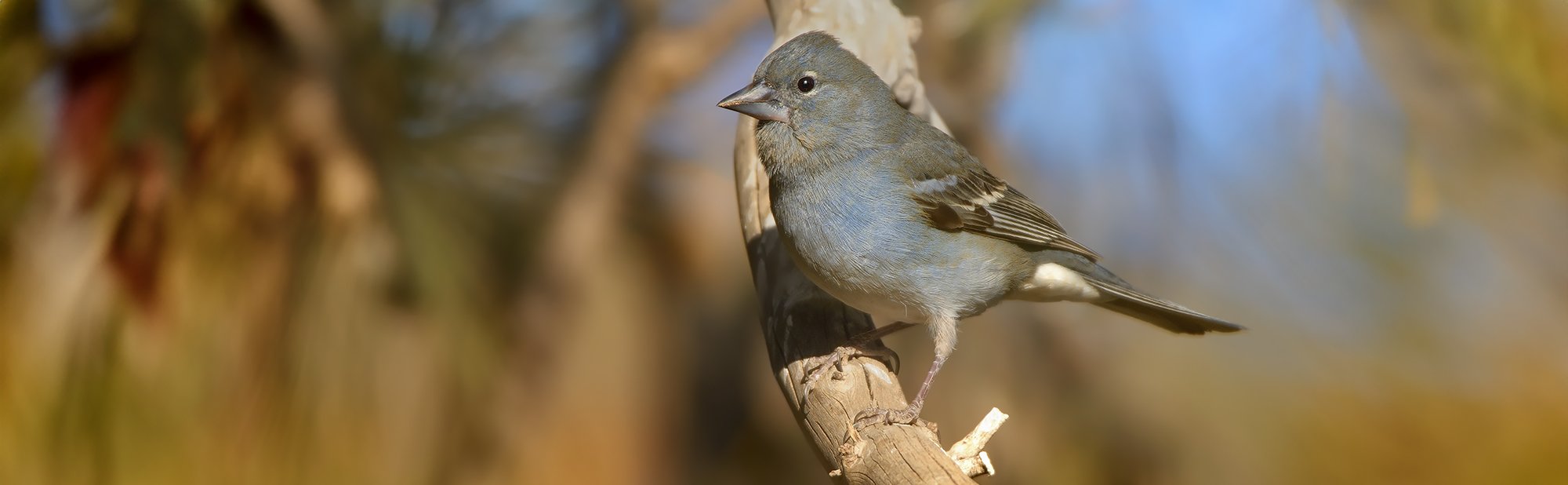
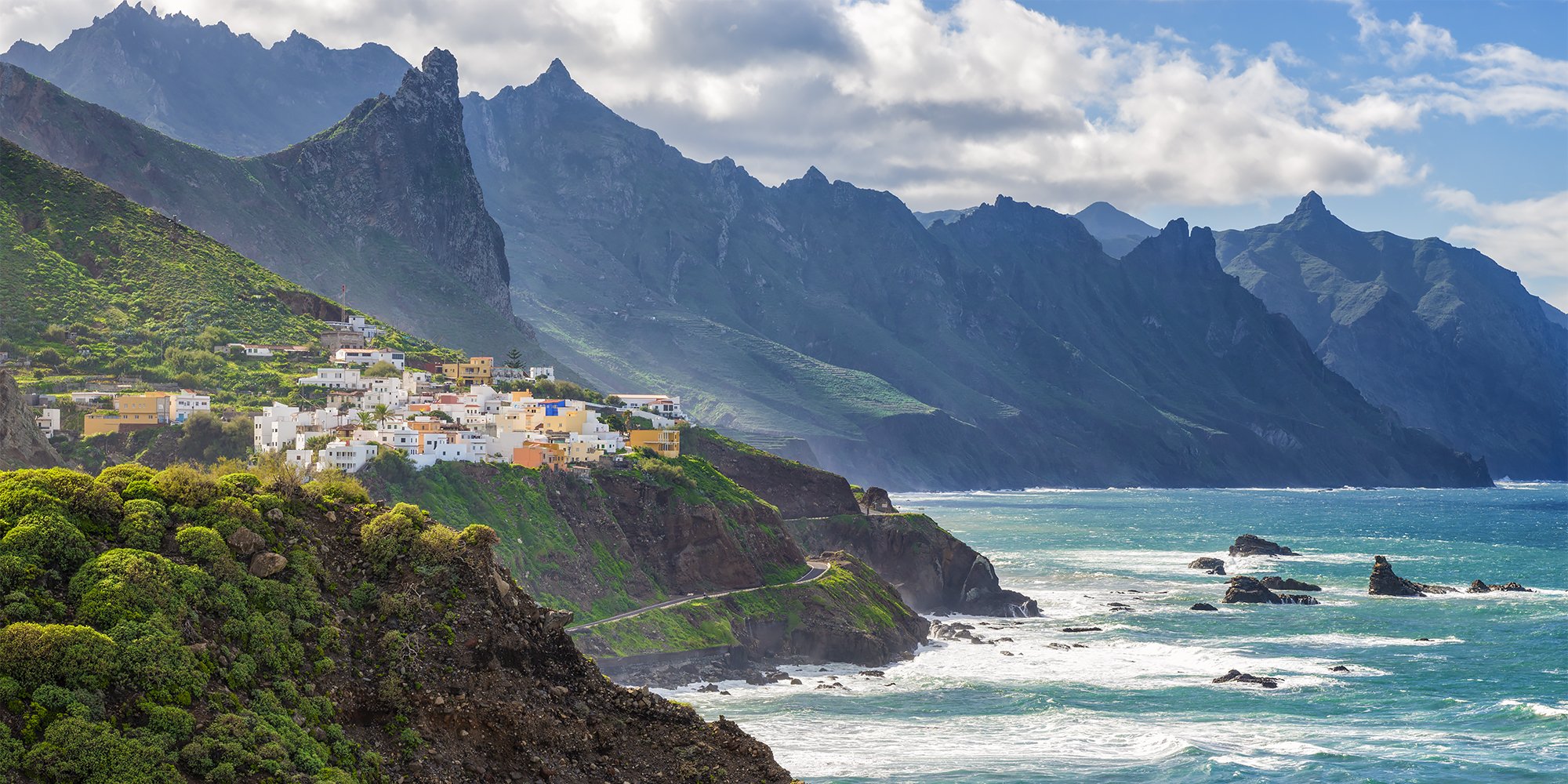
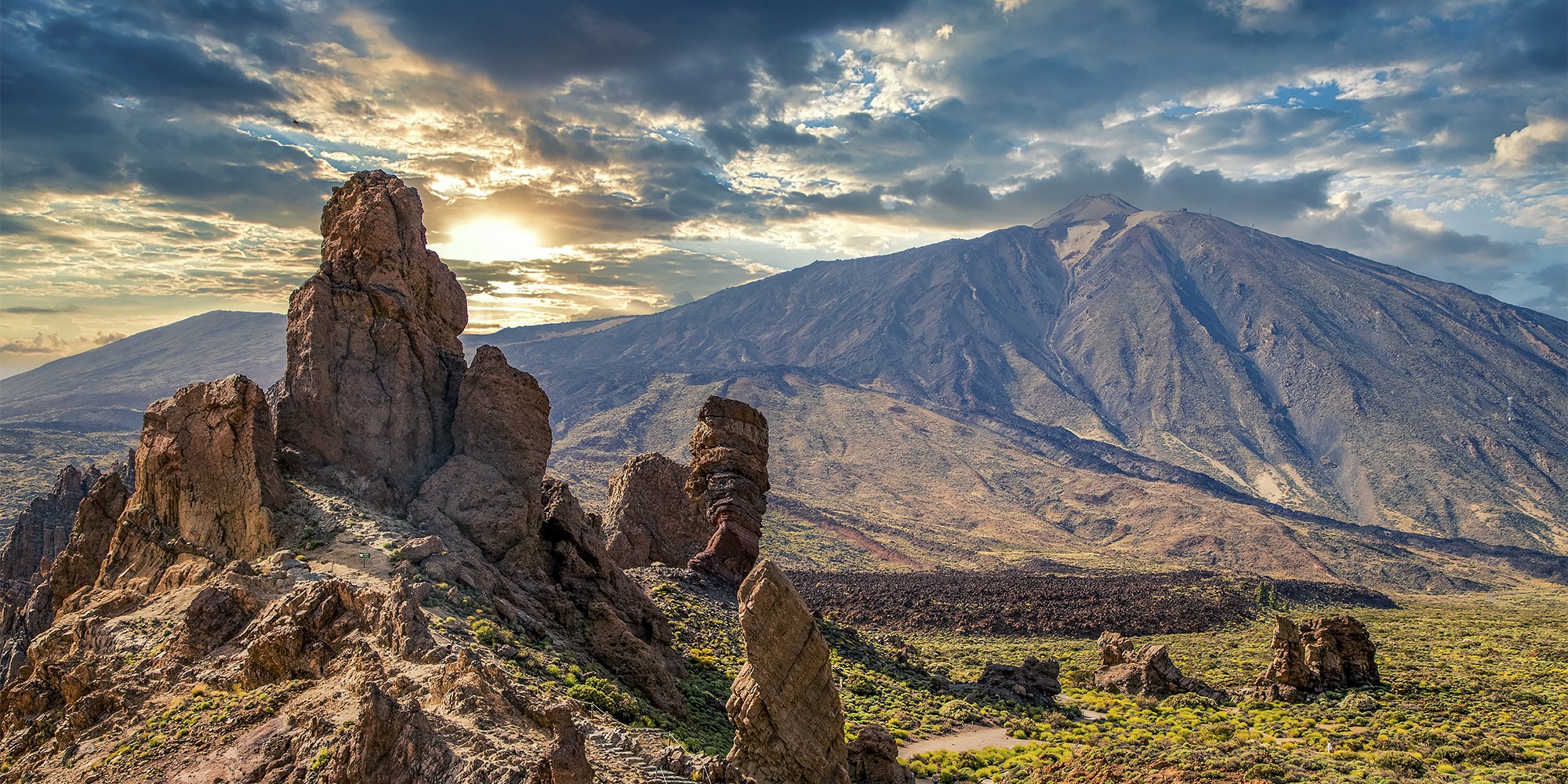
EXTENSION TRIP TO THE CANARY ISLANDS: Continue your travels with Wild Latitudes to the biologically unique Canary Islands! On this 7-day extension well off the beaten path, we will visit two of the islands: Tenerife and Fuerteventura. Their environments are wildly different, despite their proximity. The first part of our trip will be an exploration of Tenerife, with its lush forests and towering volcanic mountains. Here we will look for four of the six birds that are endemic to the Canary Islands: Bolle’s Pigeon, Laurel Pigeon, Canary Islands Chiffchaff, and Tenerife Blue Chaffinch. Later, we will move to the desert island of Fuerteventura, which lies only 60 miles off the coast of Africa—a stone’s throw from the great Sahara Desert. Here we will look for another endemic species, the Fuerteventura Stonechat, in addition to other special birds such as the Houbara Bustard, African Blue Tit, and the charismatic Trumpeter Finch. We hope you’ll join us on this once-in-a-lifetime chance to take the road less traveled… to explore this Spanish, subtropical archipelago, known as The Canary Islands.
Tour Highlights
Explore Doñana National Park, one of Europe’s premier wetlands and the staging grounds for thousands of migrant birds.
Look for the elusive Iberian Lynx, one of the rarest wildcats in the world.
Visit the world-famous Alhambra and take in the beautiful Moorish architecture and history of this UNESCO World Heritage Site.
Witness transcontinental migration as birds arrive to Europe from Africa across the Strait of Gibraltar.
ON THE EXTENSION: Search for the unique bird life of the Canary Islands, especially the five endemic species found on Tenerife and Fuerteventura.
ON THE EXTENSION: Experience the diverse habitats of the Canary Islands, including forests, deserts, mountains, and beaches.
Itinerary at a Glance
Day 1
Arrive in Seville and make the drive to the city of Córdoba, where we will visit the Mezquita-Catedral, a mosque with a fascinating blend of ancient Islamic and Catholic architecture. We will get to our hotel early enough to have time to rest up in the afternoon.
Day 2
We’ll spend the whole day exploring the scenic hills of Sierra de Andújar. Here we hope to find two of the most iconic animals of the Iberian Peninsula—the Spanish Eagle and Iberian Lynx, one of the most endangered wildcats in the world.
Day 3
Today we’ll stop at a few birding locations as we make our way south to the city of Granada. In the afternoon, we’ll venture into the city’s old Jewish quarter, the Albayzín. We’ll finish off the evening with a pleasant dinner followed by a traditional flamenco performance.
Day 4
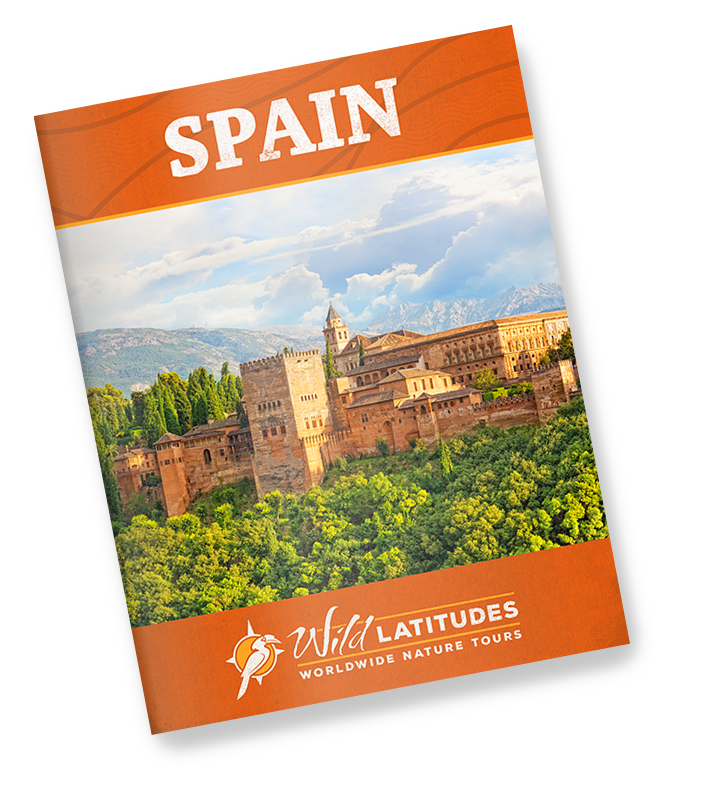
We will spend the morning taking in the beauty of the world-renowned Alhambra. This fortified palace is one of the most famous and well-preserved examples of Islamic architecture and was the last holdout of Moorish culture in Spain. Later in the day, we will head to Tarifa in the southern tip of Spain, stopping on the way to overlook the Rock of Gibraltar.
Day 5
We will spend the day birding mixed habitats around Tarifa, where we will have a strong chance of seeing migrant birds arriving from Africa across the Strait of Gibraltar. We will also visit the ruins of the ancient Roman village of Baelo Claudia, where we can learn about Roman culture in Spain.
Day 6
In the morning, we will visit Los Alcornocales, low mountains with some very interesting plants and diverse wildlife. We’ll then head to Dehesa de Abajo, an open area surrounding a lagoon that should be filled with birds and beautiful spring wildflowers. Our lodge will be on the west side of Seville in another location where Iberian Lynx are occasionally seen.
Day 7
We will spend the day birding nearby Doñana National Park, one of Europe’s most important staging areas for migratory wetland birds.
Day 8
Today we will travel north into the autonomous region of Extremadura. We will make several stops along the way, including at the Roman bridge of Mérida, before reaching our hotel on the outskirts of Monfragüe National Park.
Day 9
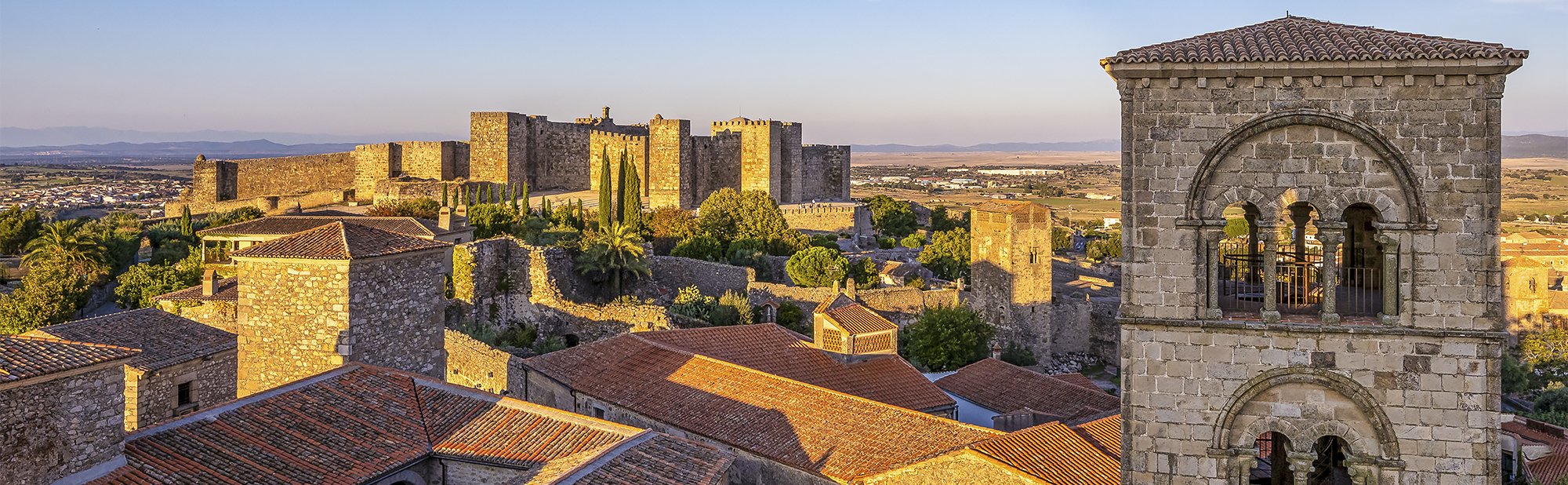
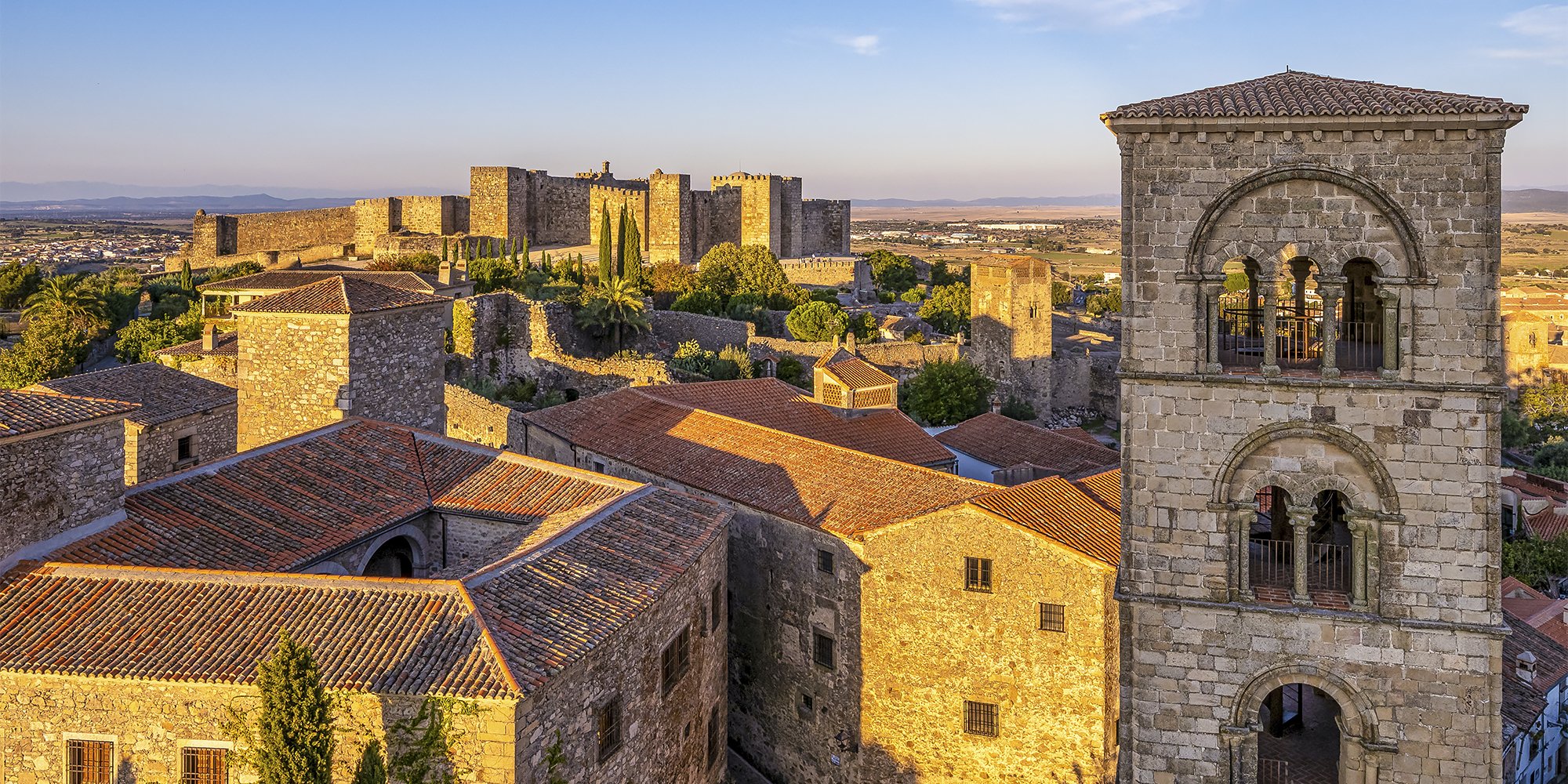
We’ll head for the Santa Marta Plains in the morning, where we will look for steppe-habitat specialists such as Great and Little Bustards and Pin-tailed Sandgrouse. In the afternoon, we will visit the historic village of Trujillo, where we will have time to shop in the town square.
Day 10
Today we will have all day to enjoy Monfragüe National Park. The gorgeous wooded hills here are home to numerous birds, including Blue Rock Thrush, Bonelli’s Eagle, and many more.
Day 11
We will head up into the taller mountains of the Sierra de Gredos, making some birding stops along the way. As we gain elevation, we may see Iberian Ibex along the road. We will get to our hotel by mid-afternoon and will do some birding nearby before dinner.
Day 12
In the morning, we will drive up to the peak of La Plataforma, around 6,000 feet above sea level. This unique, high-altitude habitat will give us a chance to see some new species, including the White-throated Dipper. We will make our way to Madrid in the afternoon, where we will enjoy our final dinner together as a group.
Day 13
We’ll have one last breakfast together before we head to the airport. From here, you can catch a flight home, continue your travels in another part of Spain, or join us on the extension to the Canary Islands!
Canary Islands Extension Itinerary
Day 1
We’ll arrive on the island of Tenerife from Madrid and make our way to our hotel. If there is time, we will do some birding around the hotel before having dinner.
Day 2
We’ll explore the foothills and mountain of western Tenerife, including Monte del Agua and Teno Rural Park. Here, we will search for two of the tougher endemics to find in the Canary Islands, Bolle’s Pigeon and Laurel Pigeon.
Day 3
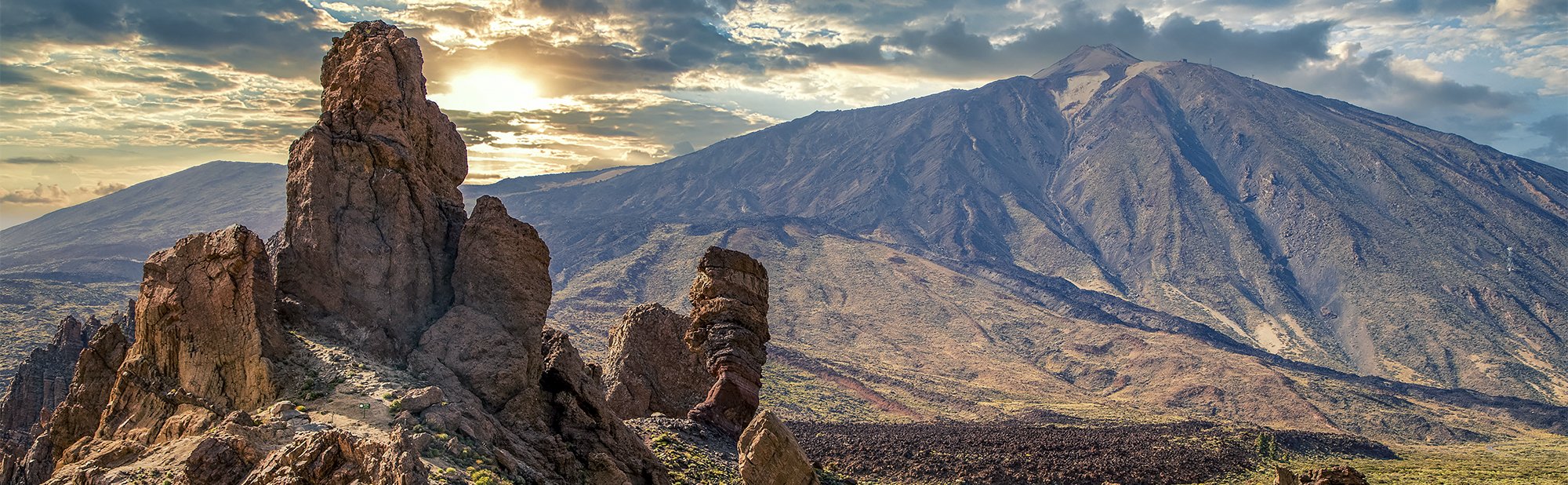
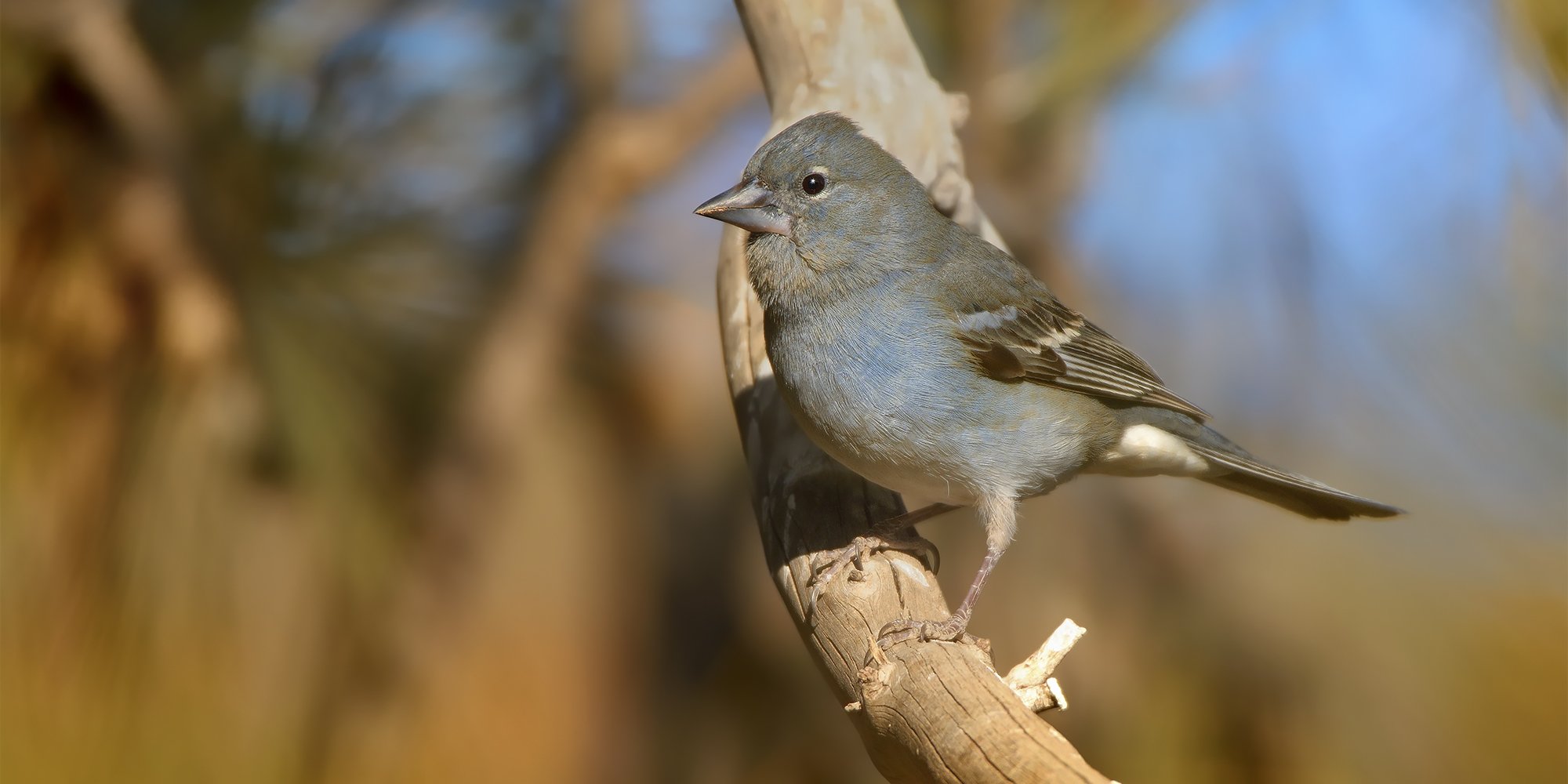
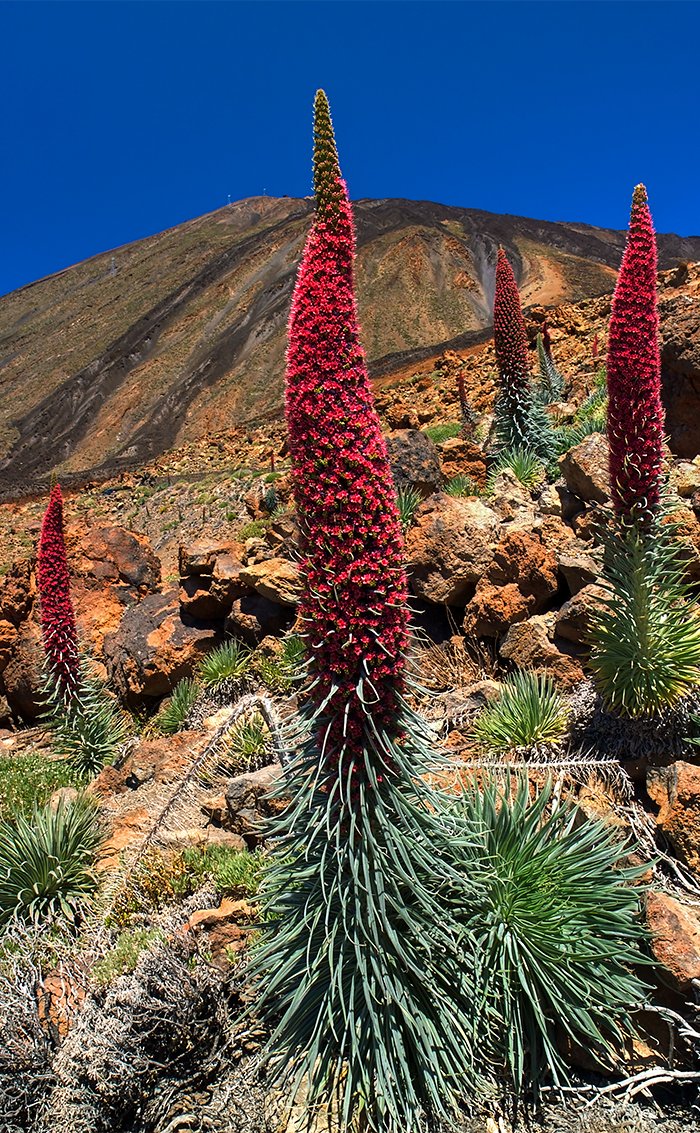
We will enjoy the beautiful scenery as we drive around El Teide, the highest peak in Spain at over 12,000 feet. We will bird in tracts of Canarian Pines looking for local specialties, including the endemic Tenerife Blue Chaffinch.
Day 4
We’ll have time for some more local birding in the morning before making the flight to our second island, Fuerteventura. This afternoon we will visit the coastal town of El Cotillo, where we will have our first opportunities to see a mixture of desert species.
Day 5
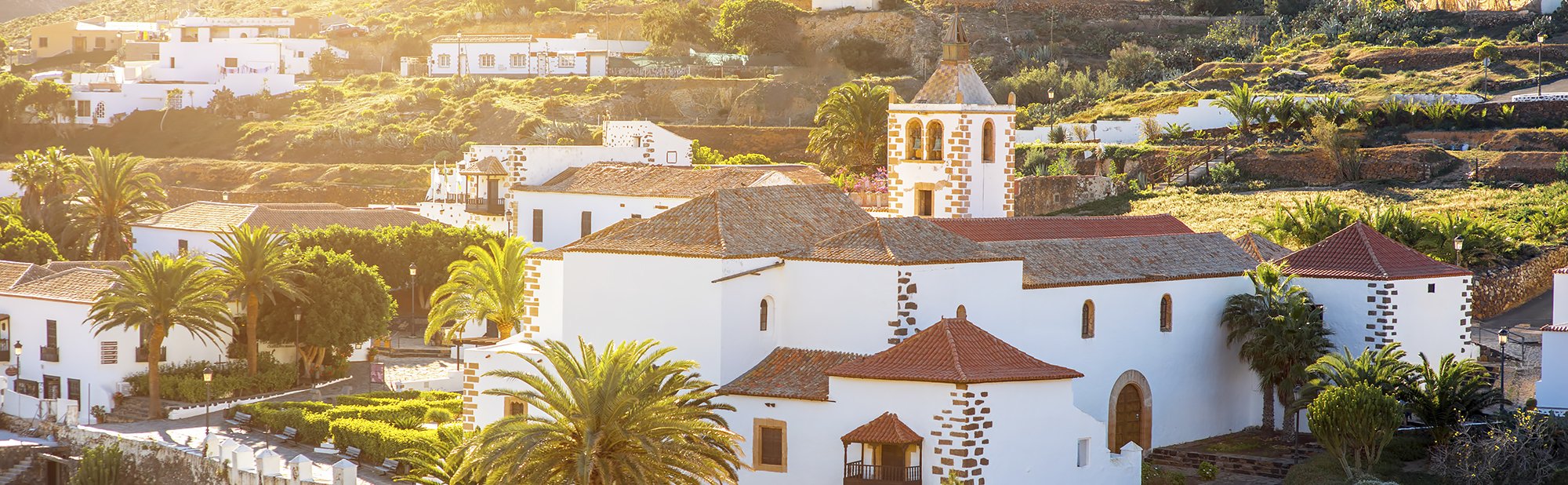
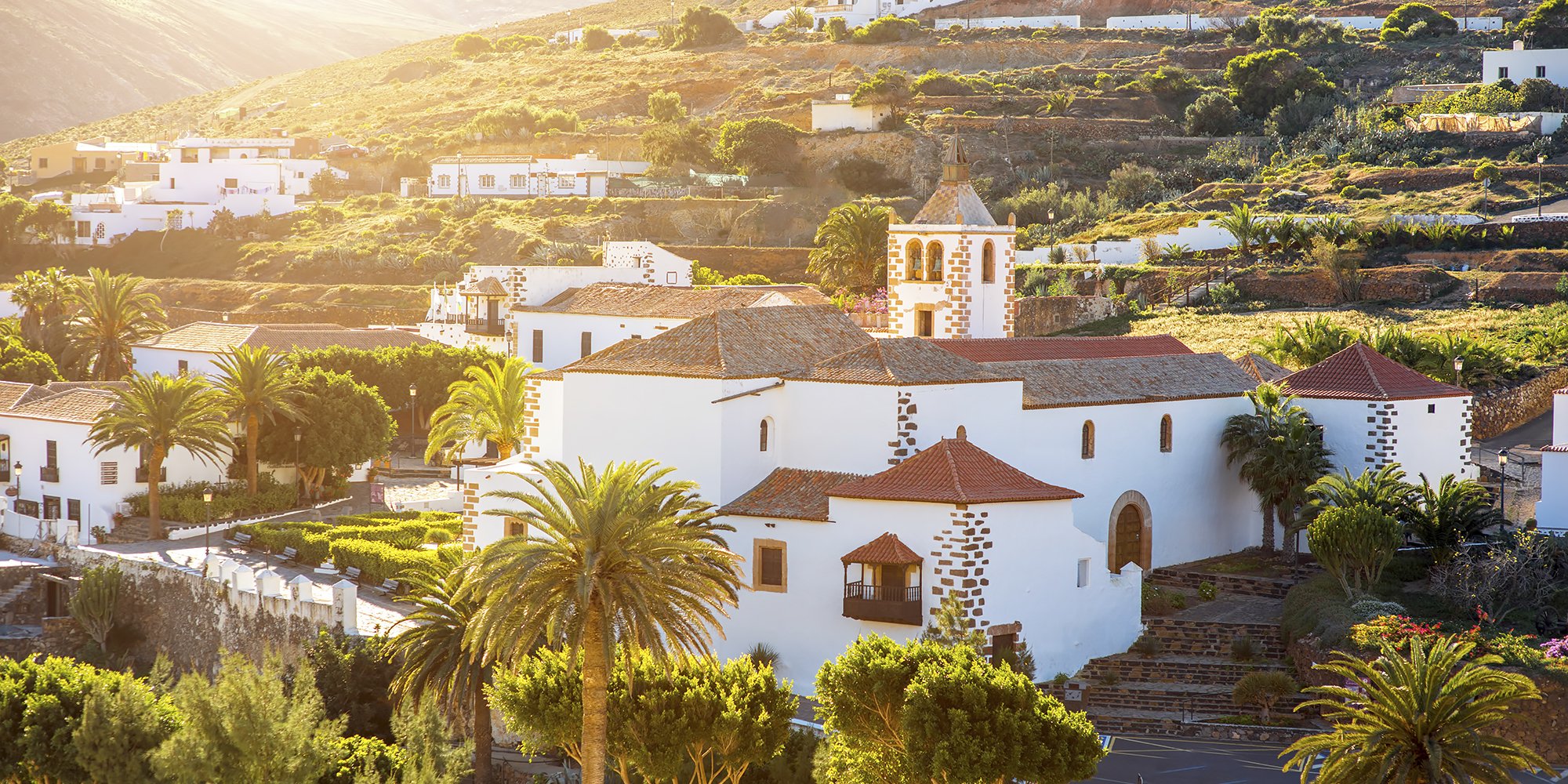
Today we will visit a series of ponds and reservoirs throughout the island, all of which should offer great birding opportunities. We will also visit the historic and charming town of Betancuria, the oldest town in the Canary Islands.
Day 6
We will explore the southern part of the island, visiting a variety of sites including beaches, ponds, and salt pans. We should have a good chance of seeing the Fuerteventura Stonechat, endemic to only this island, and a variety of other species.
Day 7
We’ll enjoy one last morning of birding on Fuerteventura before we head to the airport and say our farewells.

PRICE of MAIN TOUR: $5,595
PRICE of EXTENSION: $2,695
START DATE: April 1, 2025
DURATION: 13 days (+7 for Extension)
GROUP SIZE: Up to 11
TRIP FOCUS: Birds, Wildlife, and Culture
WHAT'S INCLUDED
- Double-occupancy lodging
- Ground transportation
- Breakfasts and lunches
- Excursions and park fees
- Guiding services
YOUR GUIDES

Chris Payne grew up in rural Pennsylvania with two naturalists for parents, so he has been immersed in the natural world his entire life. Once he discovered the world of birds, he was hooked. After graduating with a degree in biology, he pieced together bird-related field work for several years before returning to school to work on an M.S. in biology. Leading nature tours is the best of both worlds for Chris: getting to work in nature surrounded by birds, but more importantly, getting to share that passion with others.

Rebecca Payne has always been avidly curious about the natural world. What started out as exploring the backyard of her childhood home led to an interest in exotic animals. While completing her B.A. in Zoo and Wildlife Biology, she was surrounded by teachers and mentors who nurtured her love for all things birds and birding. For several years, Rebecca worked in zoos across the country as an aviculturist, participating in breeding programs for endangered species, bird shows, and public outreach. Through these experiences, she discovered that her true passion lies in teaching others and fostering meaningful connections between people and wildlife. Rebecca has enjoyed many fulfilling teaching roles, from New Jersey Audubon’s Cape May Bird Observatory, to the Vermont Institute of Natural Science, to Pennsylvania State Parks. All the while, she has had her binoculars in hand, using birds and avian ecology to bring people closer to nature.


If you love nature travel, you’re in good hands with us
Get more info by email and access to special deals
What our tour participants are saying


Latest Posts
![Patagonia Tour 2025 [Trip Report]](https://wildlatitudes.com/wp-content/uploads/Perito-Moreno-Glacier-1-900x506.jpg)
Patagonia Tour 2025 [Trip Report]
March 23, 2025![Belize 2024 [Trip Report]](https://wildlatitudes.com/wp-content/uploads/Scanning-a-temple-Tikal-Rebecca-900x506.jpg)
Belize 2024 [Trip Report]
November 28, 2022