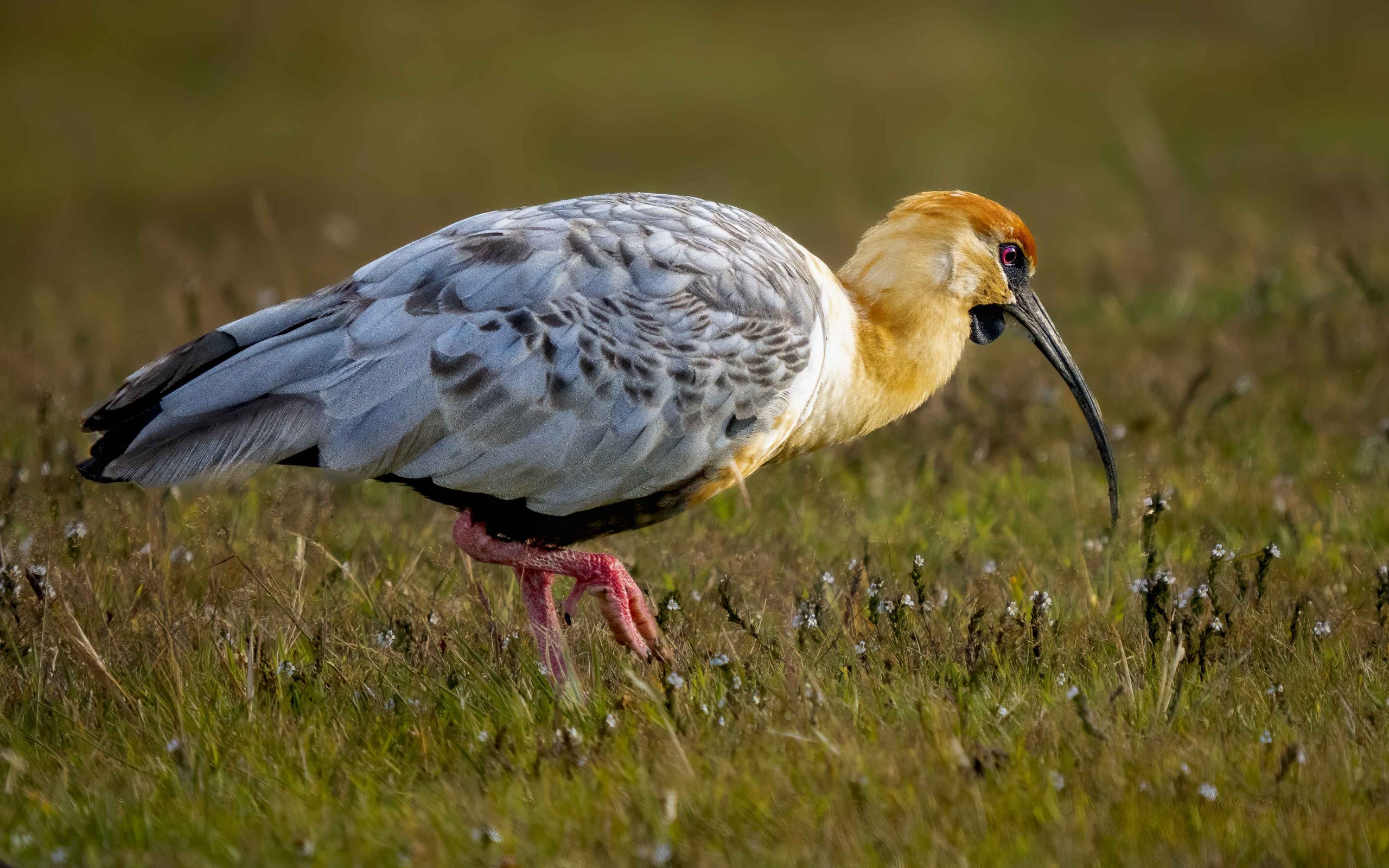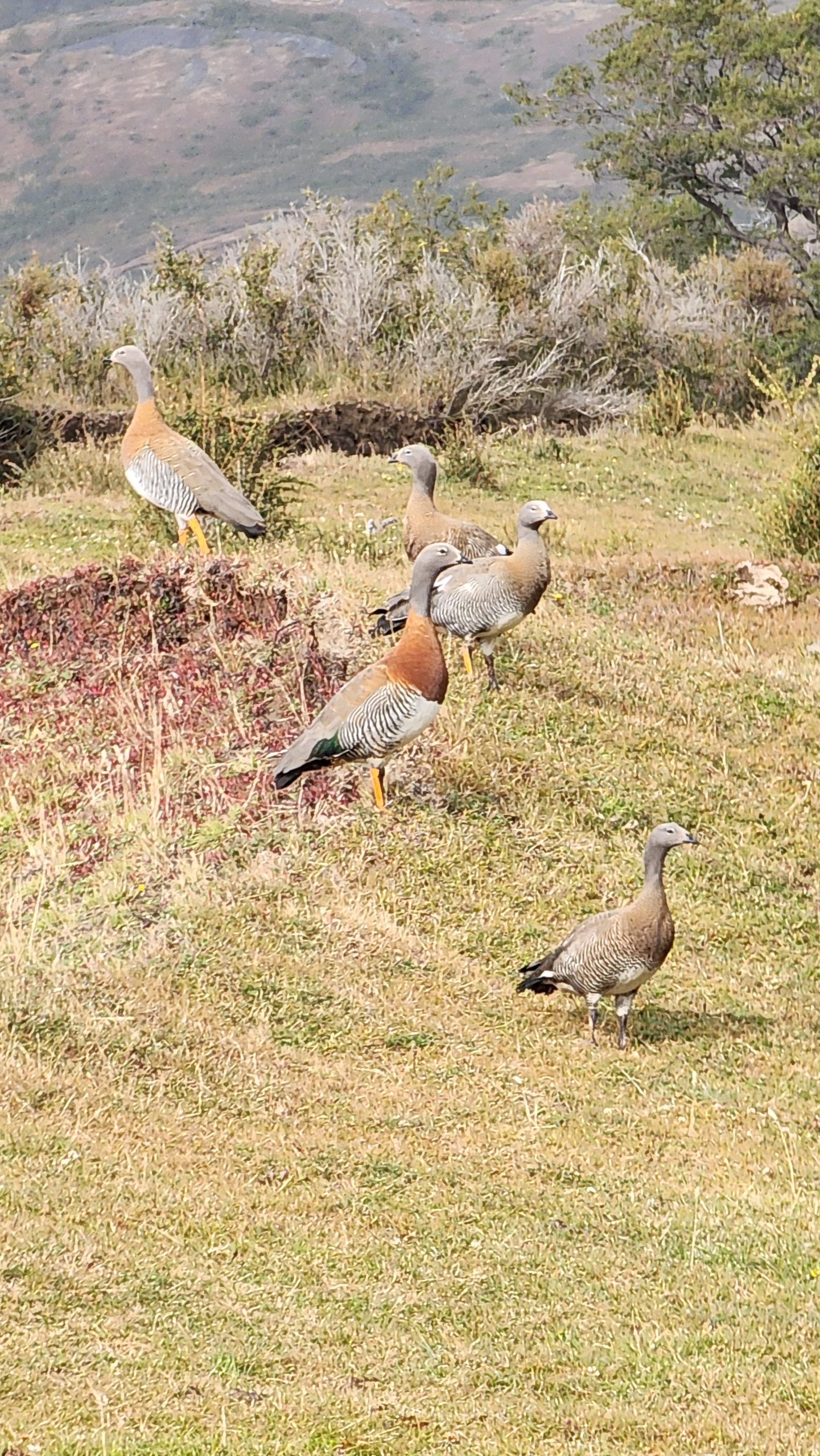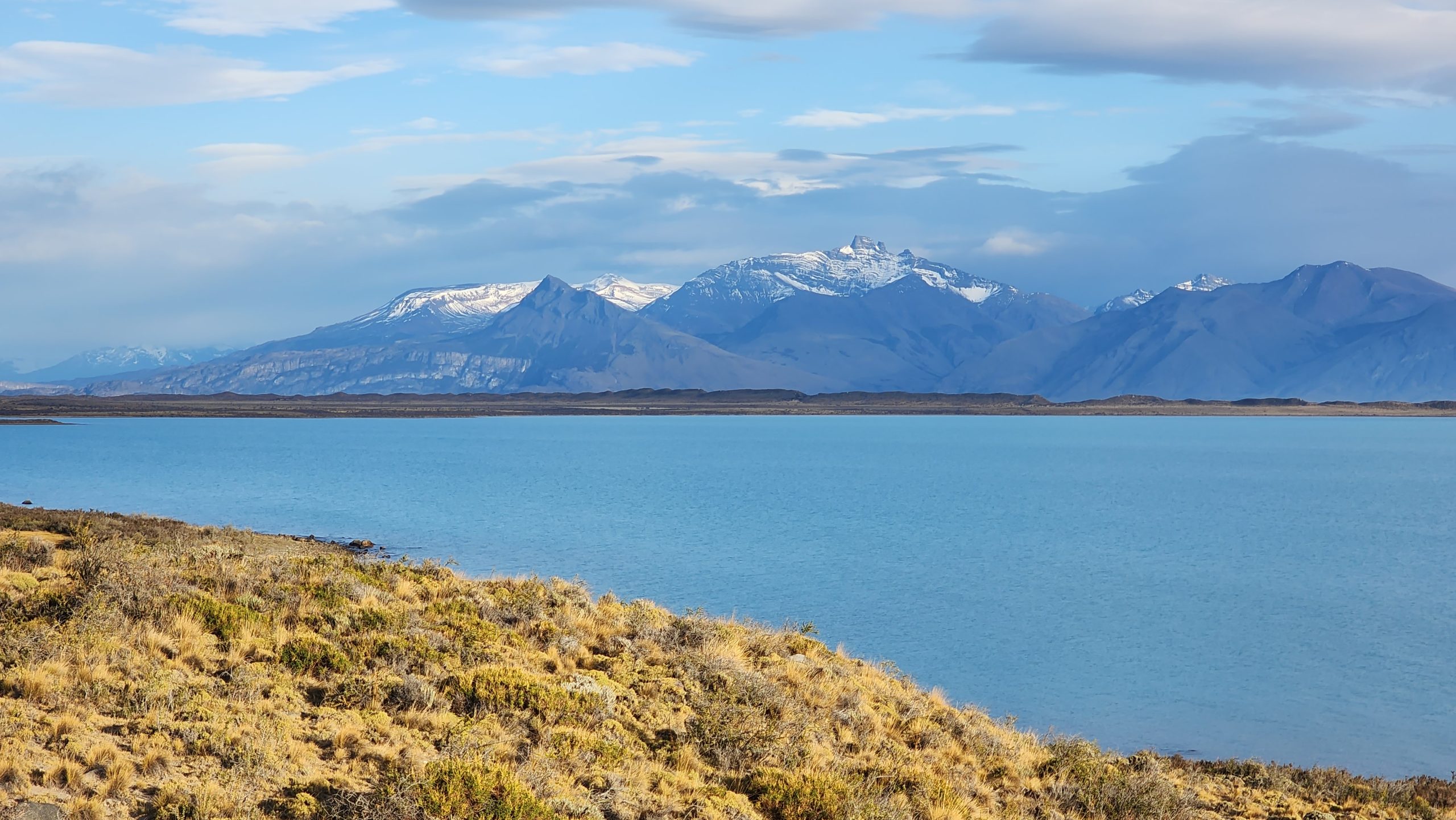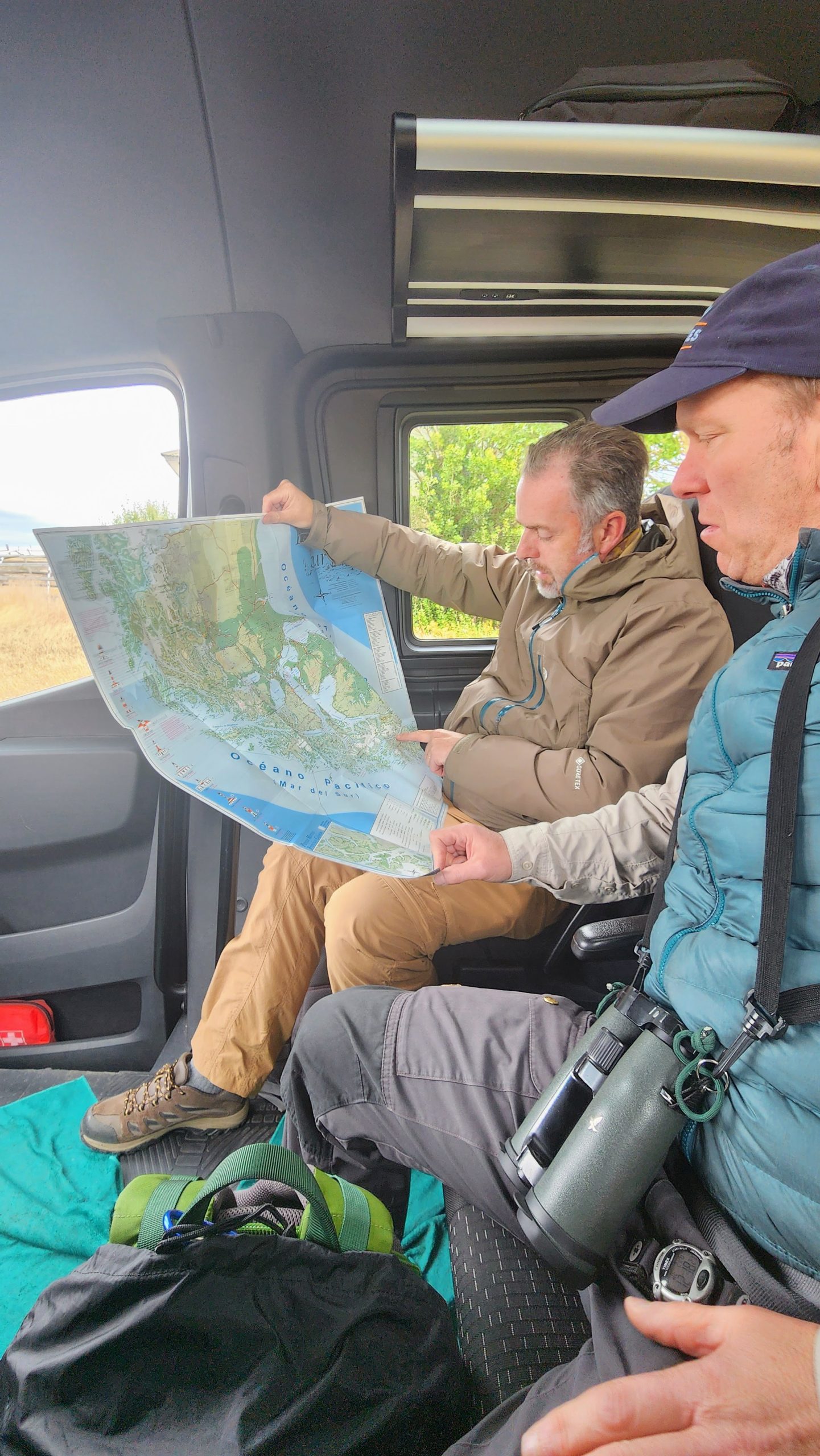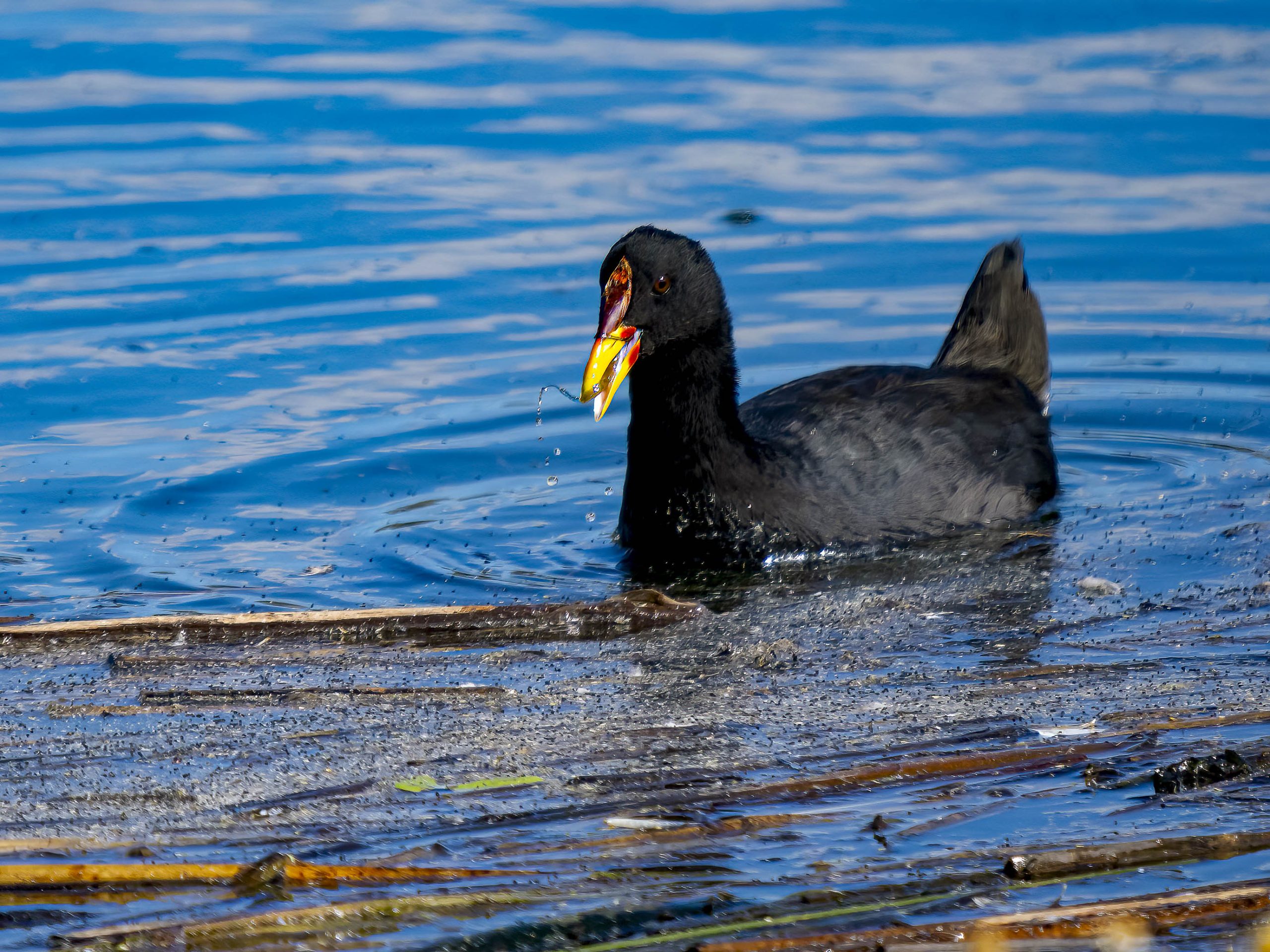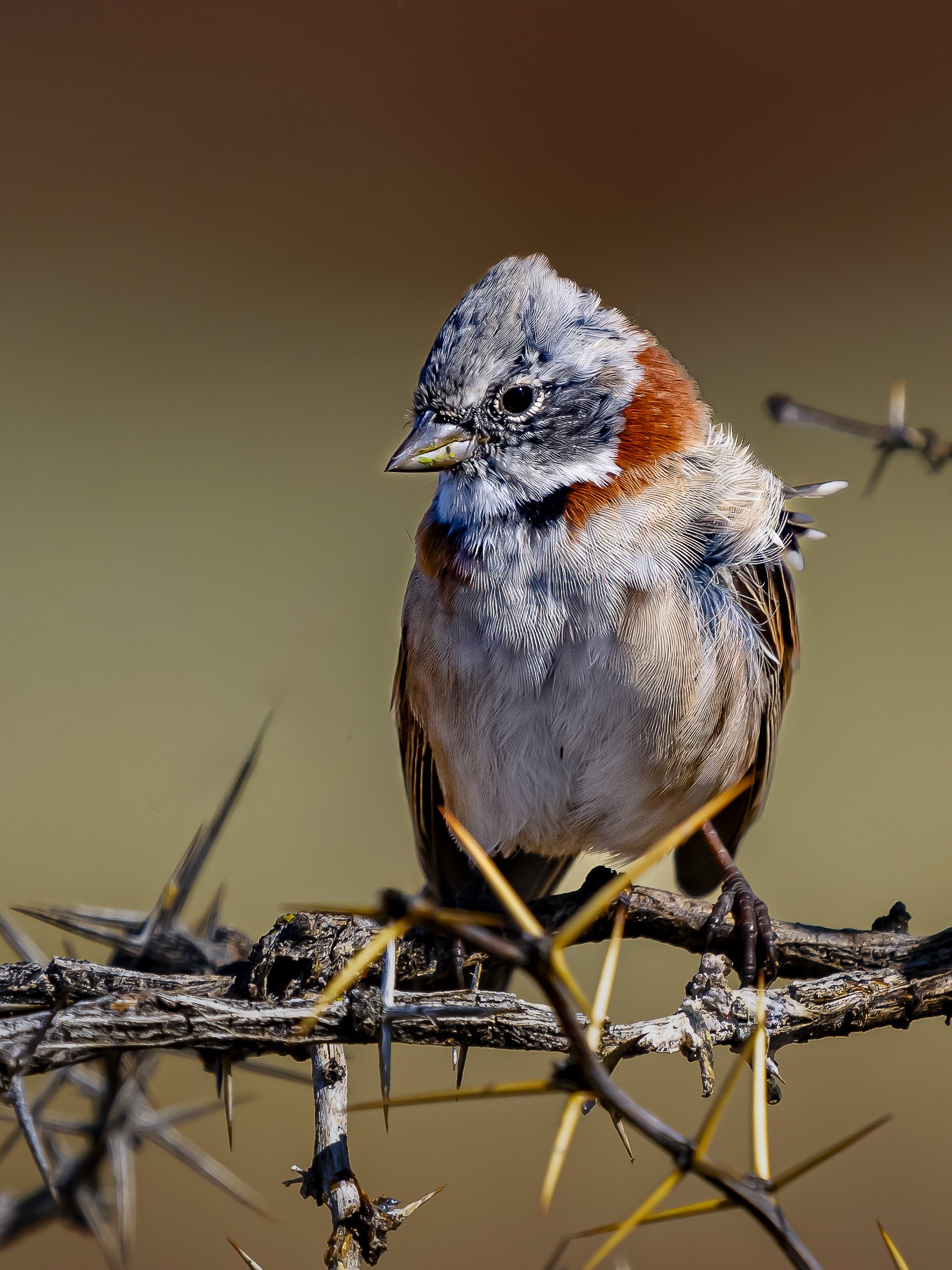

Our recent birding tour through Patagonia was a journey to the edge of the world—and it absolutely delivered. From the lush Magellanic subpolar forests of Tierra del Fuego to the windswept steppes and dramatic Andean peaks, we experienced the incredible ecological diversity of this remote region of South America. Over the course of our two-week adventure, we encountered unforgettable landscapes, rare and fascinating birds, and shared moments of awe that reminded us why we travel to wild places. Patagonia may not boast the sheer number of species found in the tropics, but what it offers is a suite of truly special wildlife, many found nowhere else on Earth.
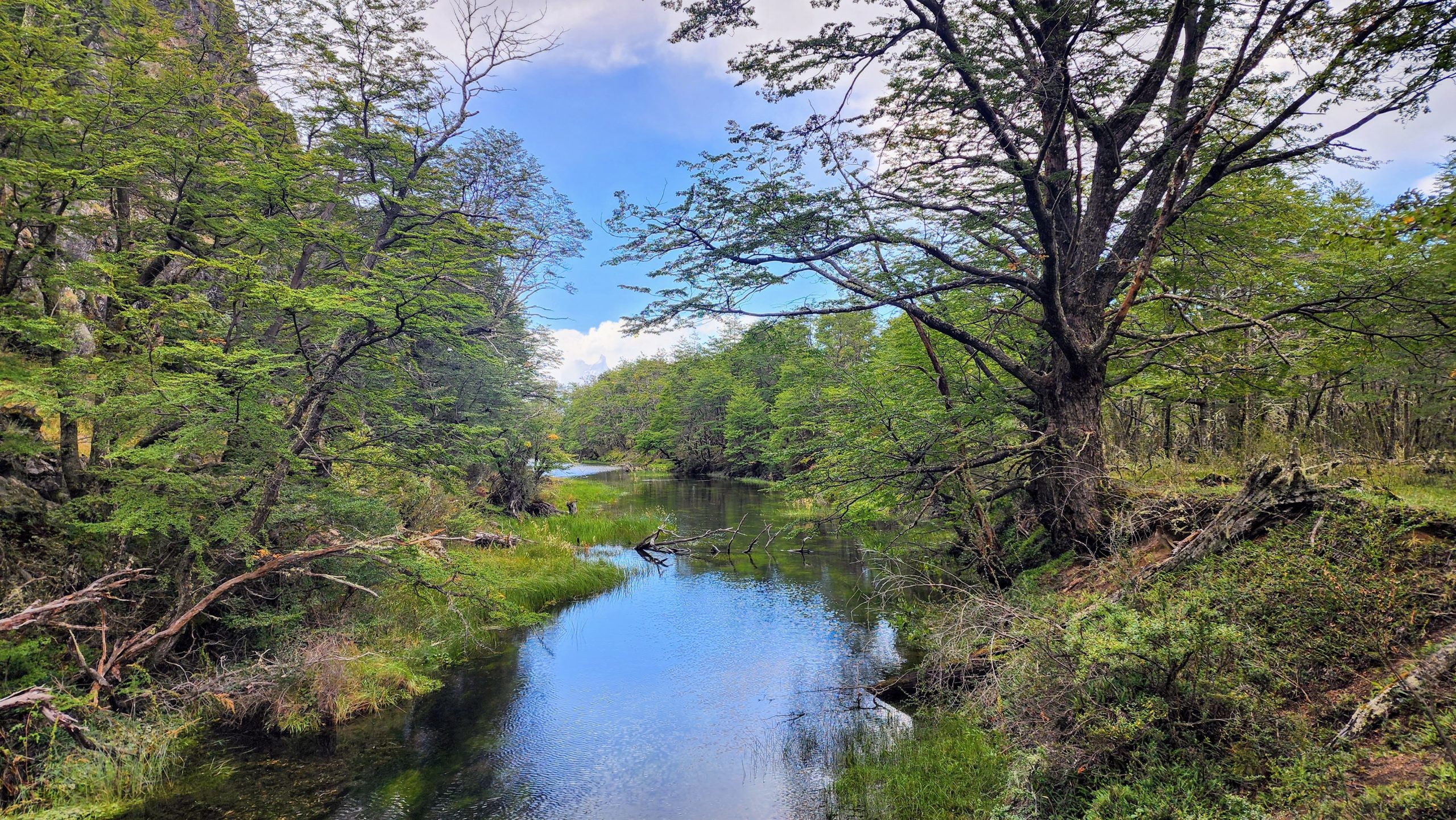
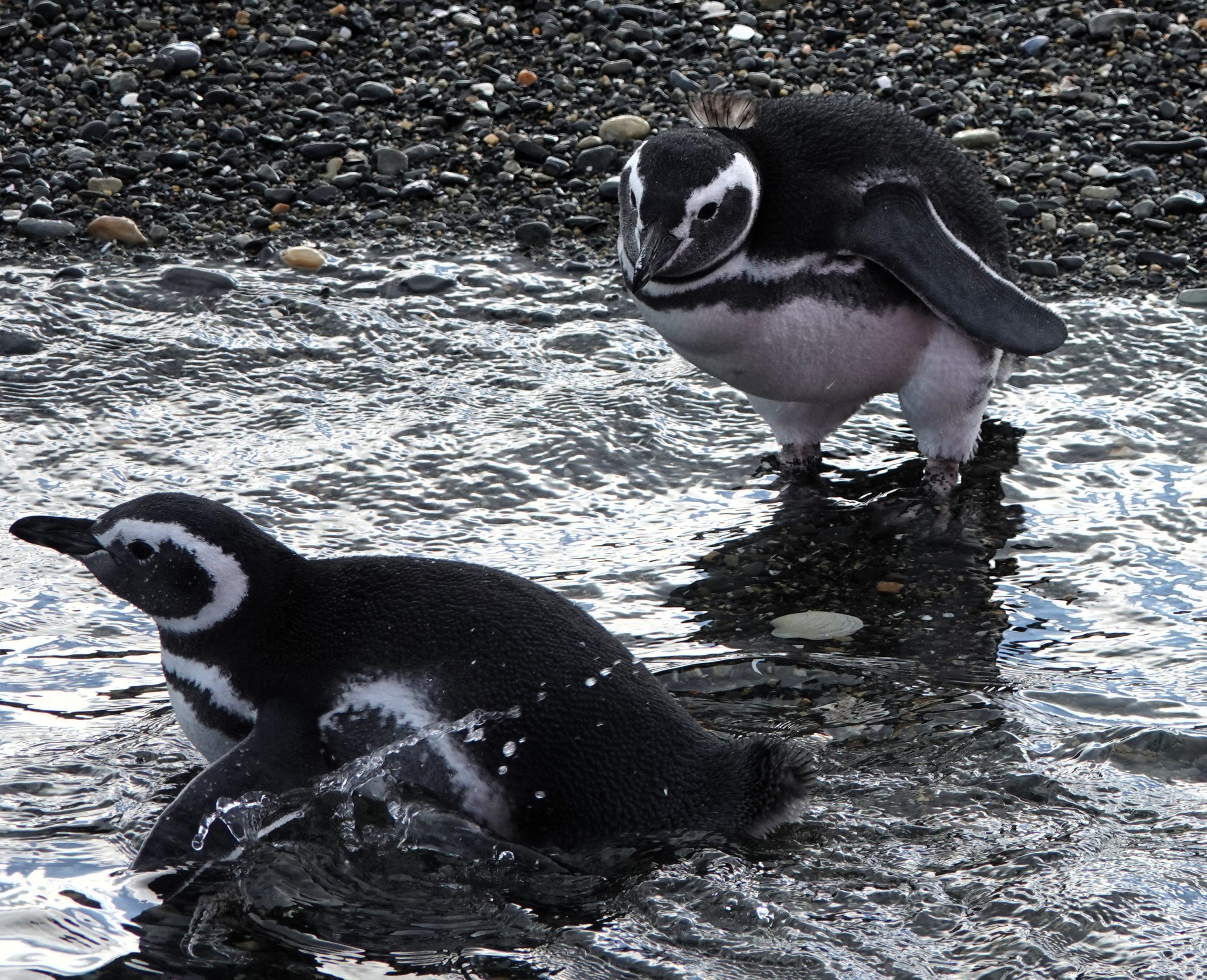
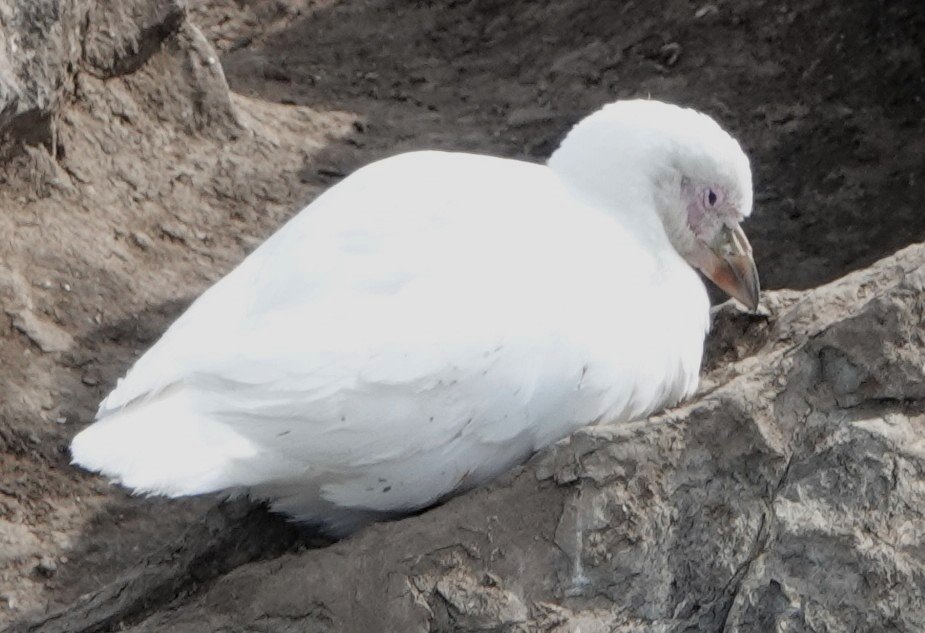
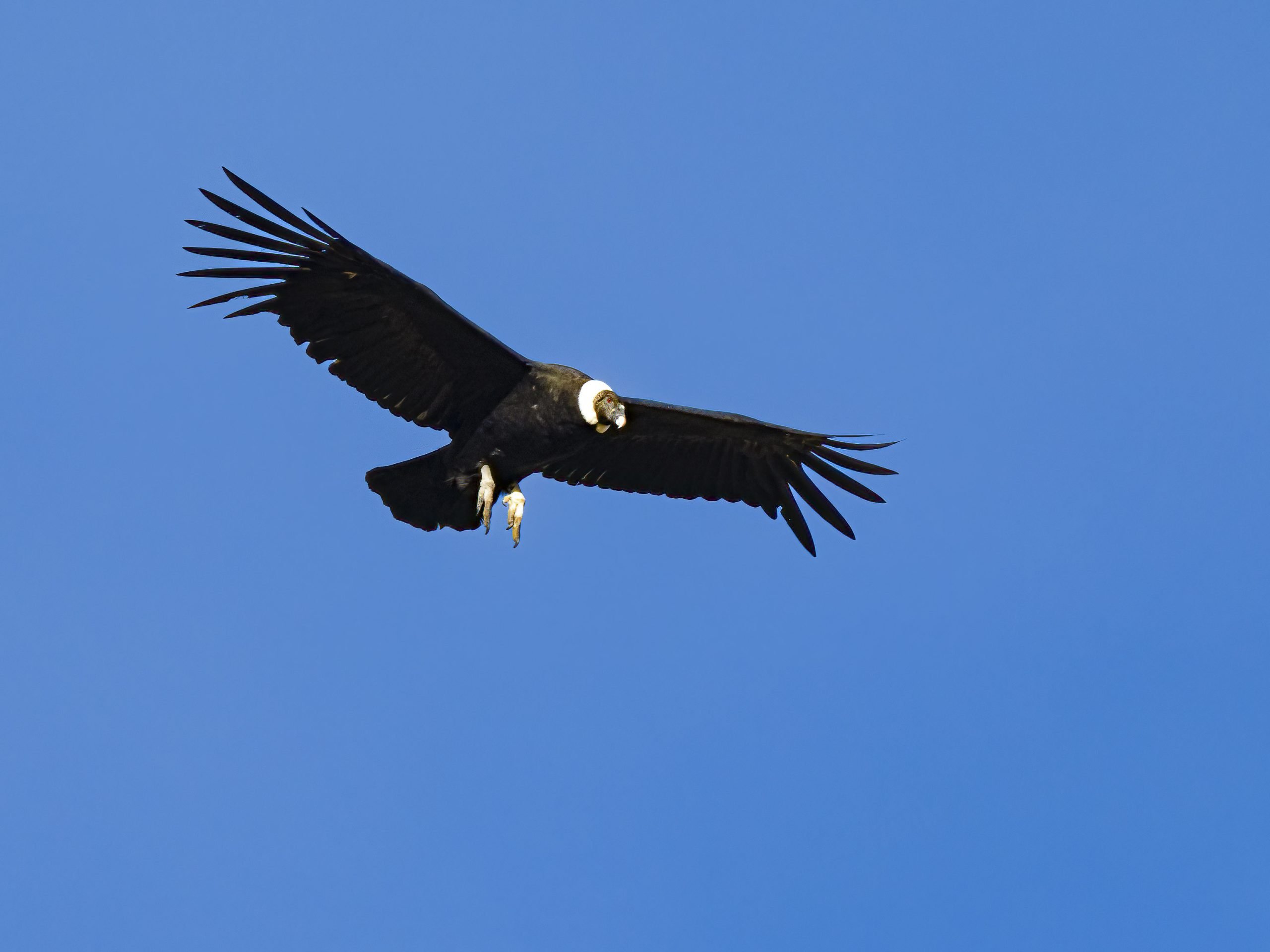
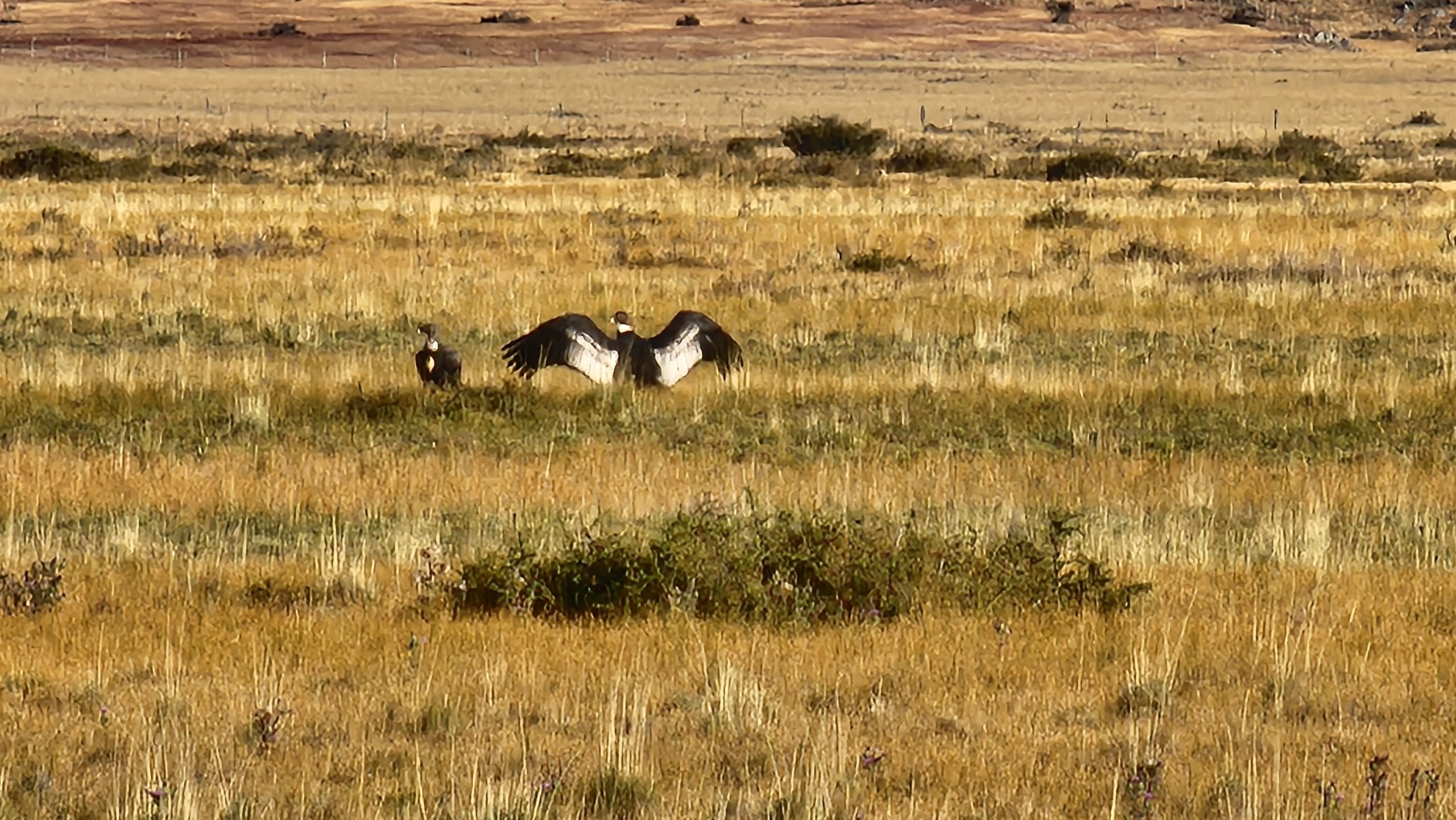
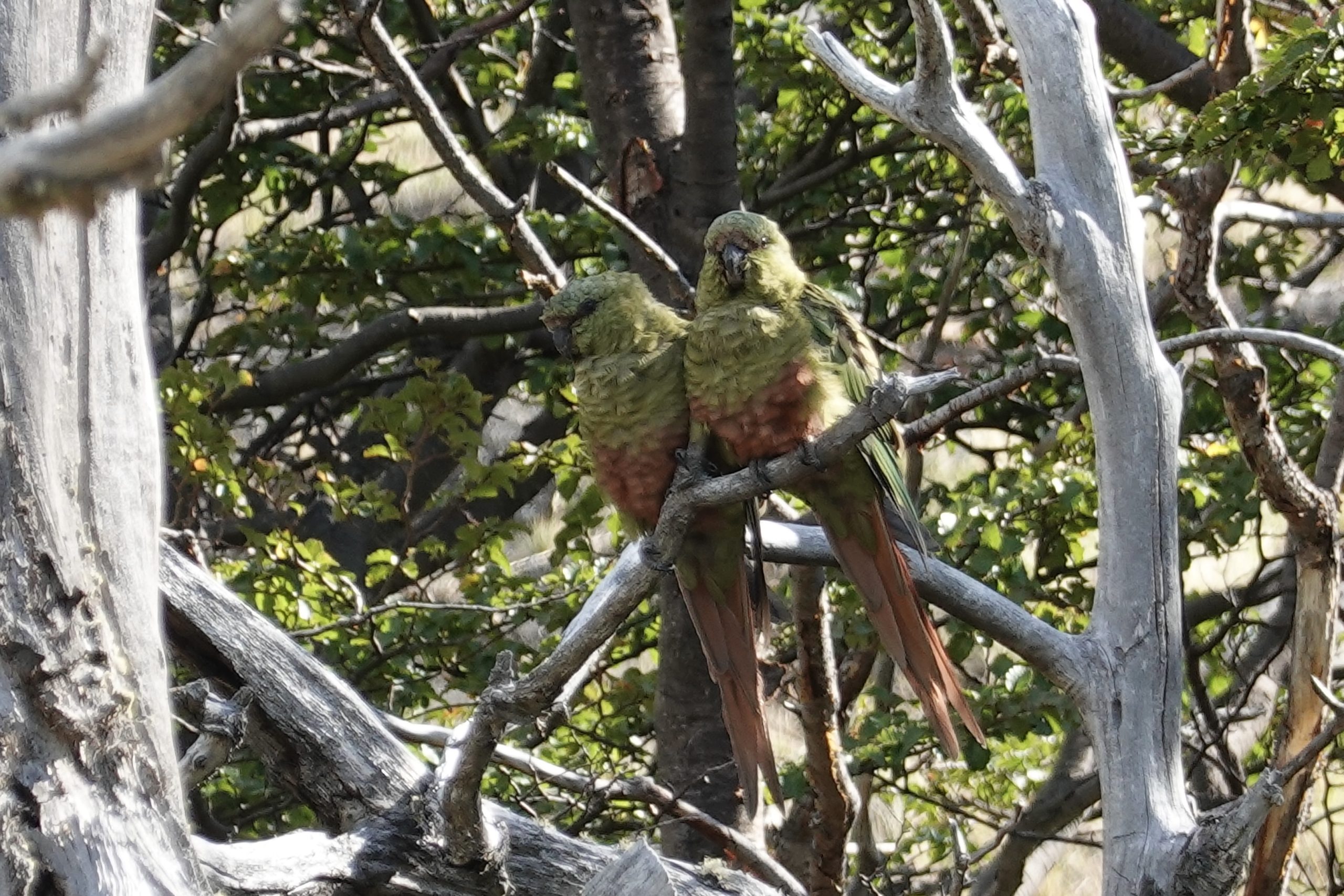
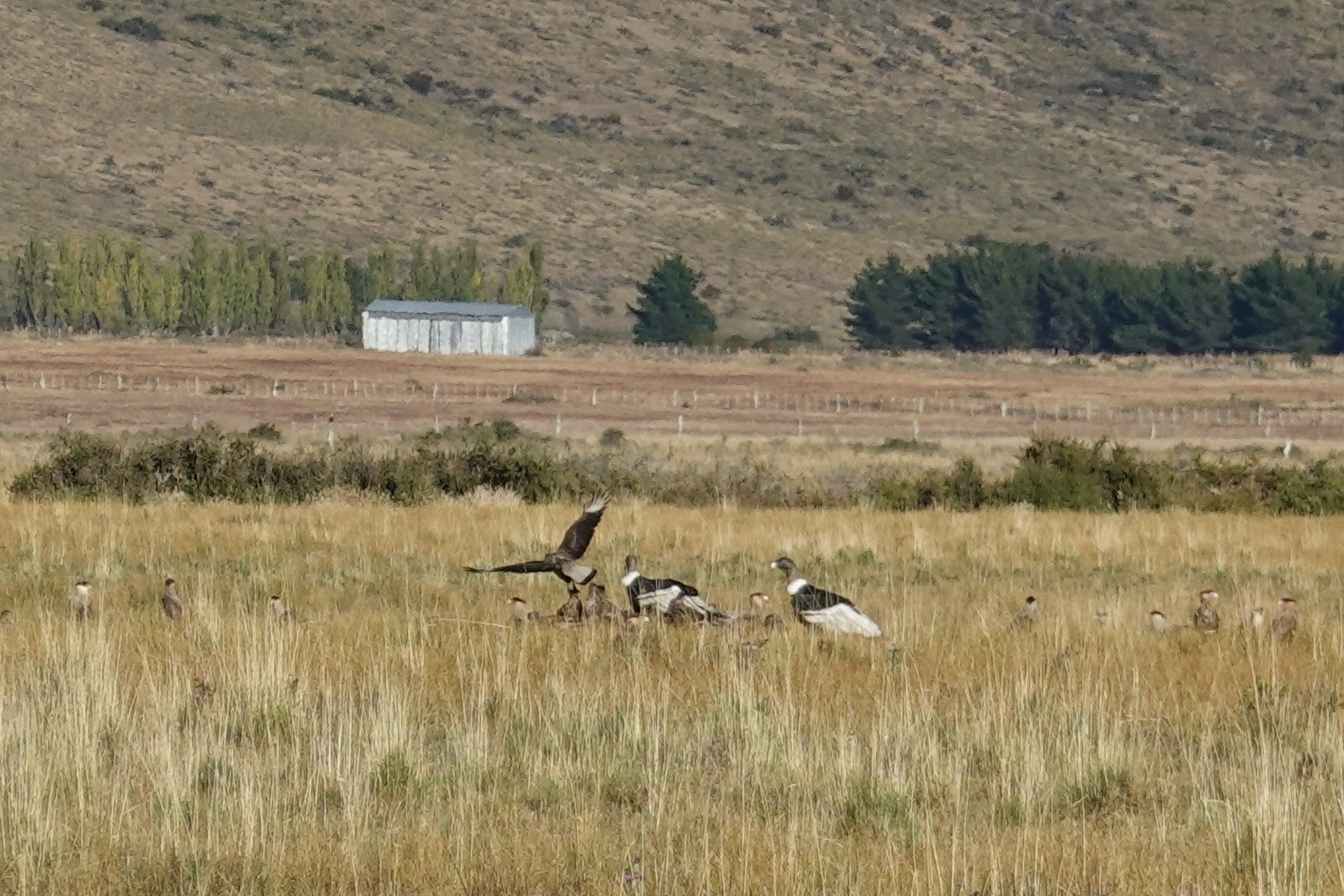
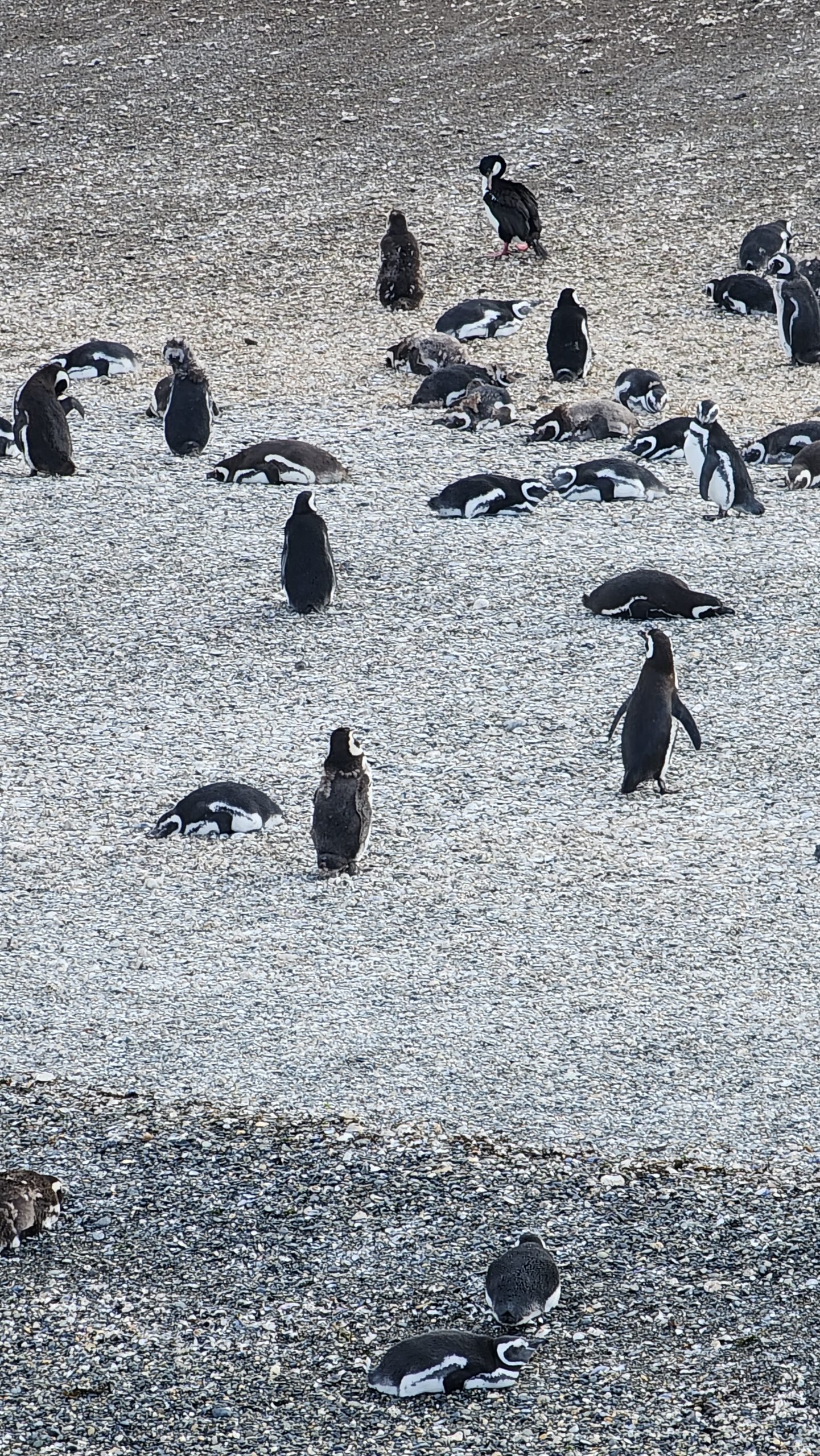
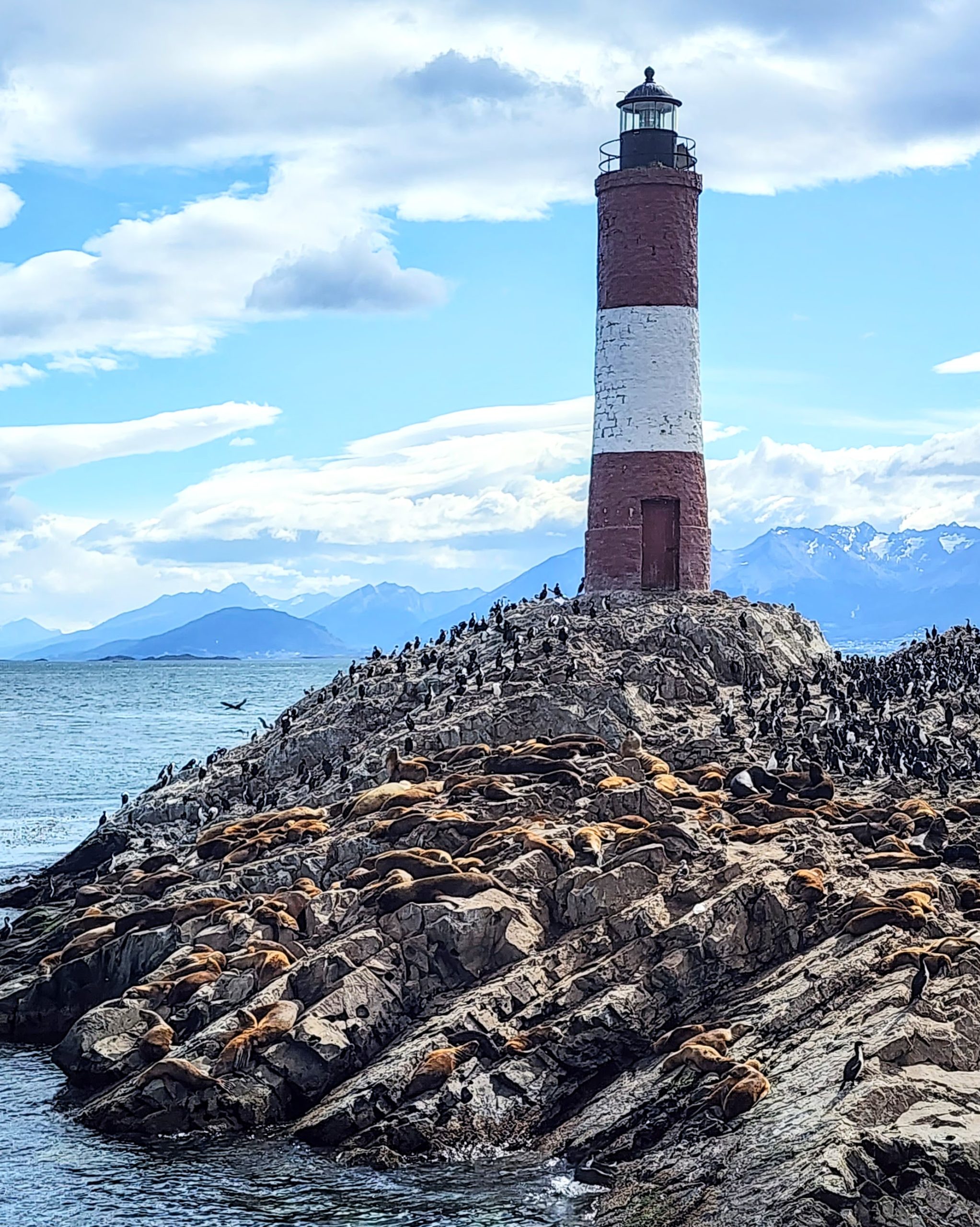
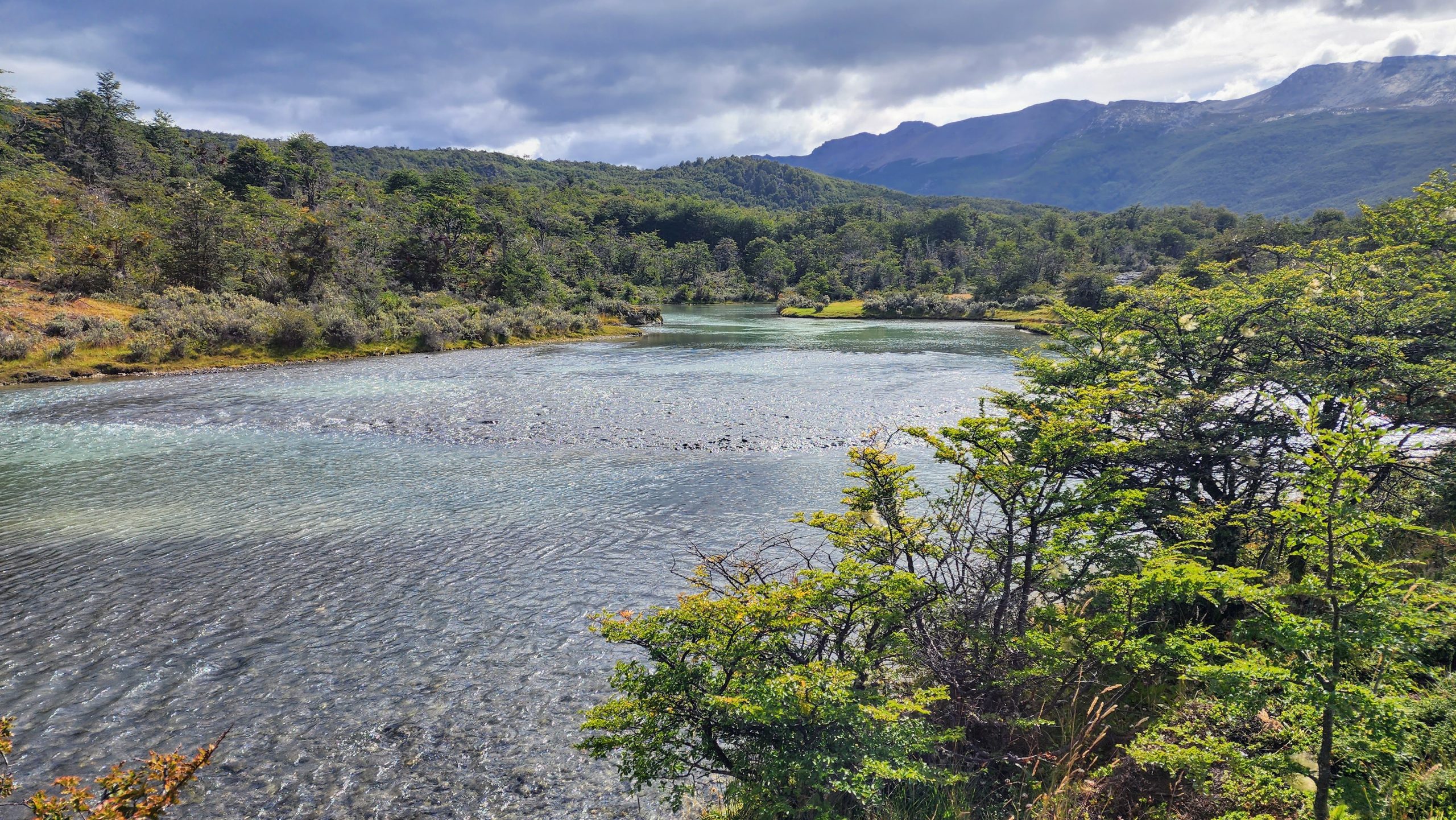
We began in Ushuaia, Argentina, often called “the end of the world.” Nestled on the Beagle Channel, this southernmost of all cities was our base for exploring Tierra del Fuego National Park. The park’s ancient southern beech forests were alive with birdlife—Andean Condors soared overhead, and flocks of charming Thorn-tailed Rayaditos buzzed through the trees. We saw our first Austral Parakeets—the world’s southernmost parrot. A boat excursion on the Beagle Channel was a highlight, bringing us face-to-face with seabirds like Black-browed Albatrosses and giant-petrels (both Northern and Southern), as well as colonies of adorable Magellanic and Gentoo Penguins. The rare Snowy Sheathbill stole the show for many of us (okay, mostly for Trip Leader Ivan), with its bizarre, unlovely charm.
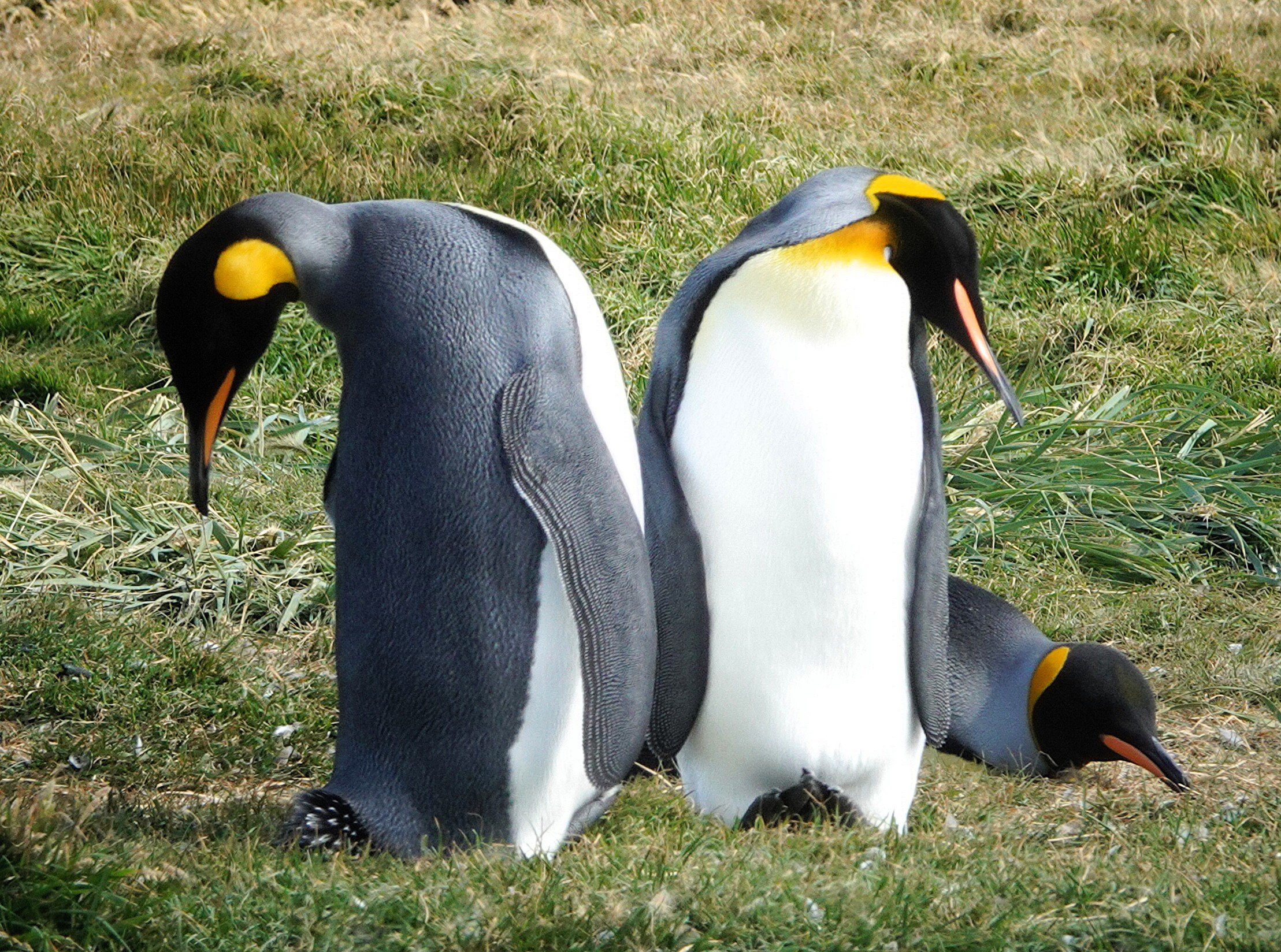
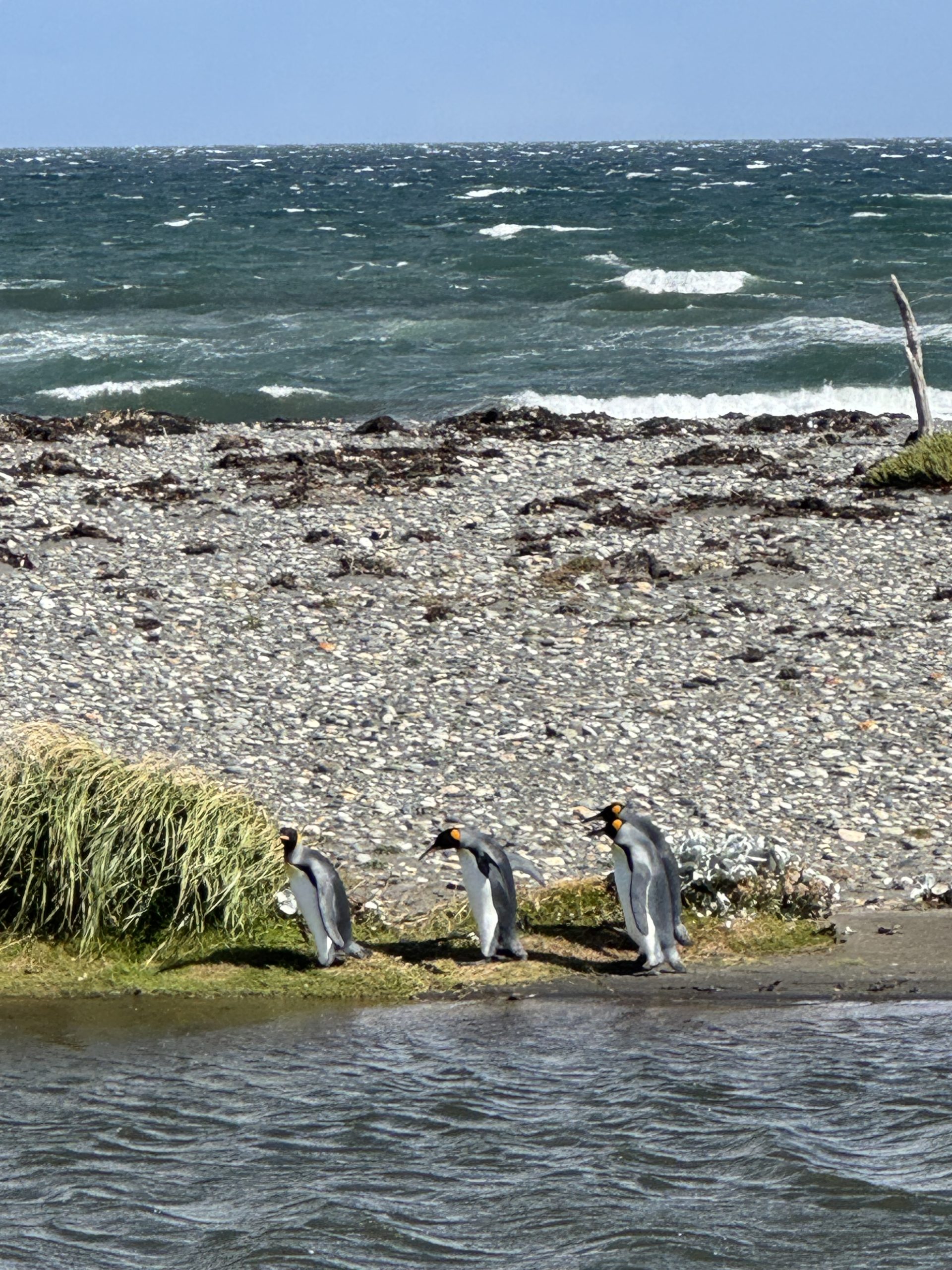
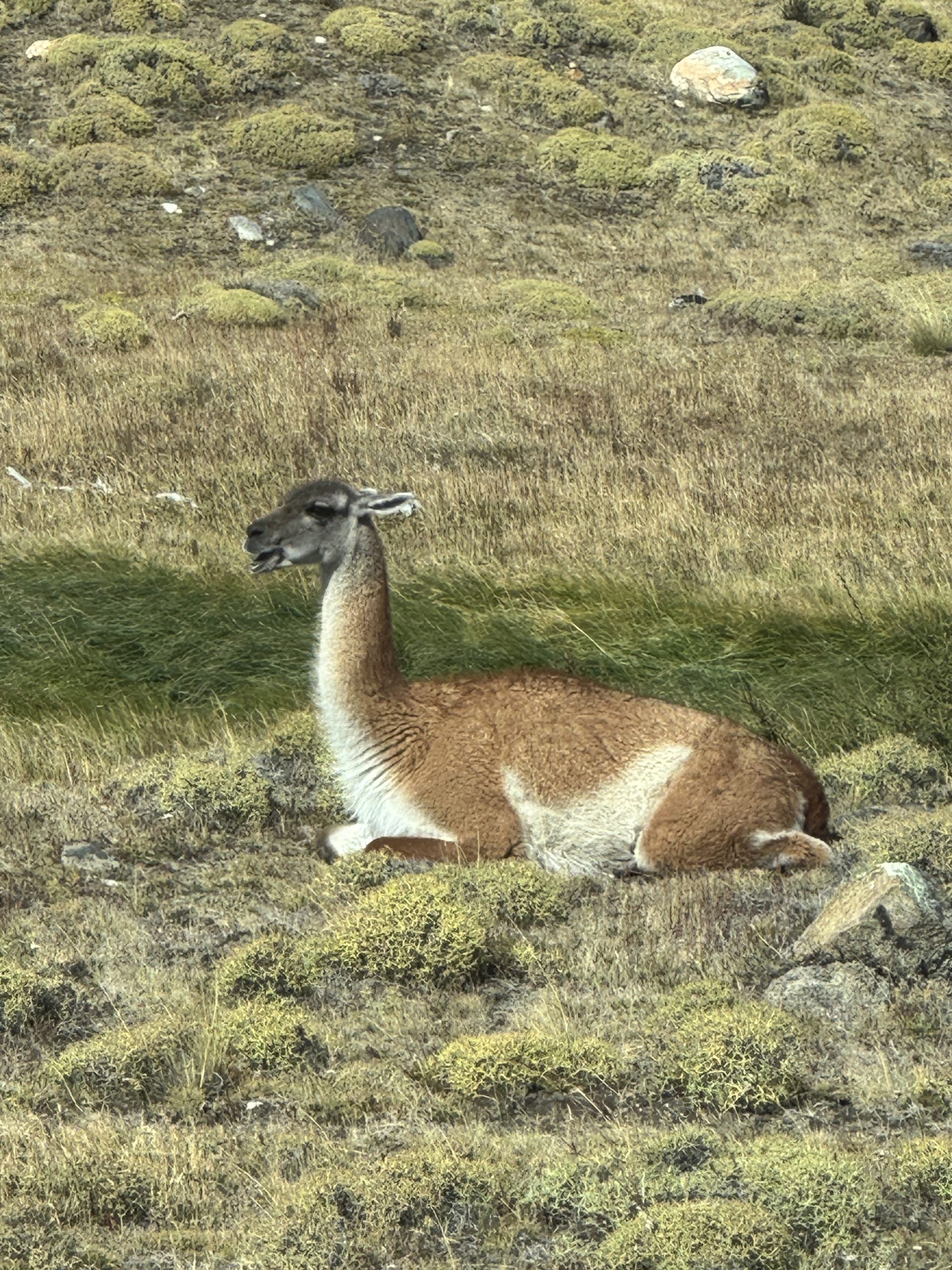
From the forested slopes of Tierra del Fuego, we crossed into Chile and entered the Patagonian Steppe—an expansive, rugged grassland swept by strong winds. There we found the highly sought-after Magellanic Plover, a unique shorebird in its own family, methodically pecking through the mudflats. We also saw our first Guanacos, cousins to the camel and llama that are perfectly adapted to this harsh, dry environment. One of the most magical moments came at a remote King Penguin colony, where we watched these regal birds preen and call in a windswept bay—and to our astonishment, we even spotted a vagrant Snares Penguin from New Zealand among them.
We crossed the Strait of Magellan to reach the mainland of South America. Soon after, we were excited to see our first Lesser Rhea, grazing on the steppe.
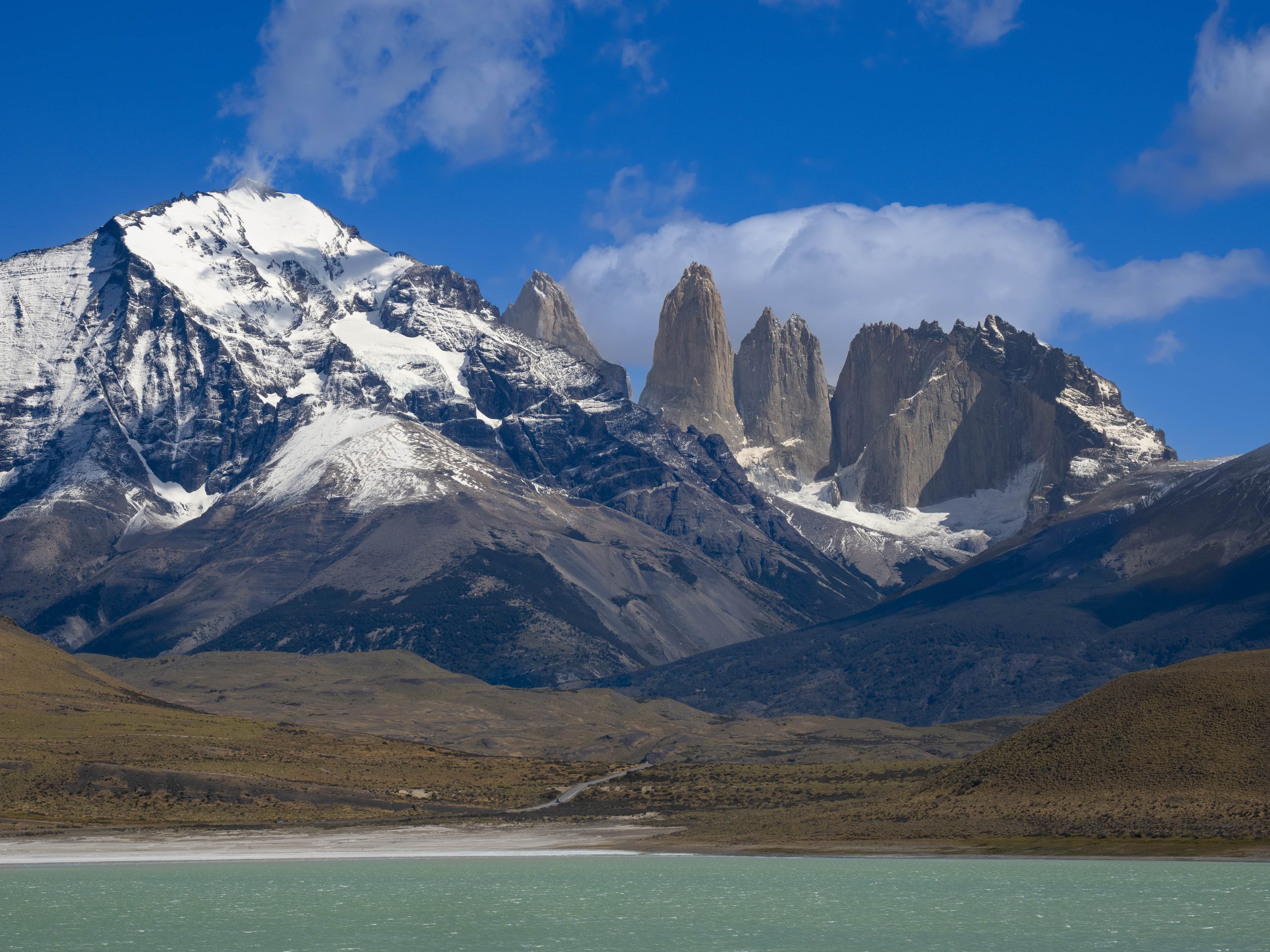
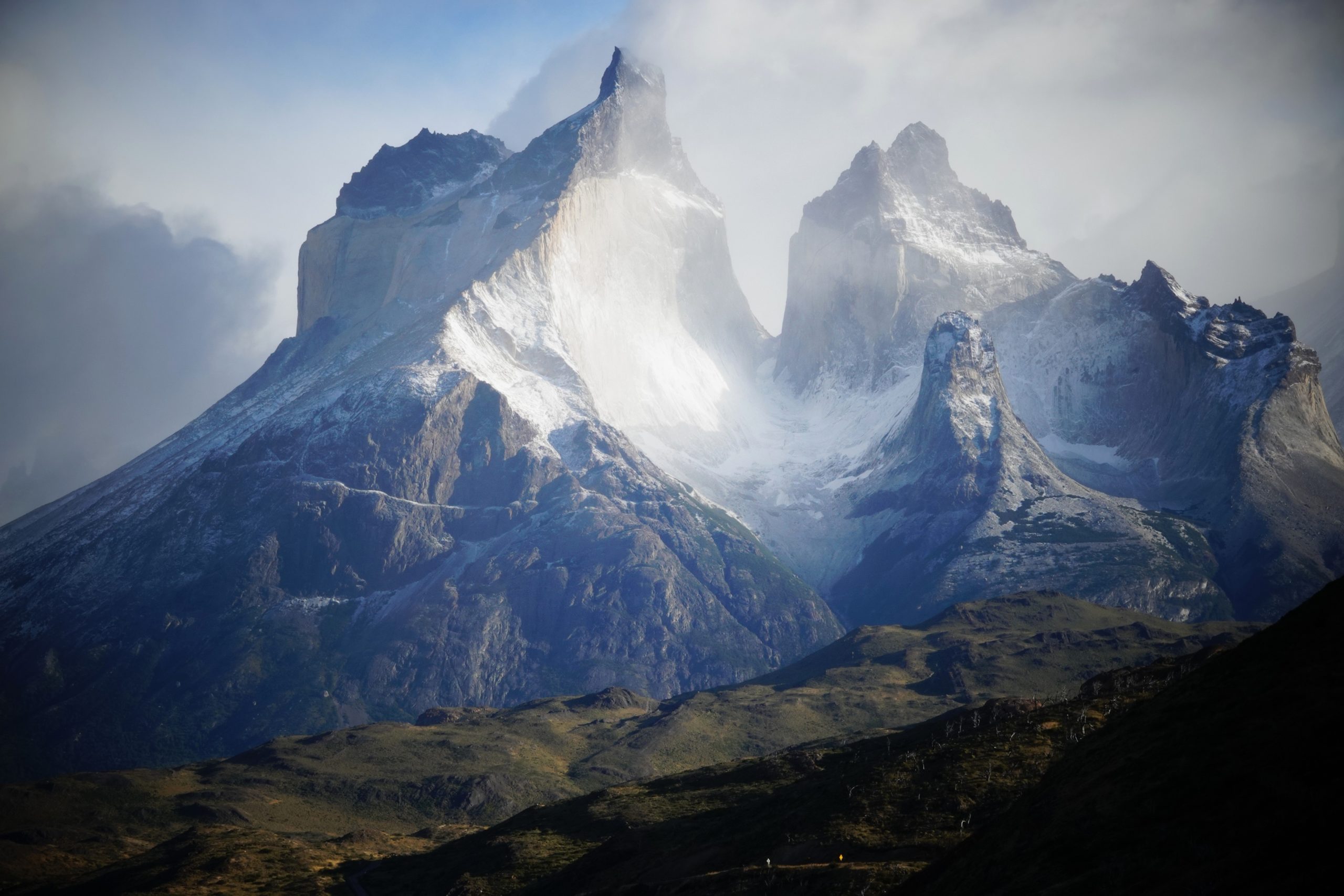
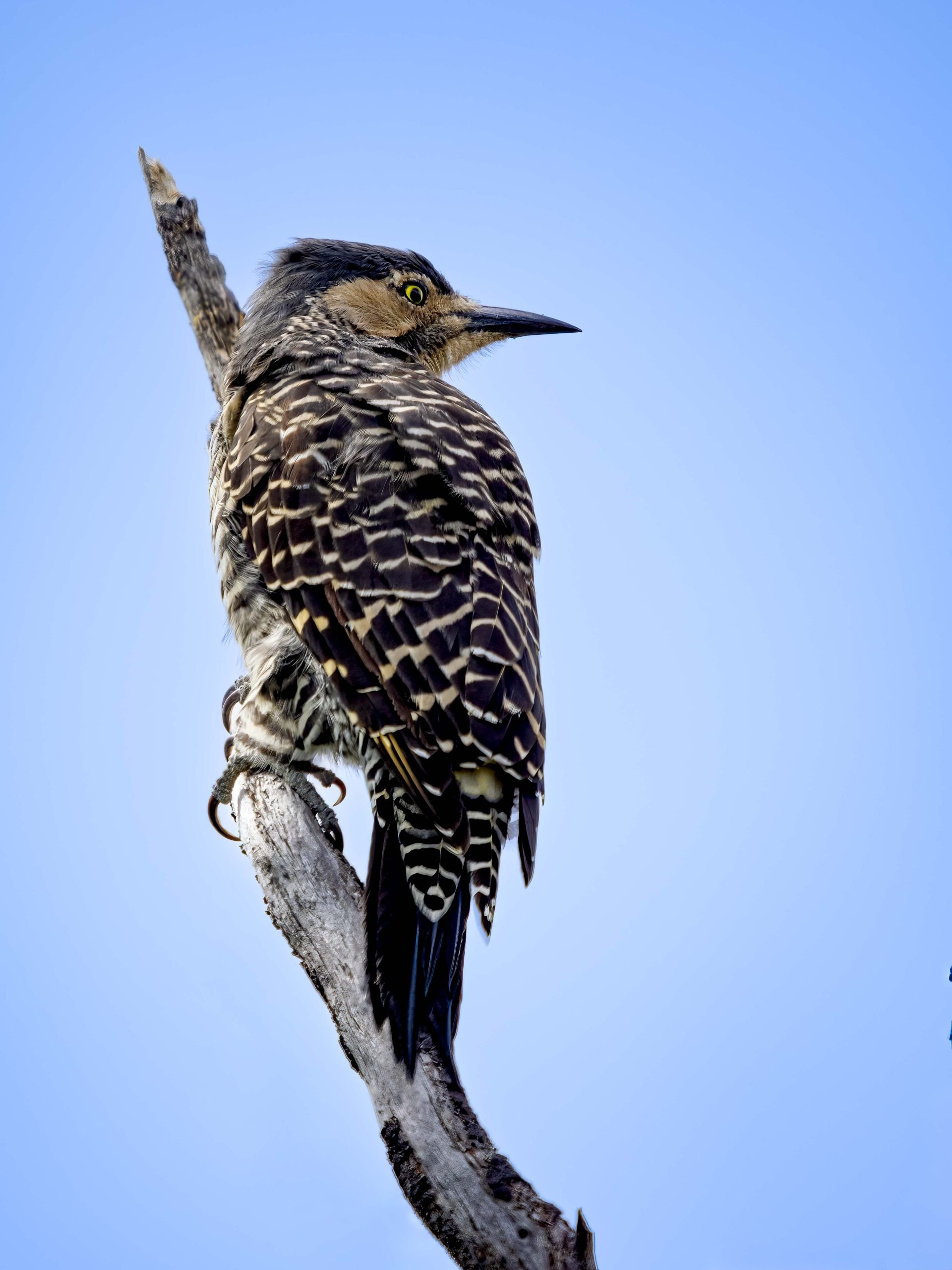
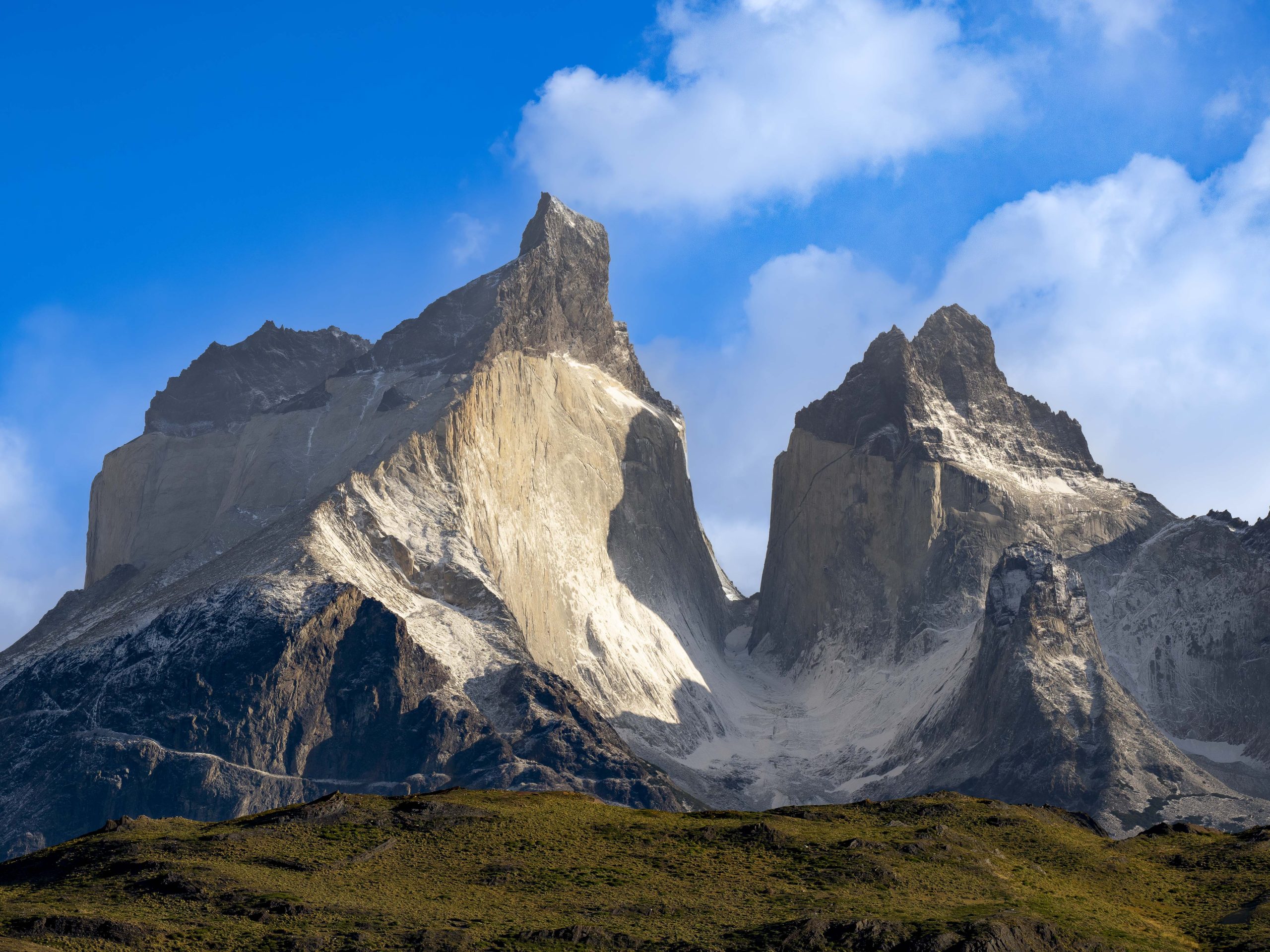
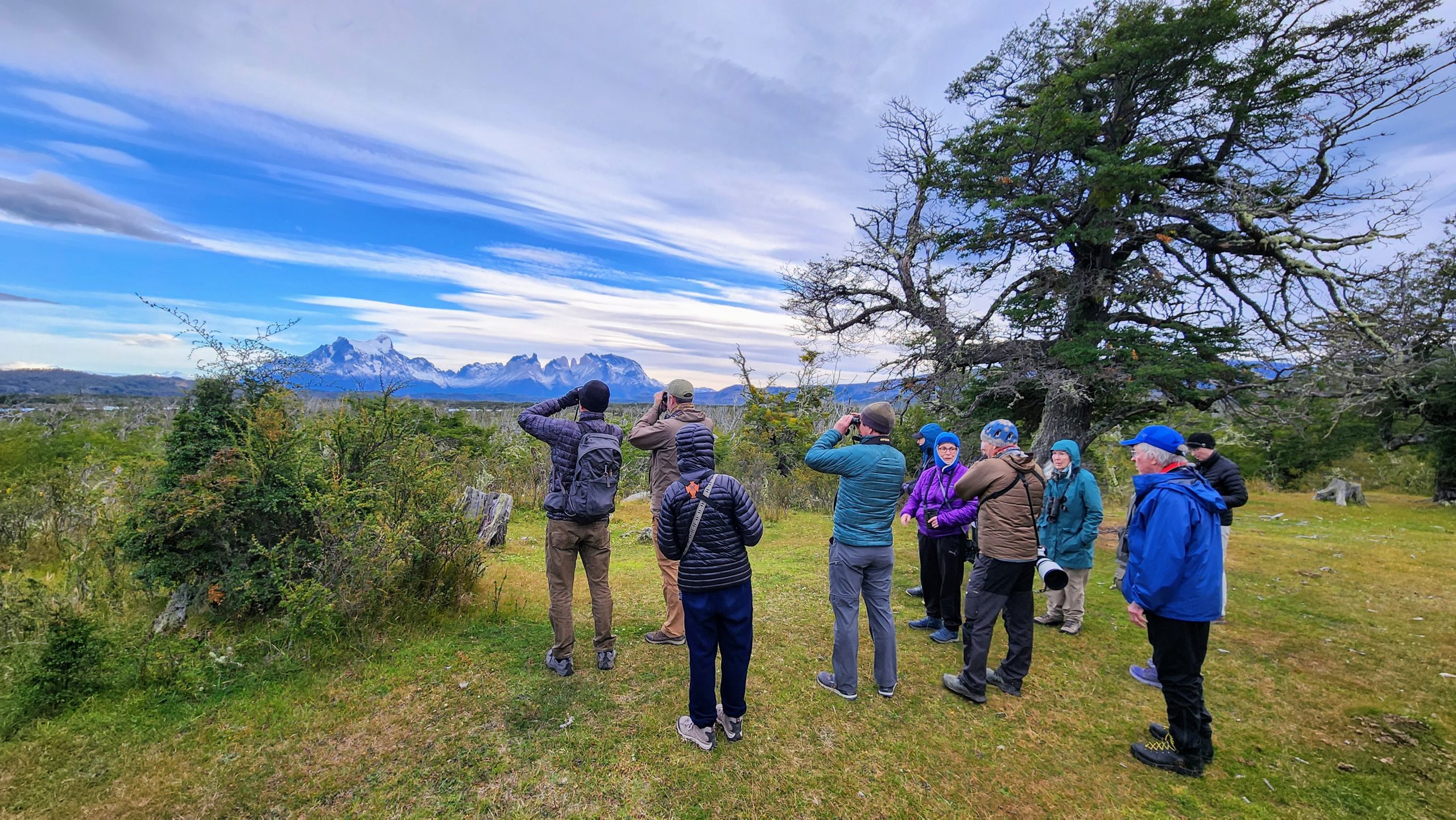
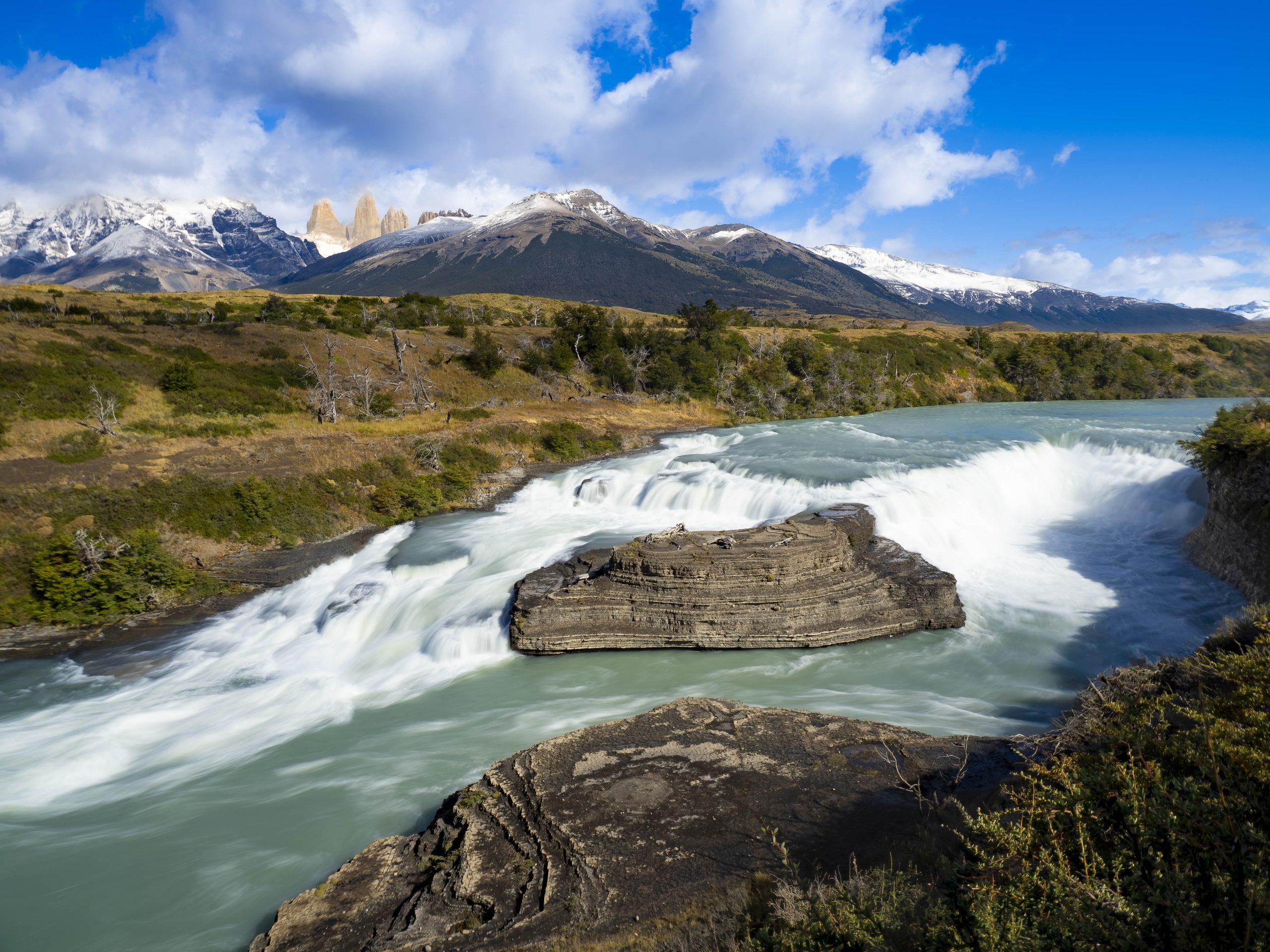
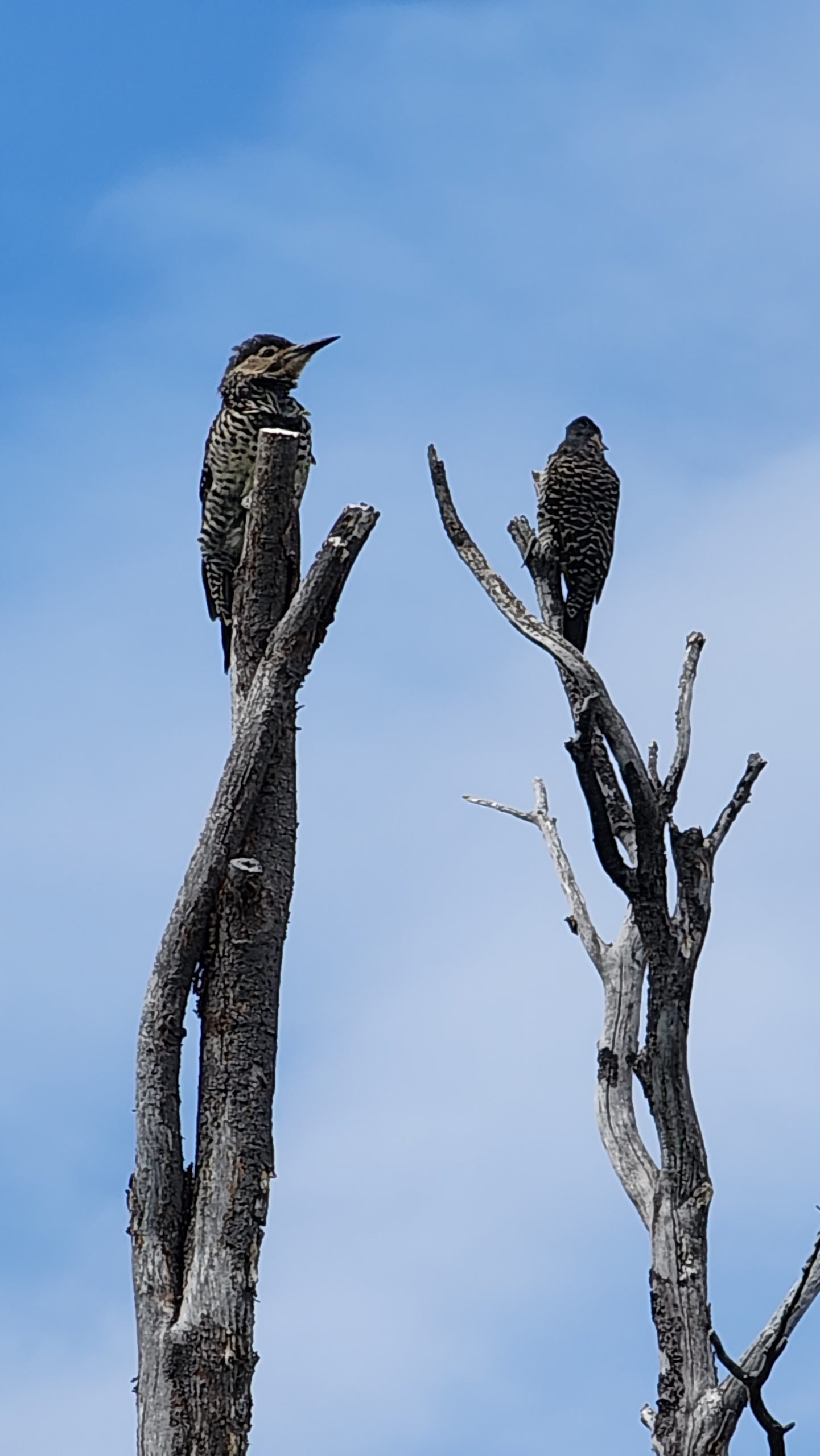
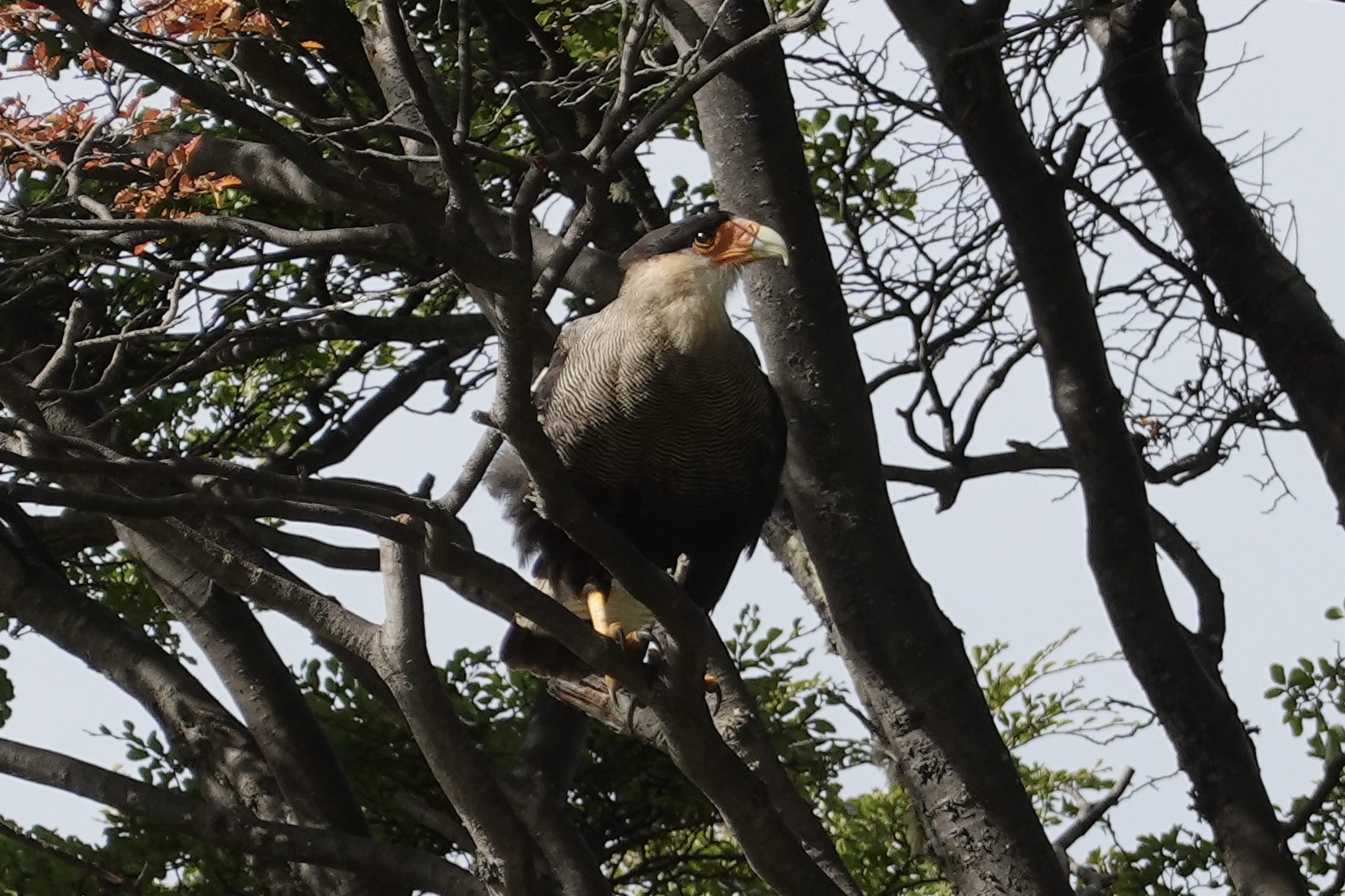
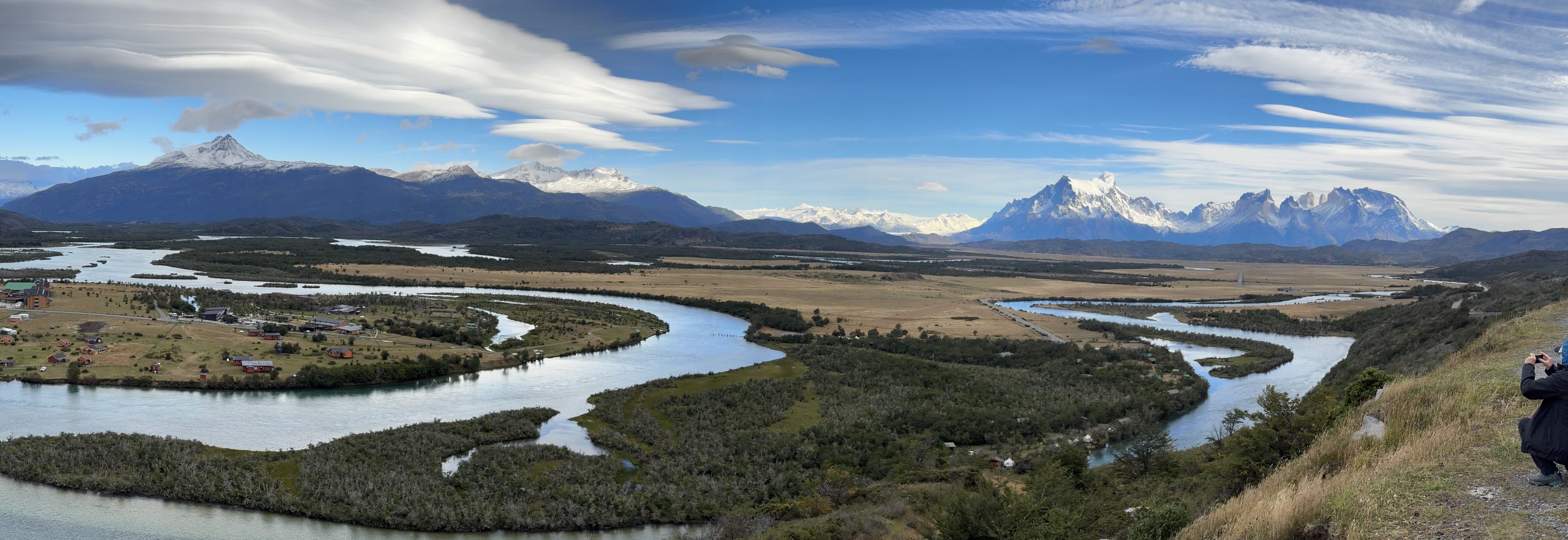
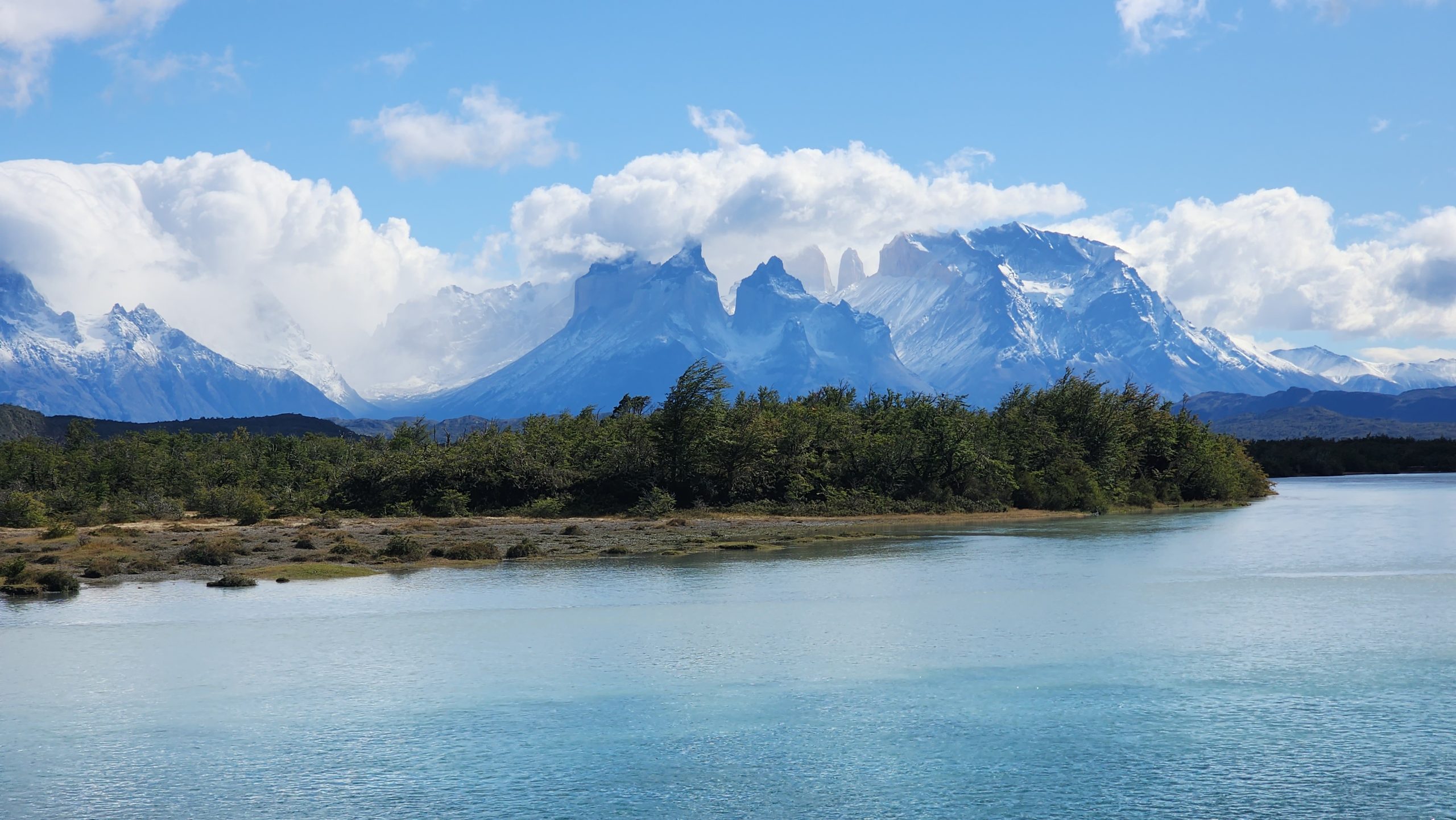
Next, we traveled to Torres del Paine National Park in the Chilean Andes, a landscape of dramatic peaks, turquoise glacial lakes, and sculpted valleys. Though the weather was moody at first, we were eventually rewarded with breathtaking views of the park’s iconic mountains. Here, we added species like Magellanic Woodpecker, Tufted Tit-Tyrant, and the elusive Magellanic Tapaculo. Though we didn’t encounter any Pumas, we did get an unexpected thrill when our lodge warned us about a local female with a cub nearby—just one more reminder of the wildness of this place.
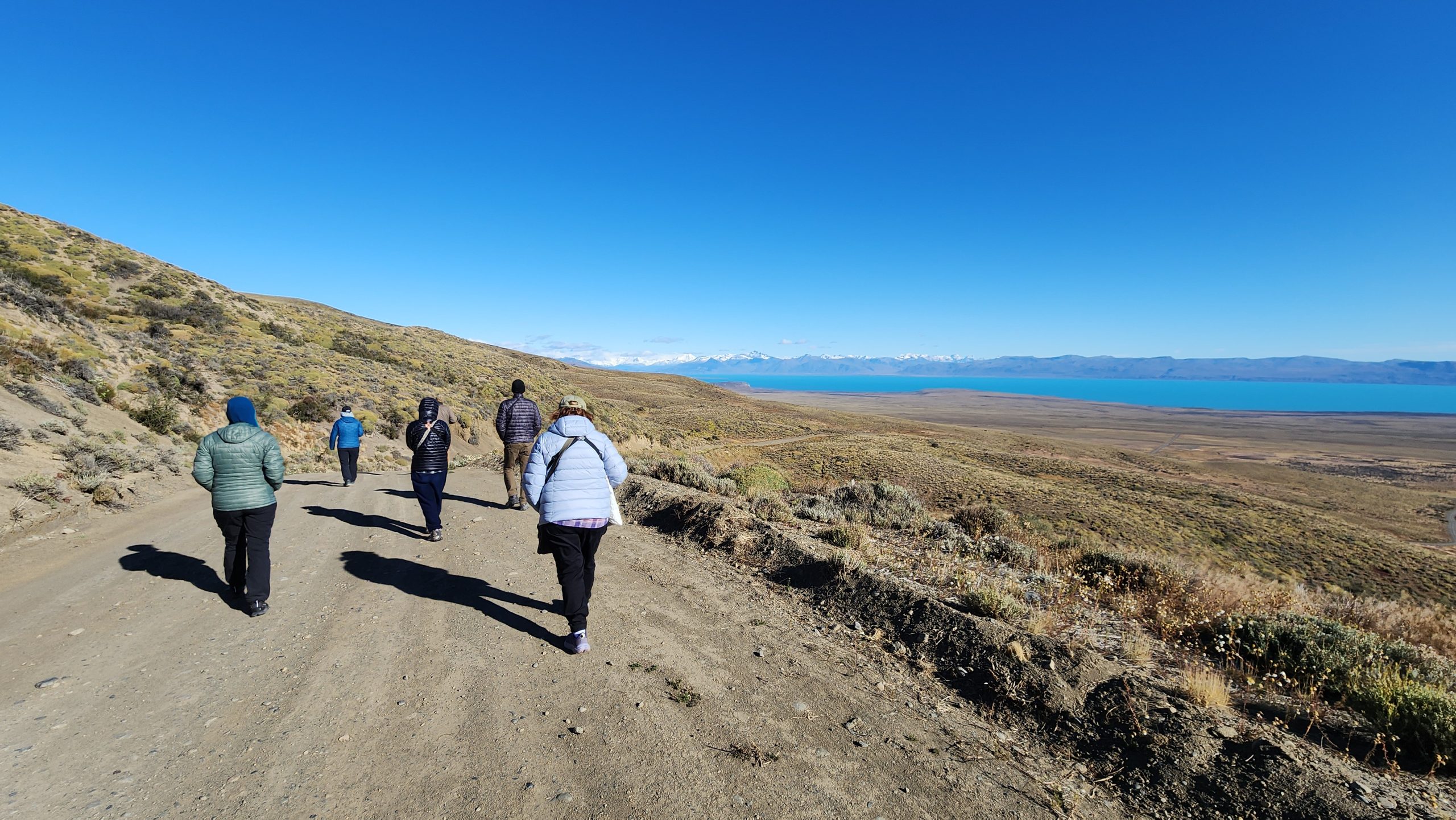
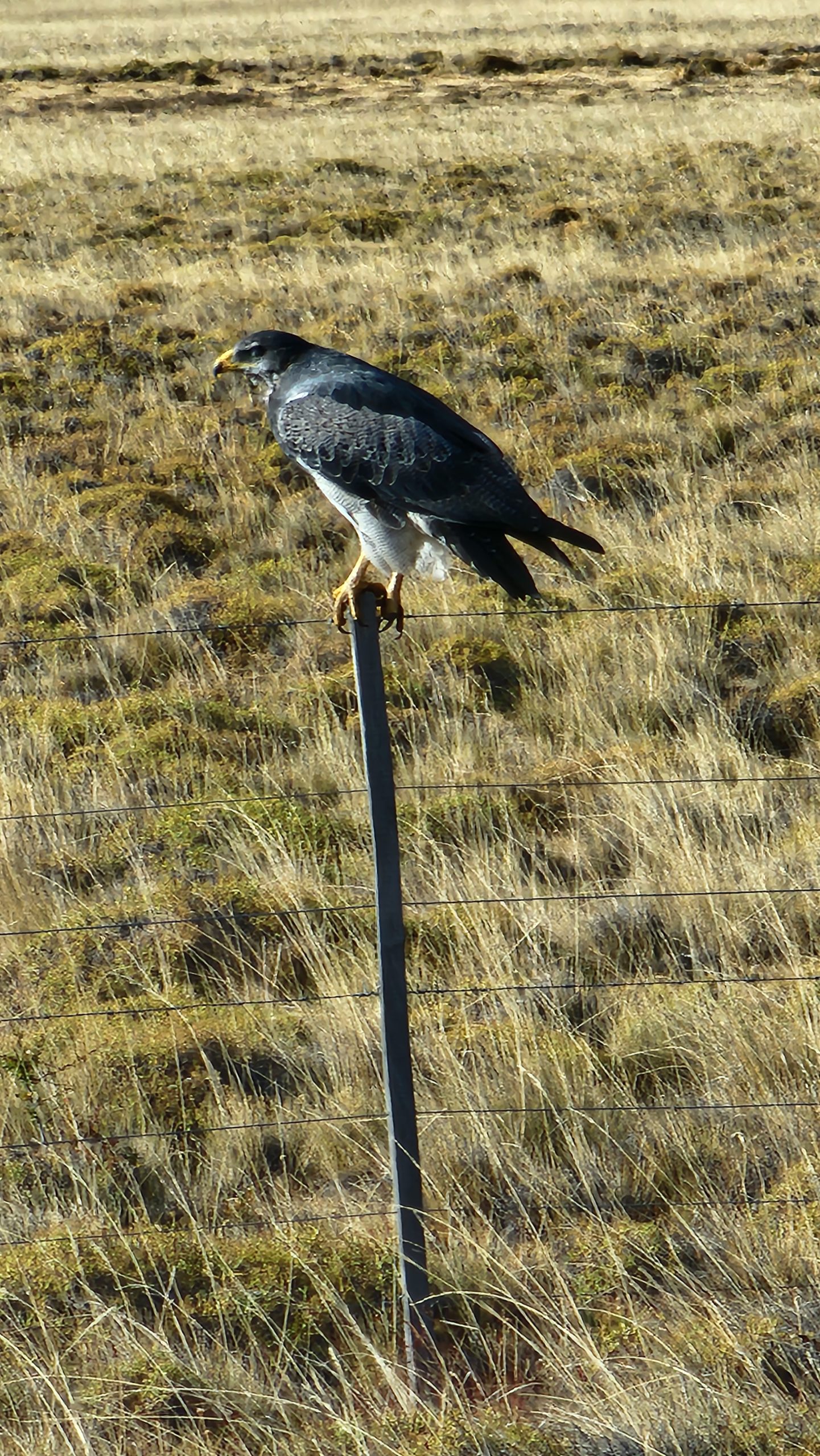
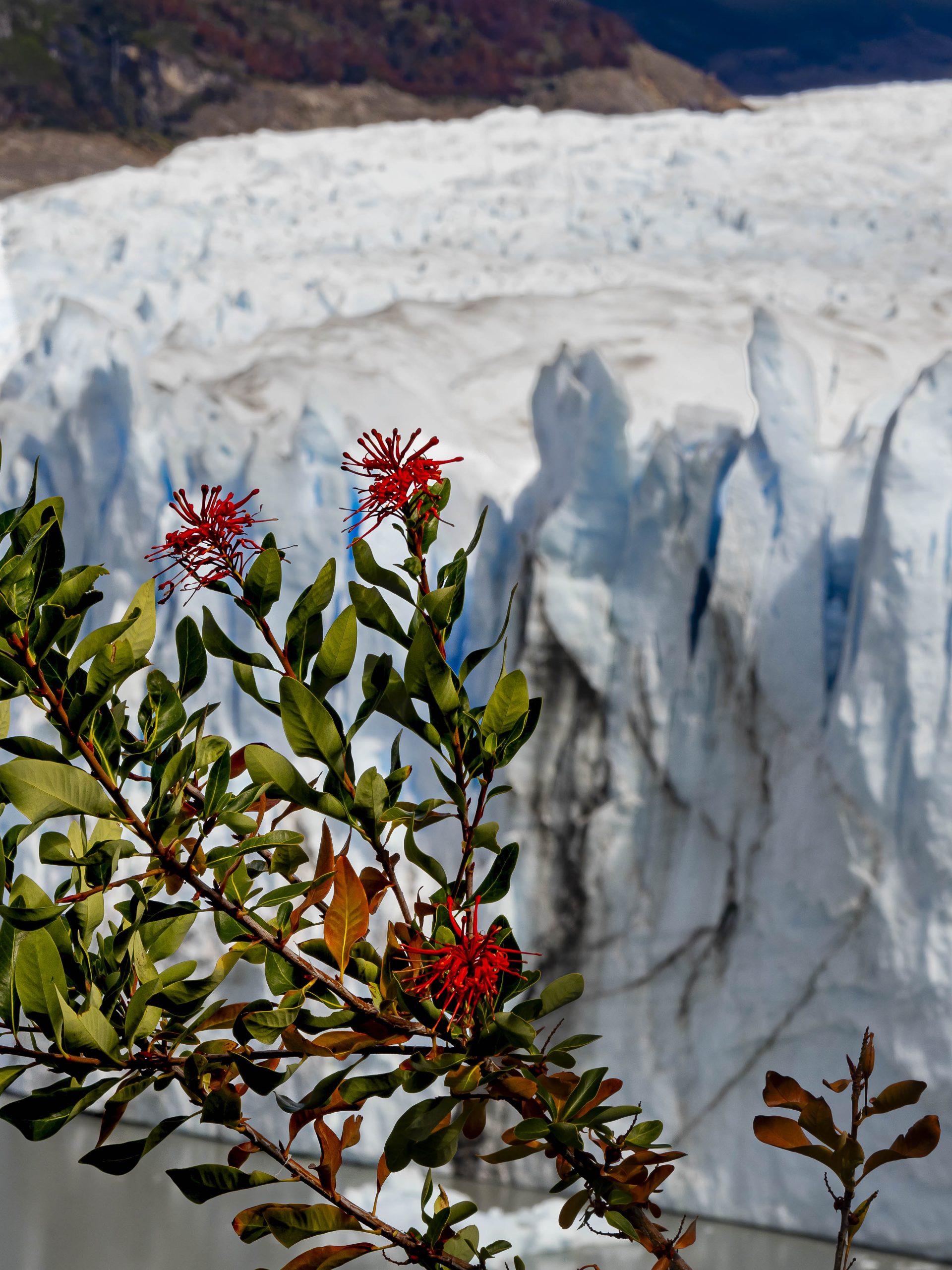
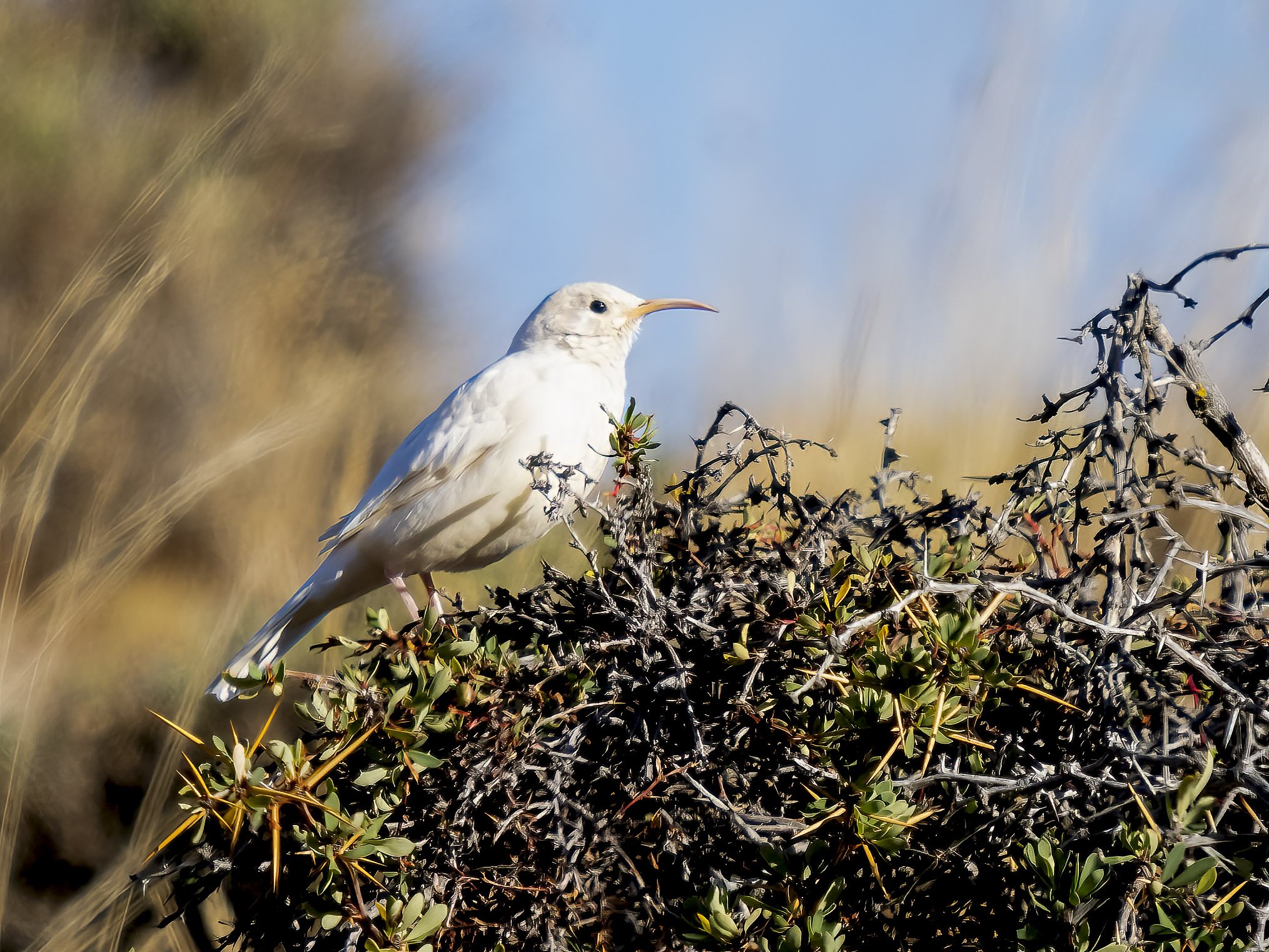
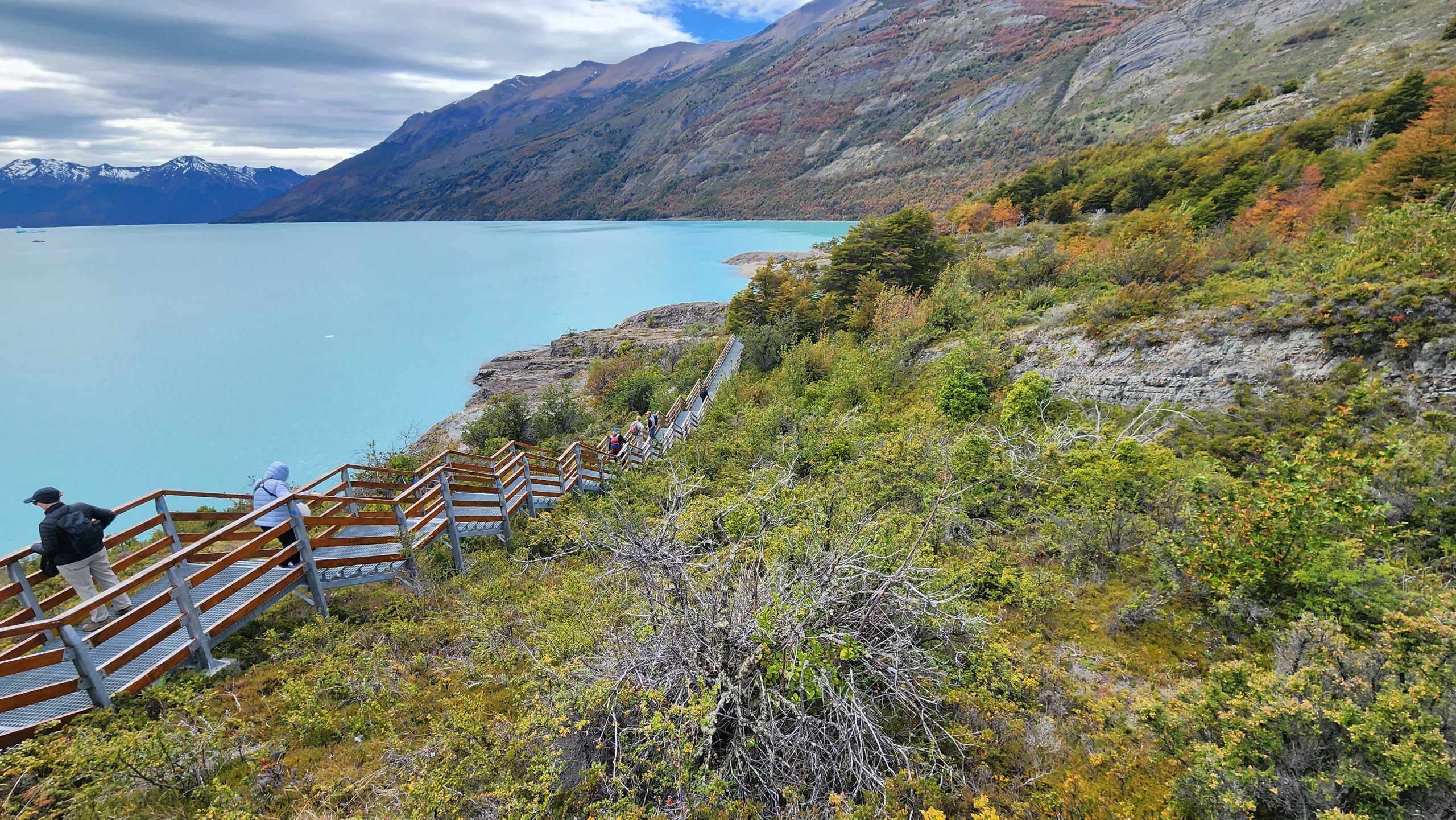
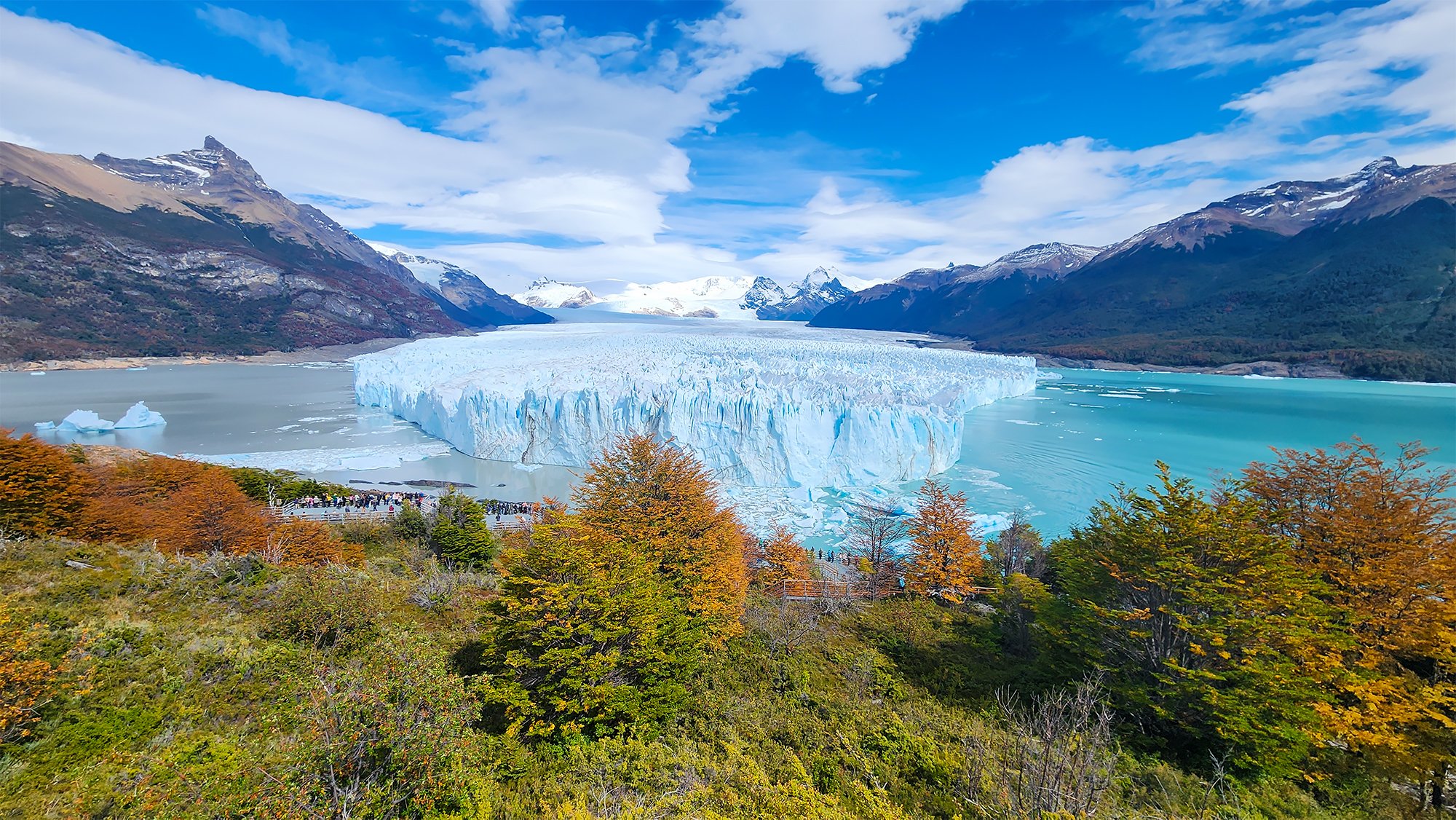
We ended our tour in Argentina’s El Calafate, birding the steppe and visiting the awe-inspiring Perito Moreno Glacier. Watching a flock of Austral Parakeets flutter in front of the glacier’s towering face felt surreal, as did witnessing an enormous chunk of ice calve into the lake below. Along the steppe roadsides, we spotted iconic species like the Scale-throated Earthcreeper (including a leucistic individual we dubbed Pedro Blanco) and enjoyed a peaceful walk at Laguna Nimez, where Chilean Flamingos and waterfowl filled the wetlands. Patagonia captured our hearts with its rugged beauty, charismatic wildlife, and sense of true remoteness. For any birder or naturalist, it’s a destination that stirs the soul—and we can’t wait to return.
Full bird list [eBird Trip Report]
Bird Species Highlights
- Snowy Sheathbill
- Magellanic Woodpecker
- King Penguin
- Snares Penguin
- Magellanic Plover
- Austral Parakeet
- Thorn-tailed Rayadito
- Andean Condor
- Magellanic Tapaculo
- Flightless Steamer Duck
- Tufted Tit-Tyrant