Day 1 – Arrival to Belize
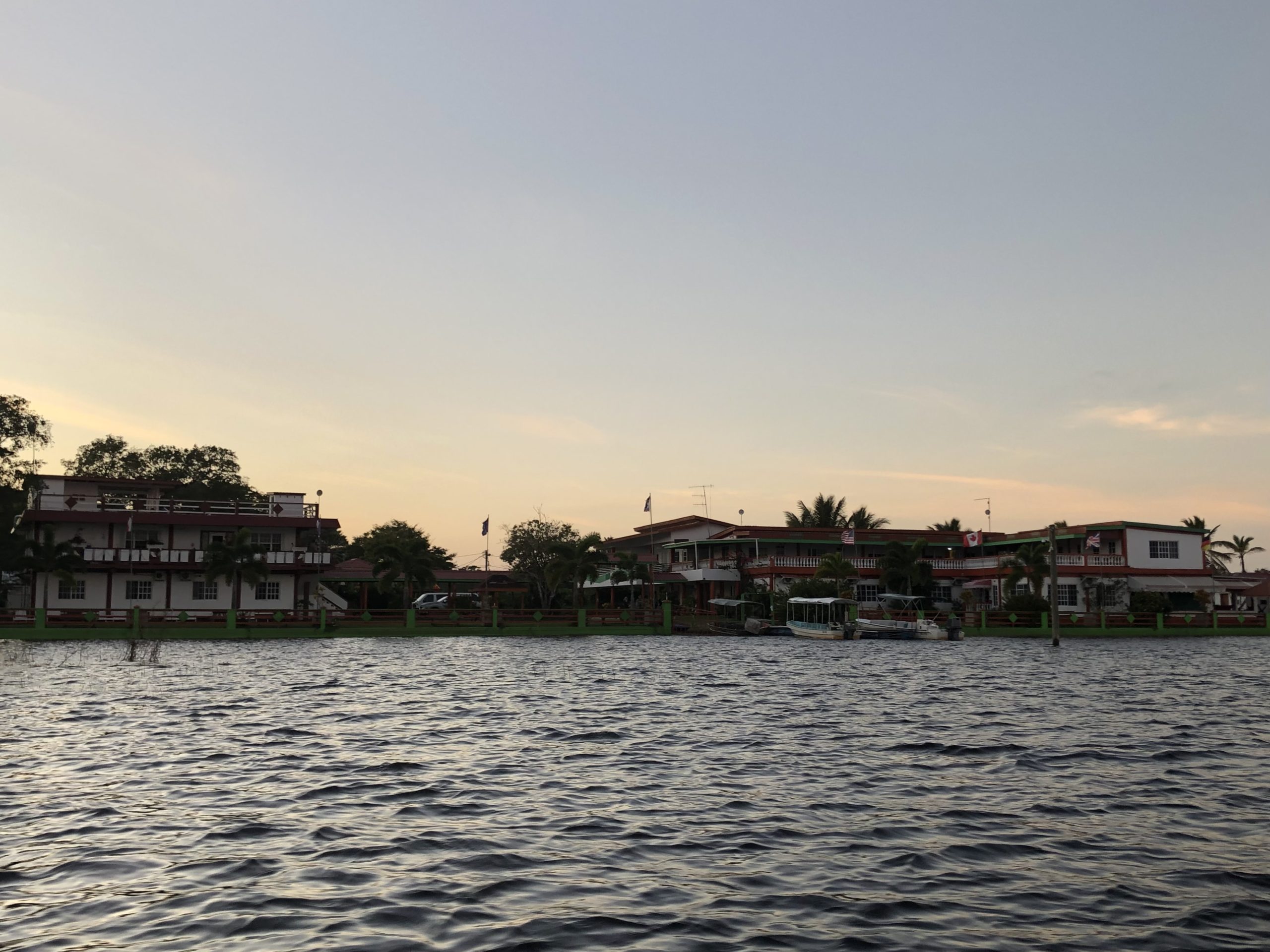
Arriving into the balmy Belizean climate was a relief for many of us, as snow and ice had descended across much of the United States right before the start of the tour. Unfortunately, this meant that several flights were cancelled, delaying the arrivals of some of our group by a day. For those that were able to make it on time, we met in Belize City and headed to our first destination, Bird’s Eye View Lodge, in the community of Crooked Tree. We got our first looks at a few of the more common birds here, such as Tropical Mockingbirds, Tropical Kingbirds, and beautiful Vermilion Flycatchers. We also had a nice surprise when a small Central American Boa Constrictor was found curled up by the boat dock!
Day 2 – Birding Crooked Tree
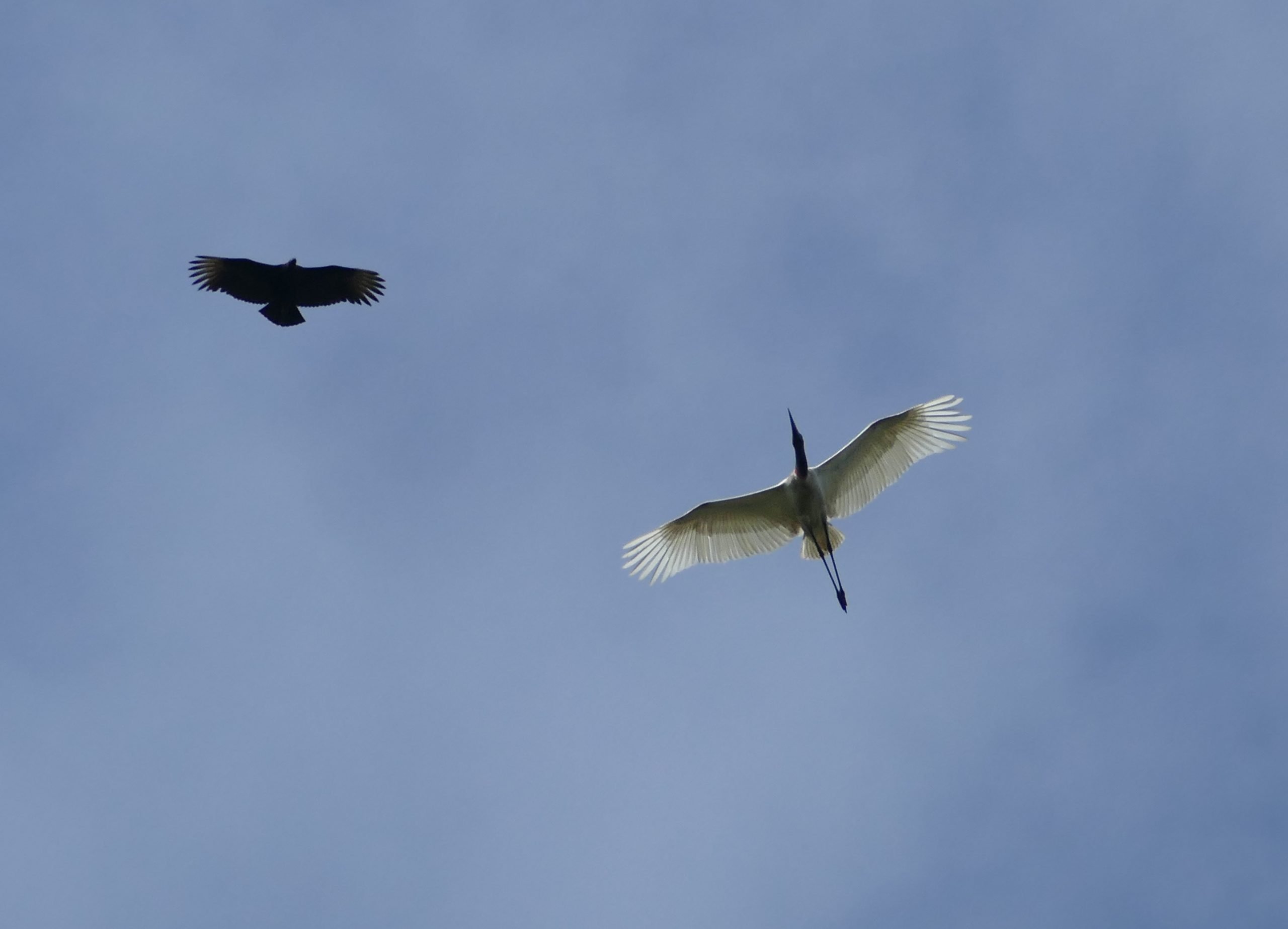
We started our day by exploring Crooked Tree, an inland island surrounded by a freshwater lagoon. Birds were everywhere, and we were treated to great looks at the regionally endemic Yucatan Jay and a vociferous Ferruginous Pygmy-Owl calling from a mahogany tree. As we headed back to the lodge for lunch, a huge shadow grabbed our attention. We looked up to see a soaring Jabiru, a massive stork that made the surrounding Black Vultures look tiny!
In the afternoon, we divided forces: Chris headed to the airport to pick up the rest of the group, Rebecca and the others headed into the lagoon for some birding by boat! The boat ride was full of things to see. The group got close up views of Northern Jacanas, an Amazon Kingfisher, and a large roost of Boat-billed Herons. Raptors were a highlight for everyone, as they got to see many Snail Kites, a hunting Black-collared Hawk, and a Great Black Hawk eating a fish! Meanwhile, Chris and the others saw two Jabirus fly over the road as they headed to the lodge from the airport. That night, we enjoyed our first meal together as a whole group.
Day 3 – New River to Lamanai
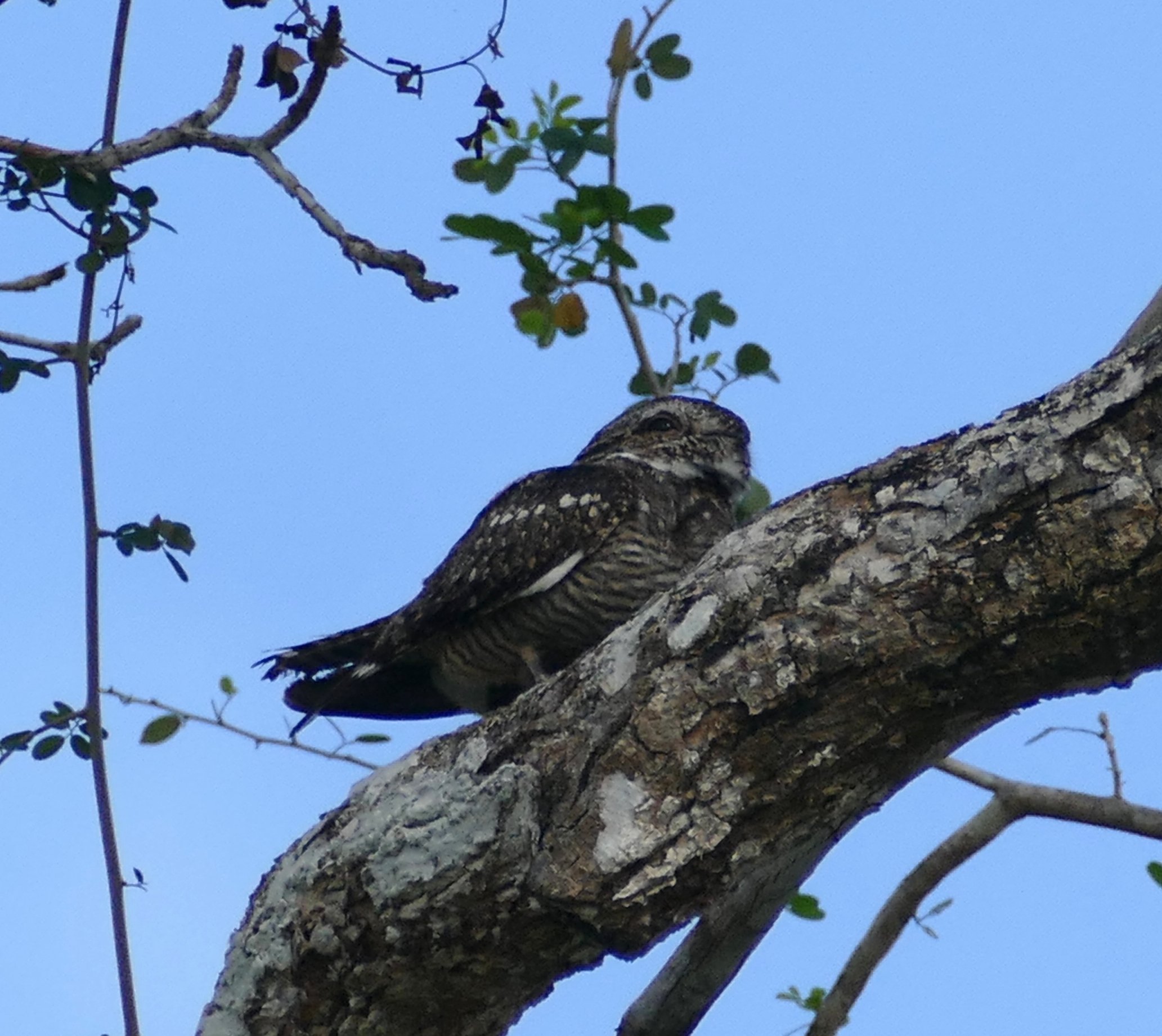
After an early breakfast at the lodge, we made a short drive to the New River, where a boat was waiting to take us to our first Mayan site, Lamanai. We had a 26-mile journey ahead of us, but we were in no rush, as there were plenty of wildlife around to keep us occupied! Along the way, we enjoyed seeing numerous Mangrove Swallows, Couch’s Kingbirds, Pale-vented Pigeons, and Yellow-crowned Night-Herons. We also were treated to great views of a Bat Falcon, a Laughing Falcon, a couple of roosting Lesser Nighthawks, a pair of Yucatan Woodpeckers visiting a nest cavity, and a Morelet’s Crocodile skulking on the water’s edge! By the time we made it to Lamanai, it felt as though we already had a full day of birding under our belts.
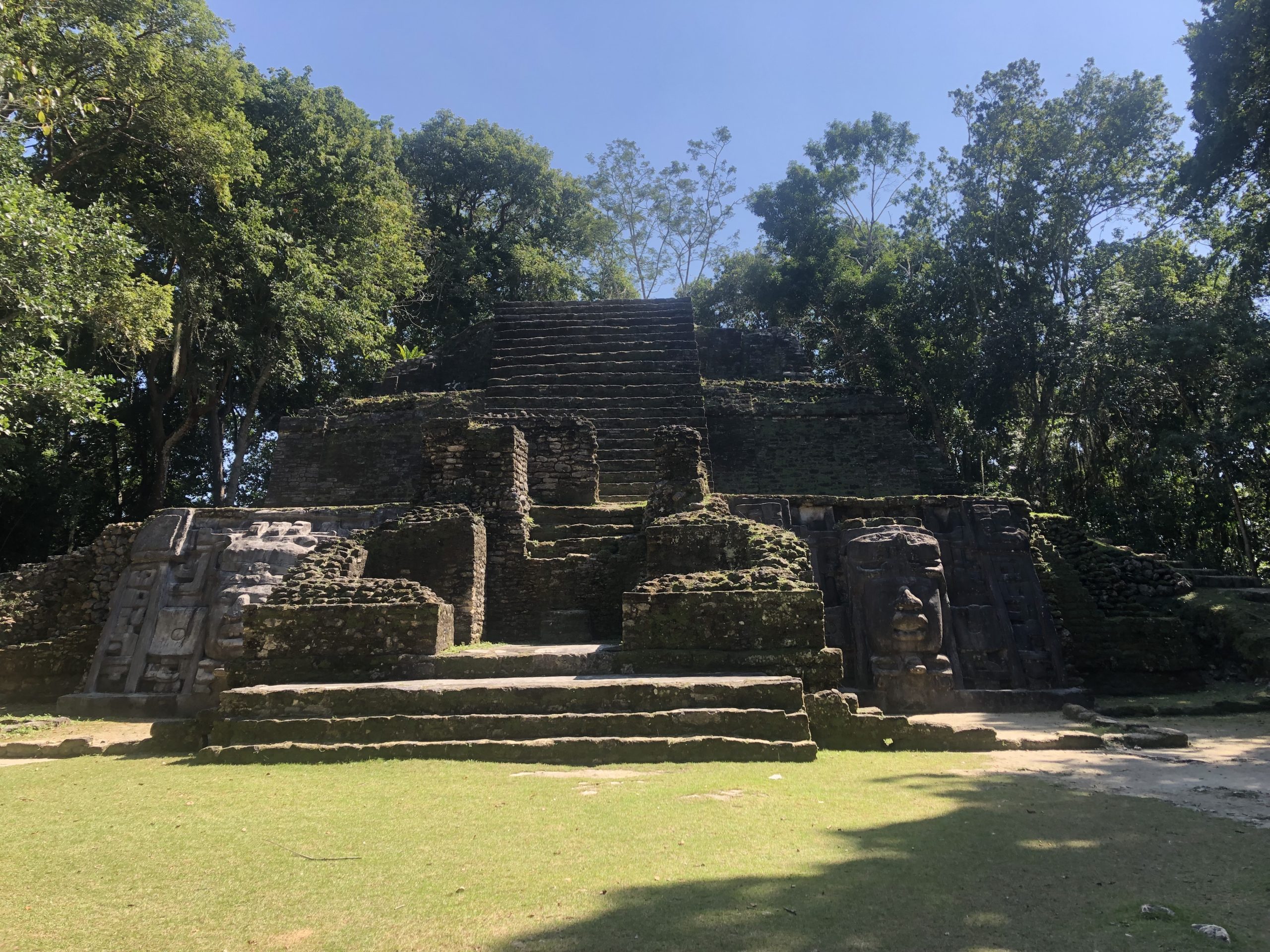
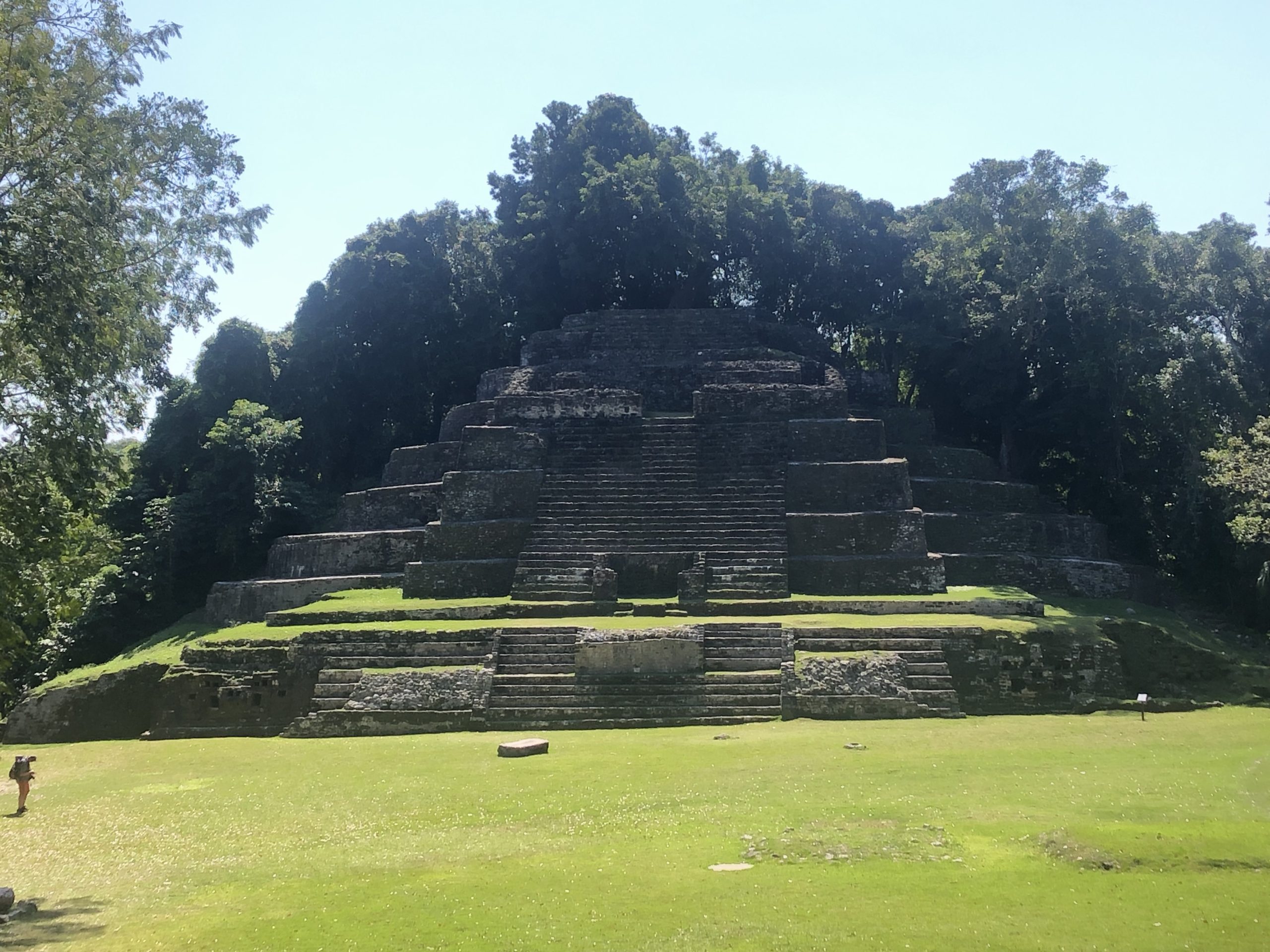
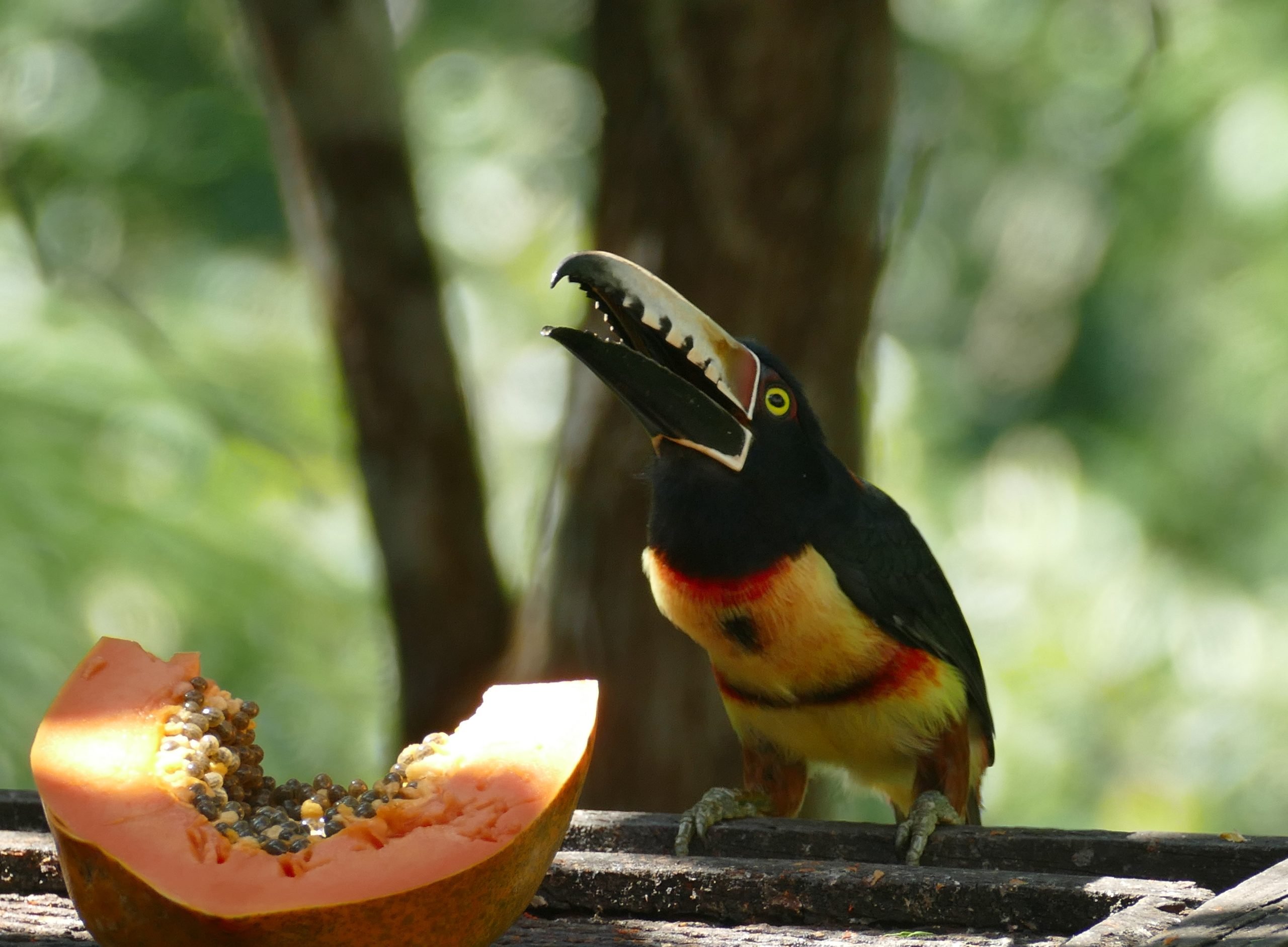
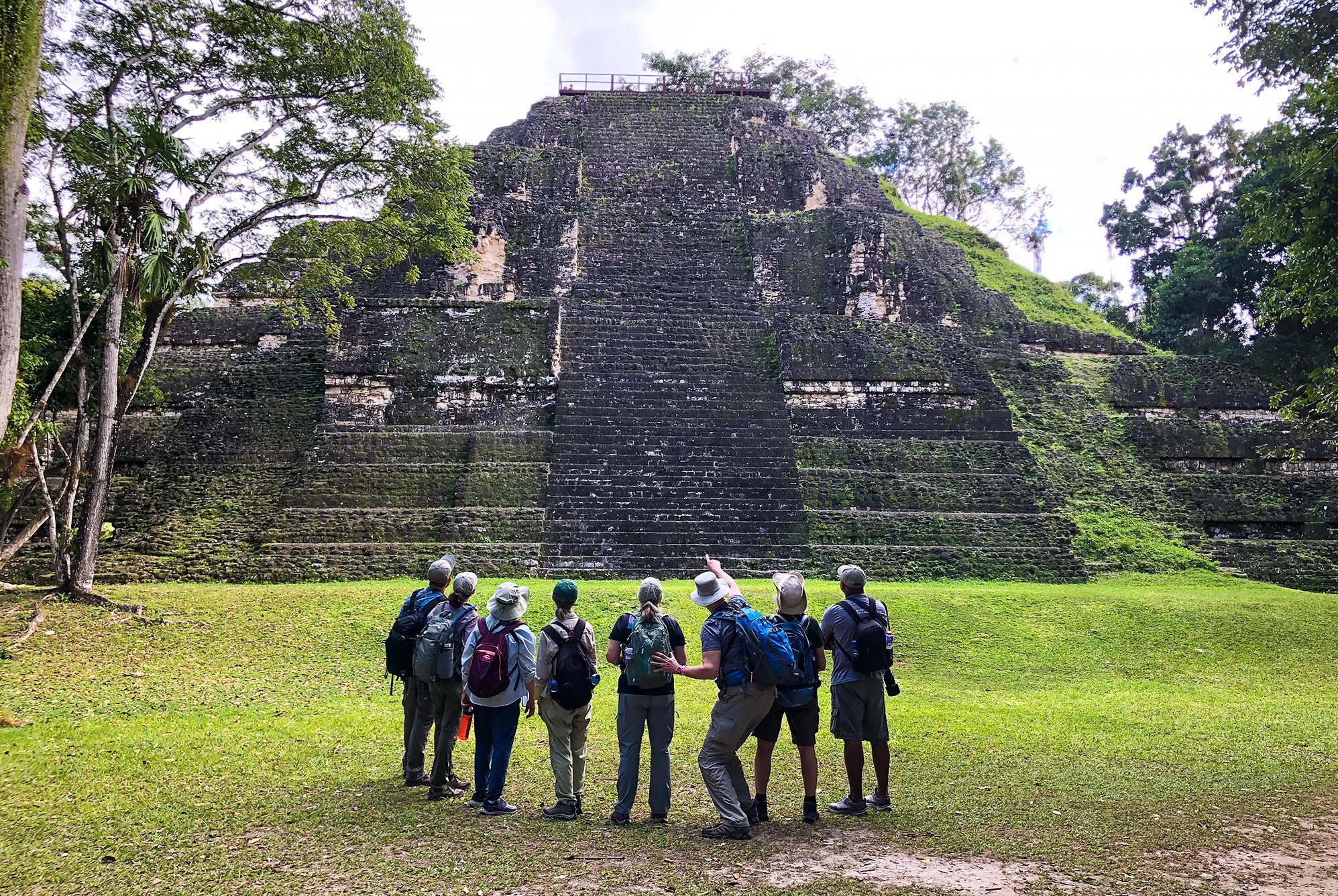
But there was much more to see once we arrived! We first took a tour of the Mayan site with our knowledgeable local guide. He educated us on the history and culture of the Mayans at Lamanai and beyond as we walked among the ruins. We looked up at vast temples, stood on the court where the Mayans played a ceremonial ball game, and gazed upon intricately carved, giant stone stellae. While exploring the site, we also heard nearby Yucatan Black Howler Monkeys for the first time, with their thunderous roars that can be heard from more than a mile away! After a tasty lunch provided by our boat captain, we had time for a little bit of birding before it was time to leave. We got our first looks at colorful Collared Aracaris, the impressive Lineated Woodpecker, and a Golden-Olive Woodpecker that seemed to be playing hide-and-seek with us. From here, it was back to the river for a quicker boat ride out on our way back to the lodge for dinner.
Day 4 – Community Baboon Sanctuary and Belize Zoo
For our last morning at Crooked Tree, we did some more birding around the island so those that came in late could see all of the specialty species. We then hit the road to our next lodge, with a few activities planned along the way. Our first stop was the Community Baboon Sanctuary, where the staff taught us everything there is to know about Belize’s “baboons”, AKA Yucatan Black Howler Monkeys. We learned how a citizen-driven conservation effort led dozens of local land owners to sign an agreement that today provides over 10,000 acres of connected habitat for the monkeys. We then took a walk on the trails to look for a family group, or “troop”, of howlers. It took a little while, but it was well worth the wait when we got to see the troop, especially a female with a baby that was only 6 weeks old!
After the sanctuary, we got a nice lunch at a local-favorite restaurant then continued down the road to the Belize Zoo. The zoo features only animals that are native to Belize and cannot be released into the wild due to injuries or human conditioning. It was a great opportunity to see some typically very elusive wildlife, such as Baird’s Tapirs, Ocelots, Jaguars, and Harpy Eagles. Since the zoo is entirely outside and uses the native habitat to create the enclosures for the animals, there was also a fair share of wild birds around. We saw quite a few species of warblers, including Hooded Warblers, Black-throated Green Warblers, and American Redstarts. We also looked up to see a flyover White-tailed Kite—very unexpected for our location!
From here, we headed to Crystal Paradise Resort near the western border of Belize. We had a little time to get settled into our new rooms, and then met for a delicious dinner in their outdoor restaurant.
Day 5 – Green Hills Butterfly Ranch and Spanish Lookout
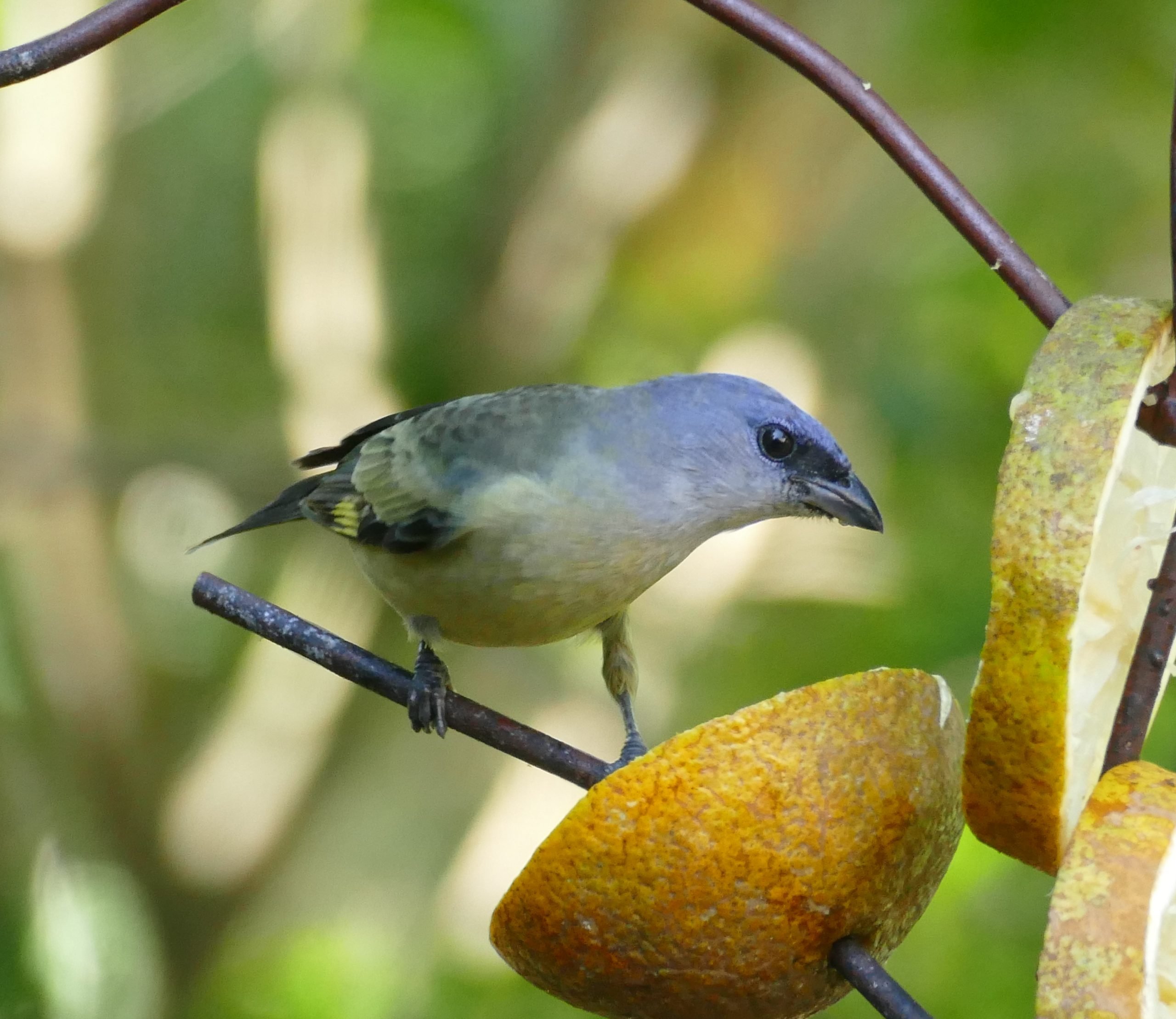
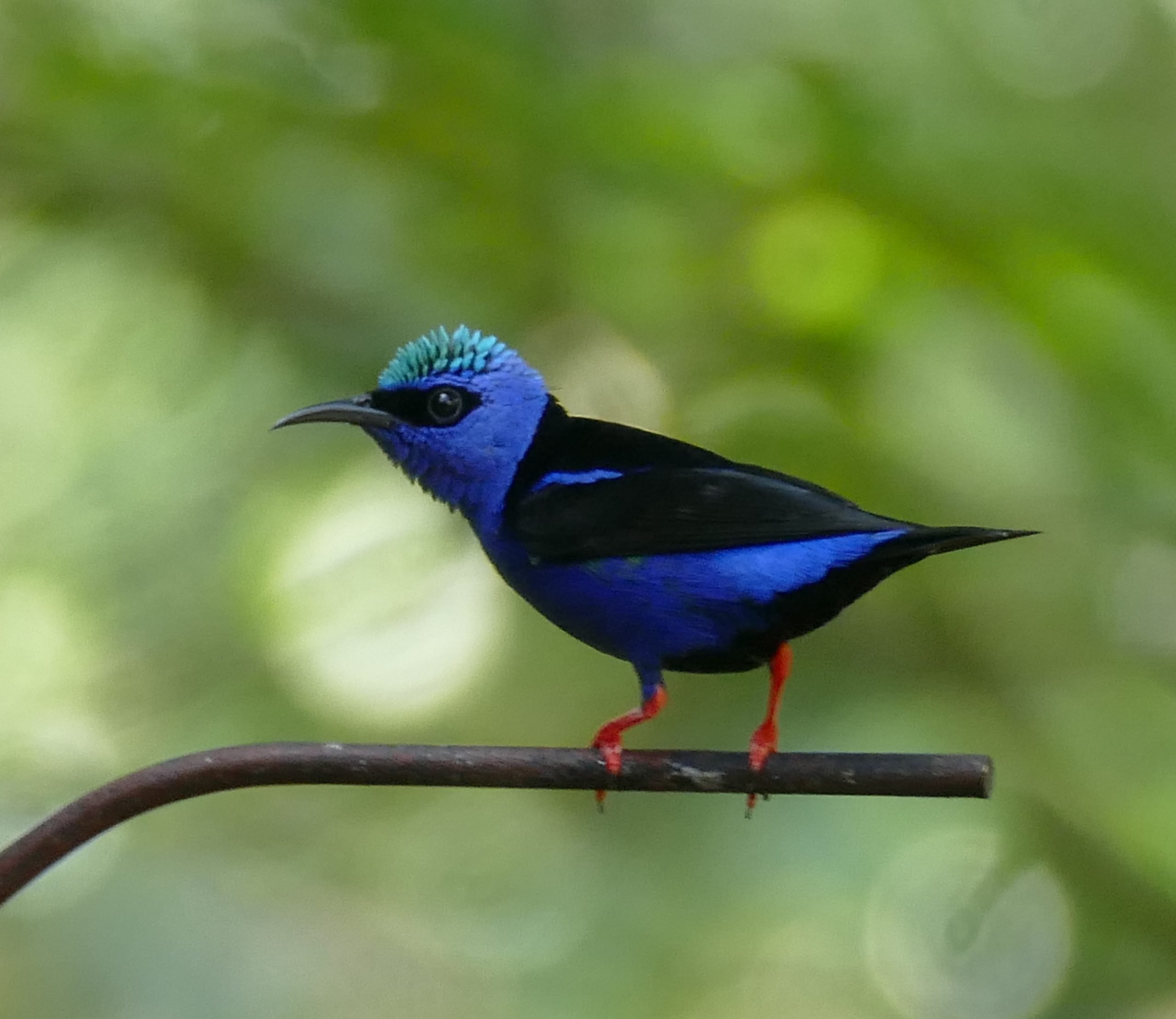
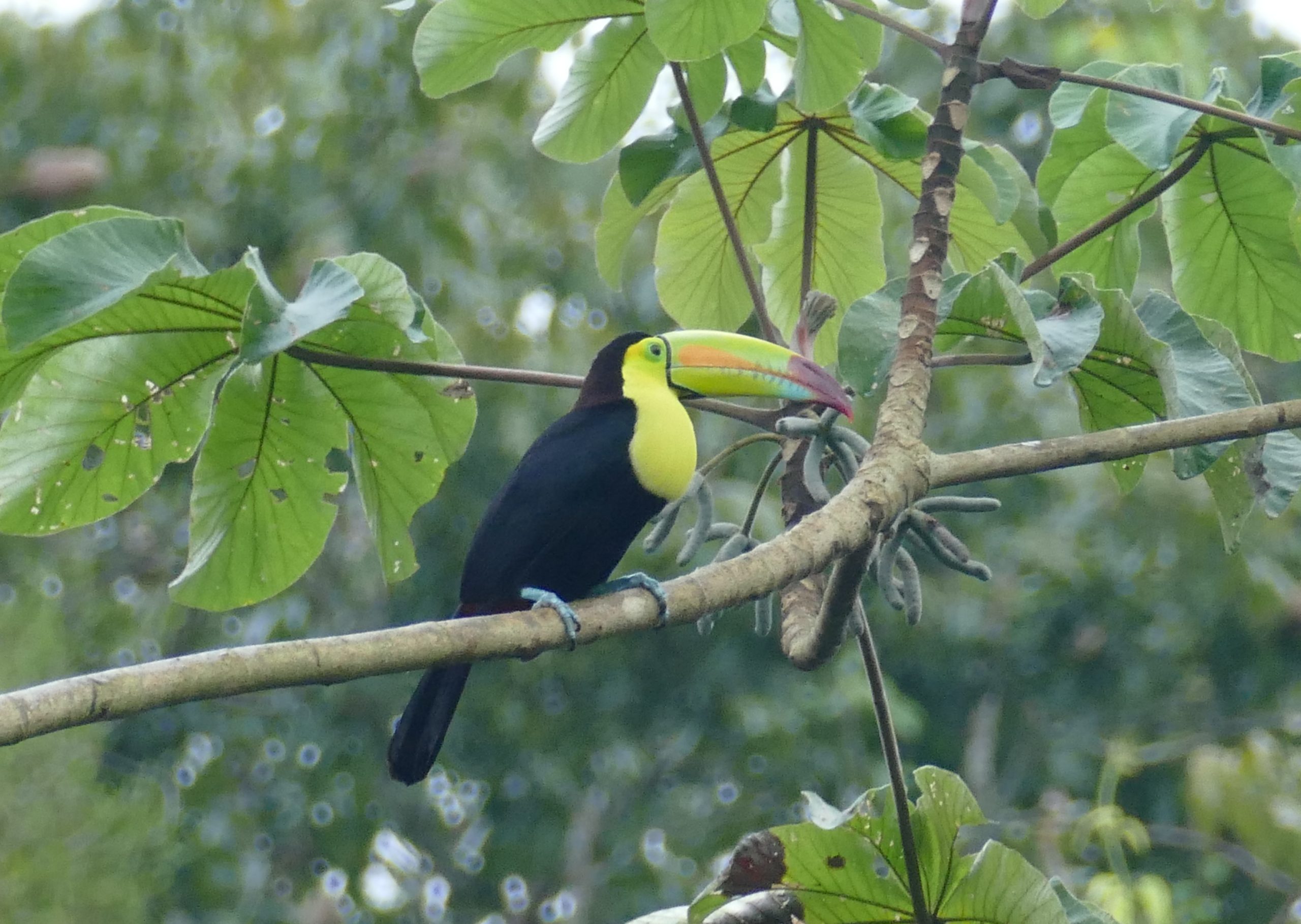
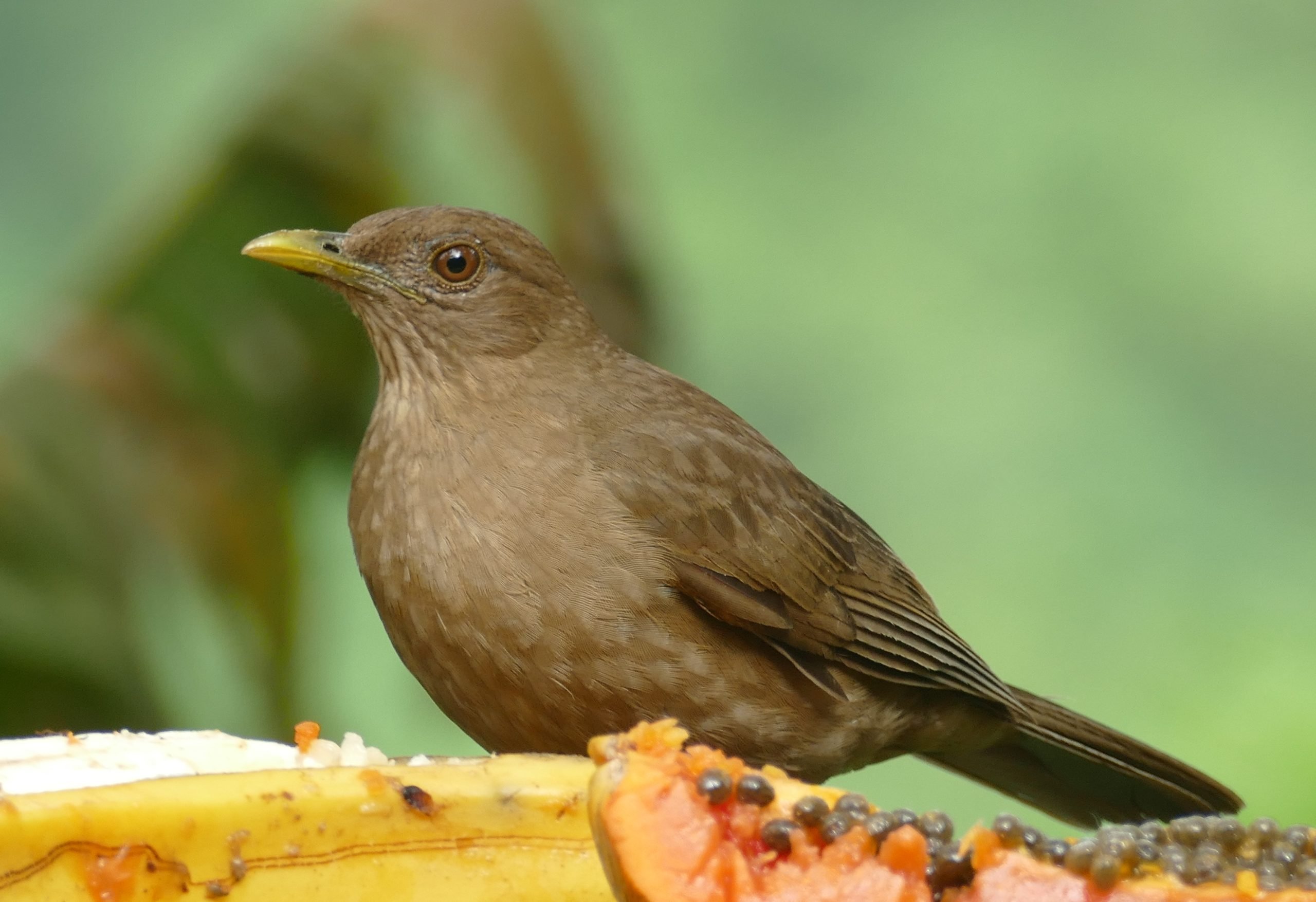
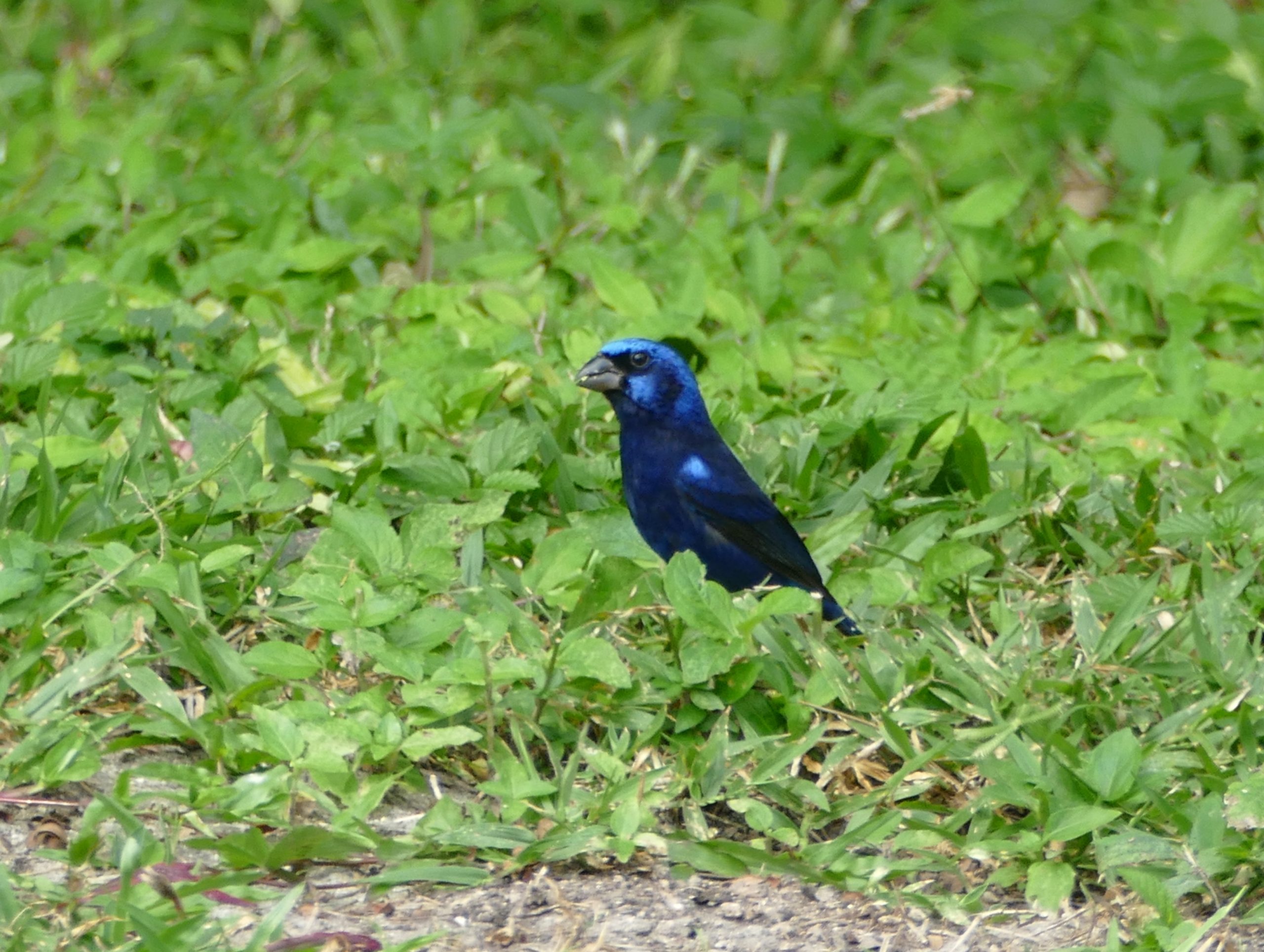
We began our day by birding the grounds of Crystal Paradise before breakfast. They should consider renaming the lodge Birder’s Paradise, because that’s exactly what it is! In just a short walk around the property, we saw Red-lored and White-fronted Parrots, Summer Tanagers, Red-throated Ant-Tanagers, Red-legged Honeycreepers, an Ivory-billed Woodcreeper, and the national bird of Belize, the Keel-billed Toucan. Then, as we enjoyed our breakfast, we watched the birds enjoy theirs, as they came into the well-stocked fruit feeders on the deck of the restaurant. We saw birds of every color as Brown Jays, Golden-fronted Woodpeckers, Clay-colored Thrushes, Yellow-throated Euphonias, Black-cowled Orioles, Blue-gray Tanagers, Yellow-winged Tanagers, and Black-headed Saltators all joined in on the feast!
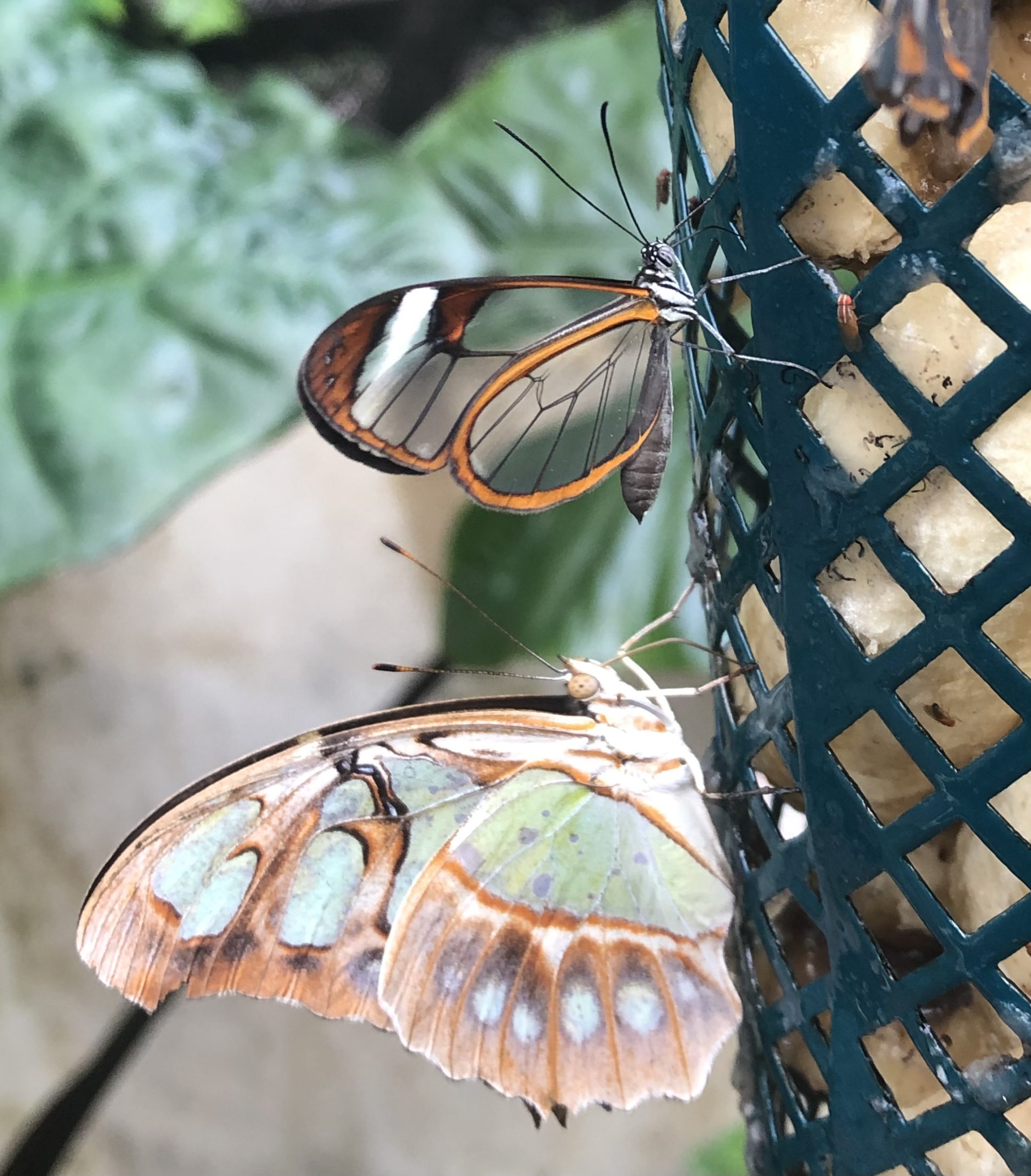
After the breakfast show, we headed to nearby Green Hills Butterfly Ranch. Here we were given a tour of their facilities, where they raise more than 20 species of native butterflies to send to collections around the world, as well as for native reintroduction programs. We saw their rearing process all the way from eggs to caterpillars to the gorgeous adult butterflies swarming the greenhouse, such as Blue Morphos, Common Owls, and the incredible Glasswing with its see-through wings. Once we were satisfied with the butterflies, we stepped outside into the spectacle that was the ranch’s hummingbird feeder setup. At any given time, there were more than 50 hummingbirds buzzing around our heads! The dominant species was White-necked Jacobin, but we also got to see Rufous-tailed Hummingbirds, Violet and Wedge-tailed Sabrewings, and White-bellied Emeralds. We then took a walk around the property and found some more great birds, including Common Tody-Flycatchers, Gray-collared Becards, and the trip’s first King Vulture.
We had another great meal back at Crystal Paradise and waited out the heat of the day enjoying the feeders there. Later in the afternoon, we drove to the nearby Mennonite community of Spanish Lookout and the Aguacate Lagoon. The birds in the forest near the lagoon proved to be a bit shy, but we did get to see Black-headed and Gartered Trogons and the beautiful Chestnut-colored Woodpecker. The open farmlands around Spanish Lookout provided even more bird diversity for what turned out to be quite the full day of birds!
Day 6 – Road to Tikal
We started the morning by once again birding around Crystal Paradise. The highlights were a flock of warblers feeding in a towering gaunacaste tree and excellent scope views of a Lesson’s Motmot, a bird that we had heard, but not seen, the previous day. After another hearty breakfast, we drove to a nearby dirt road and walked through the old forest habitat. There was a nice variety of birds there, but the star of the show had to be the Rufous-tailed Jacamar that gave us nice looks after a bit of searching to find it. We returned to the lodge once more for lunch, then got back in the van to make our way towards Tikal, one of the most famous Mayan ruins in the world, located across the border in Guatemala.
When we crossed the border, a driver was waiting to pick us up on the Guatemalan side. A short hour’s drive later, and we were pulling up to the Hotel Jaguar Inn, where we would spend the next three nights. We settled into our simple accommodations, had a nice dinner at the hotel restaurant, and went to bed with anticipation of the days ahead!
Day 7 – Tikal: Day One
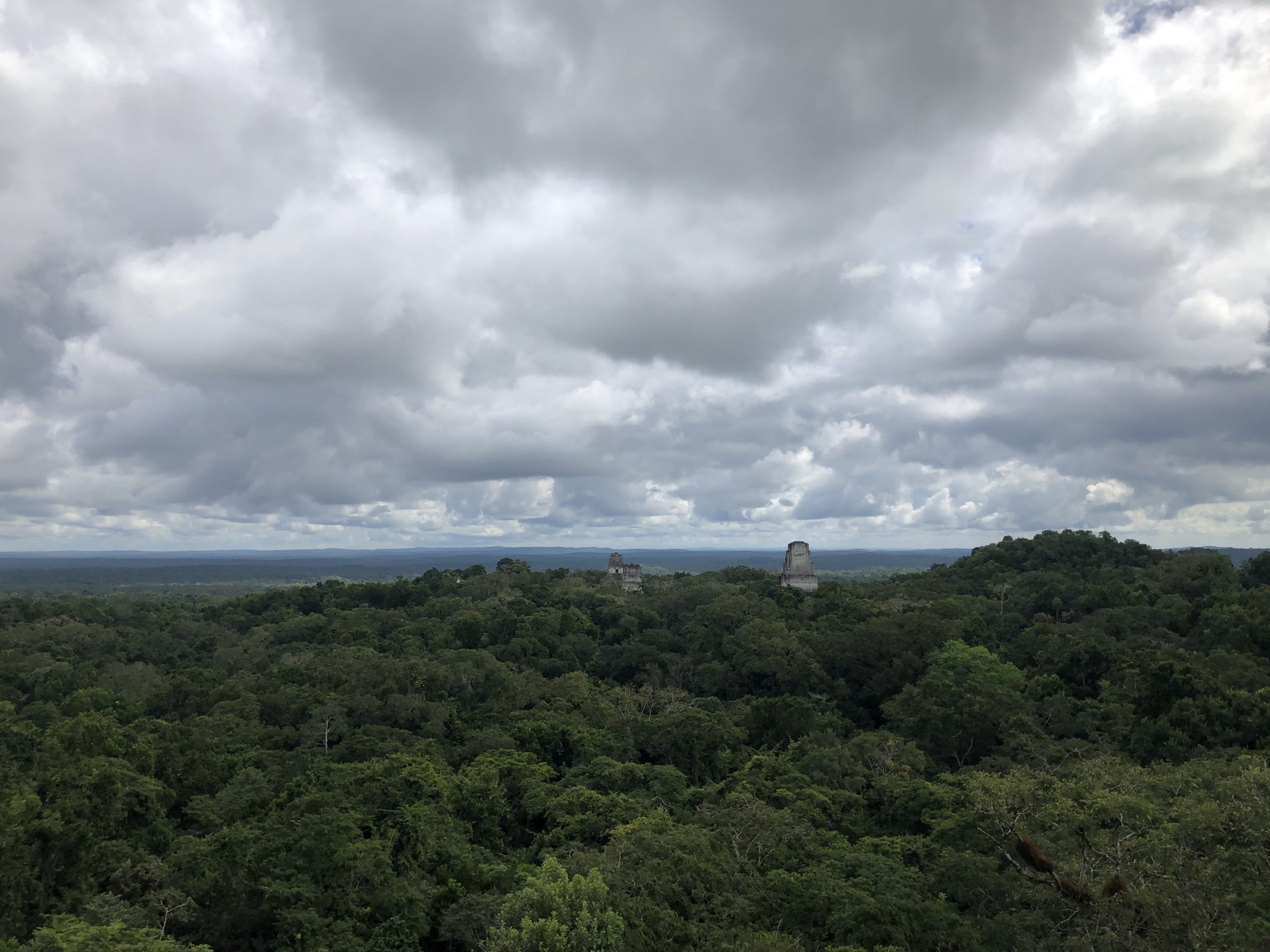
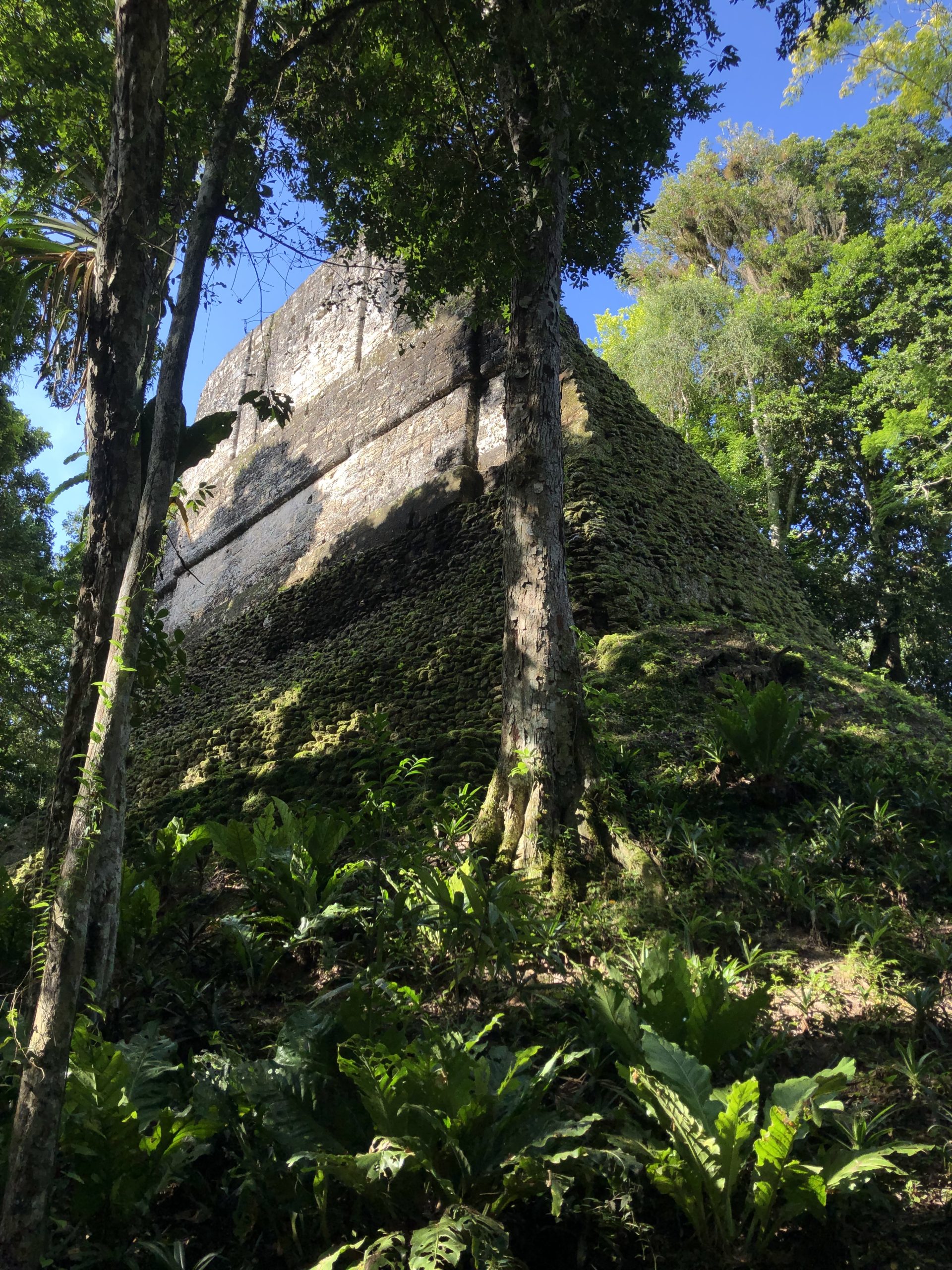
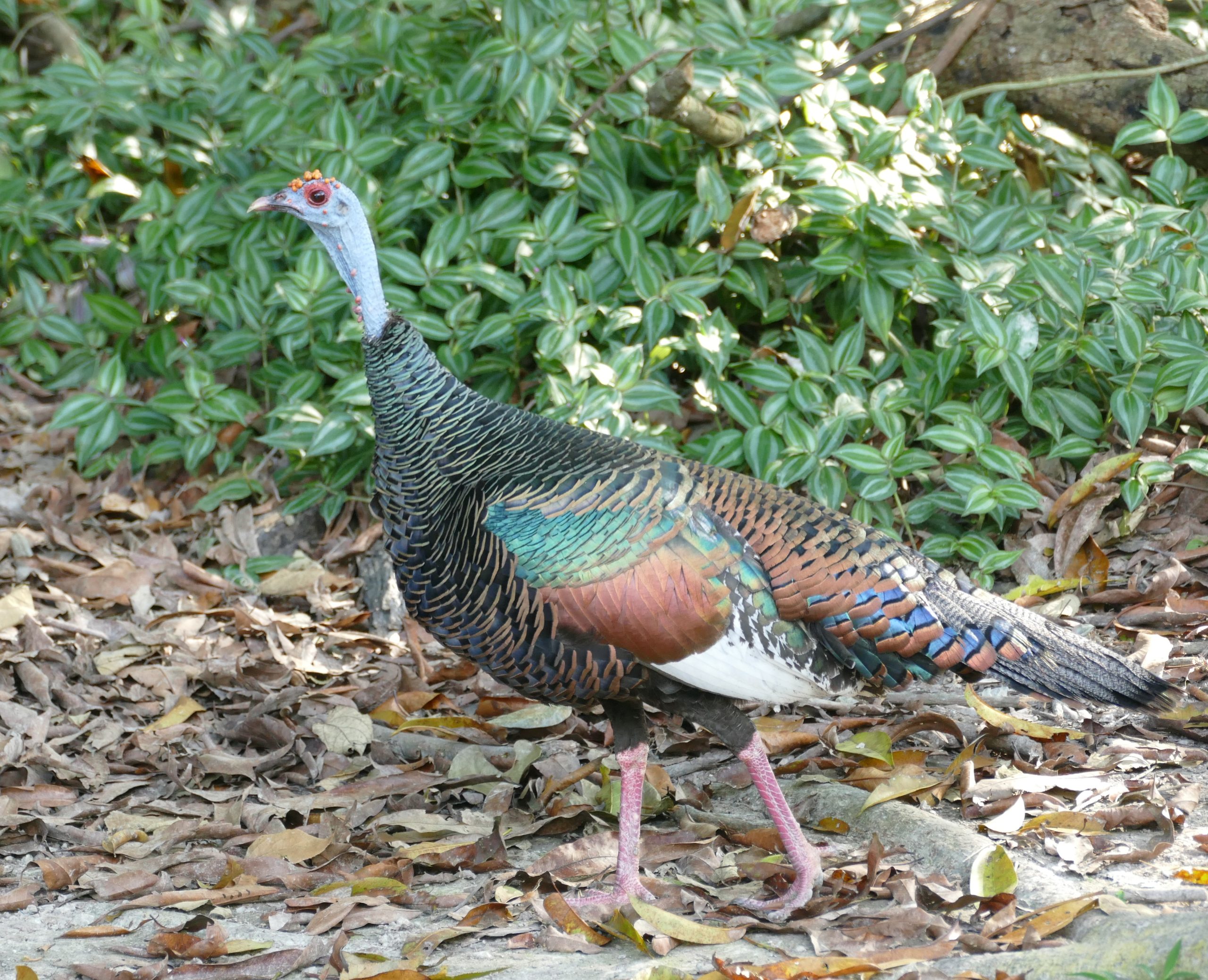
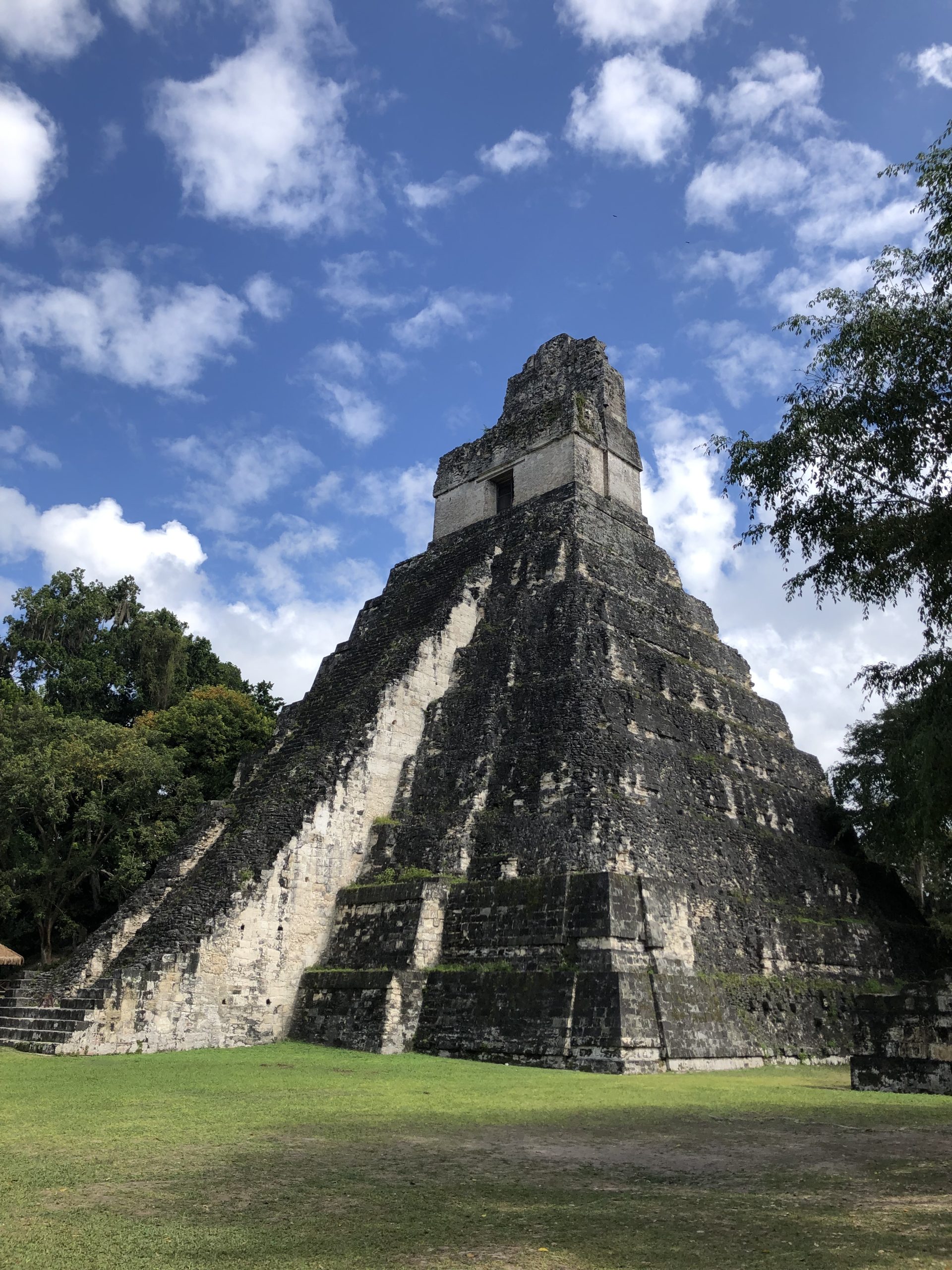
Our first day in Tikal began with a short birding walk before breakfast. We got a taste of what was to come with several Montezuma Oropendolas flying around and a handful of stunning, regionally endemic Ocellated Turkeys walking around the lawns. After breakfast, our local guide met us at the hotel, and we walked into Tikal National Park. The highlight of our first day was certainly the ruins themselves, which are more extensive and well-excavated than nearly every other Mayan site in the world. We climbed stone steps at the base of temples and strolled through vast plazas surrounded by Mayan structures, all while learning the history of the ancient city from our adept local guide.
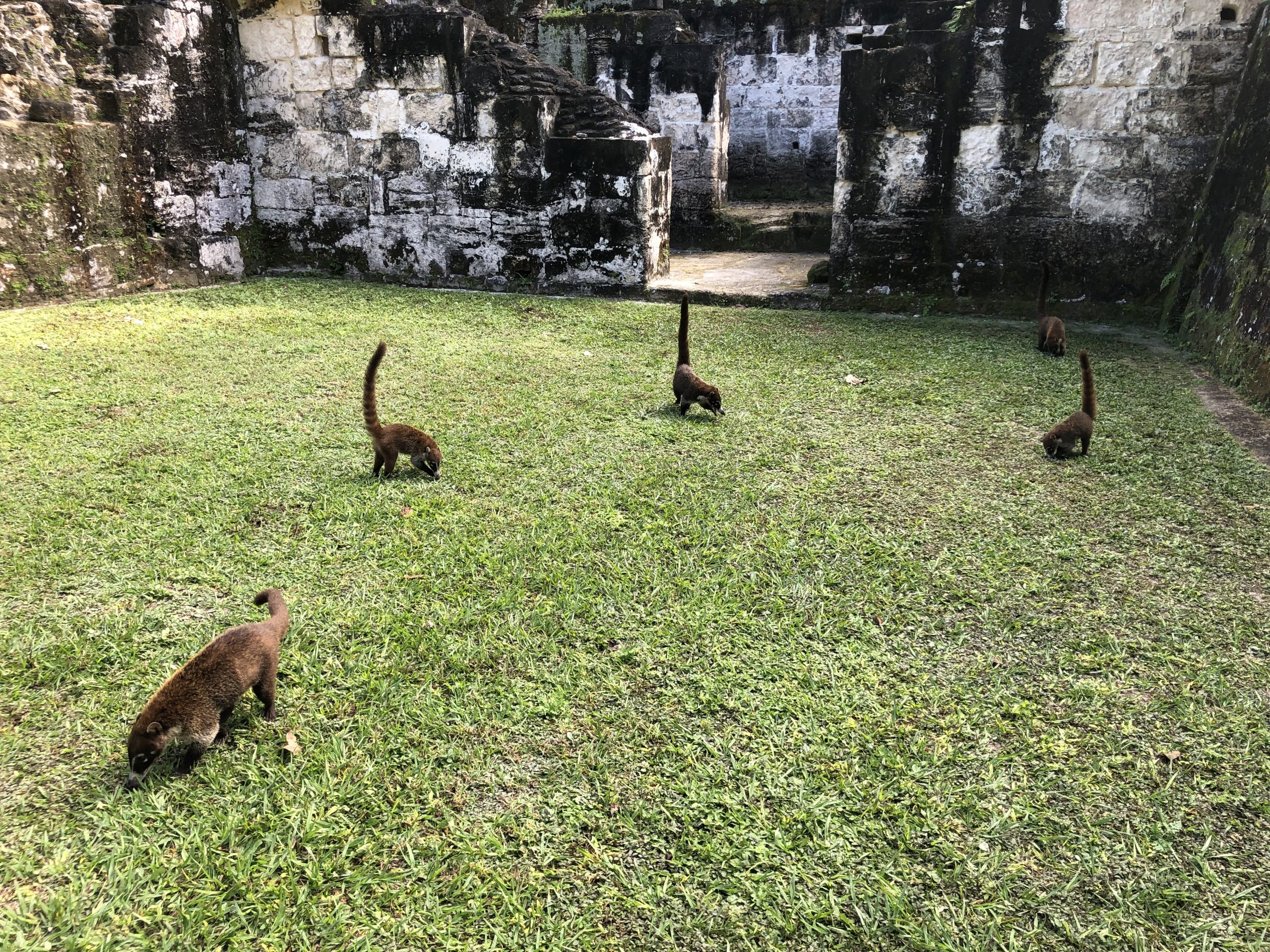
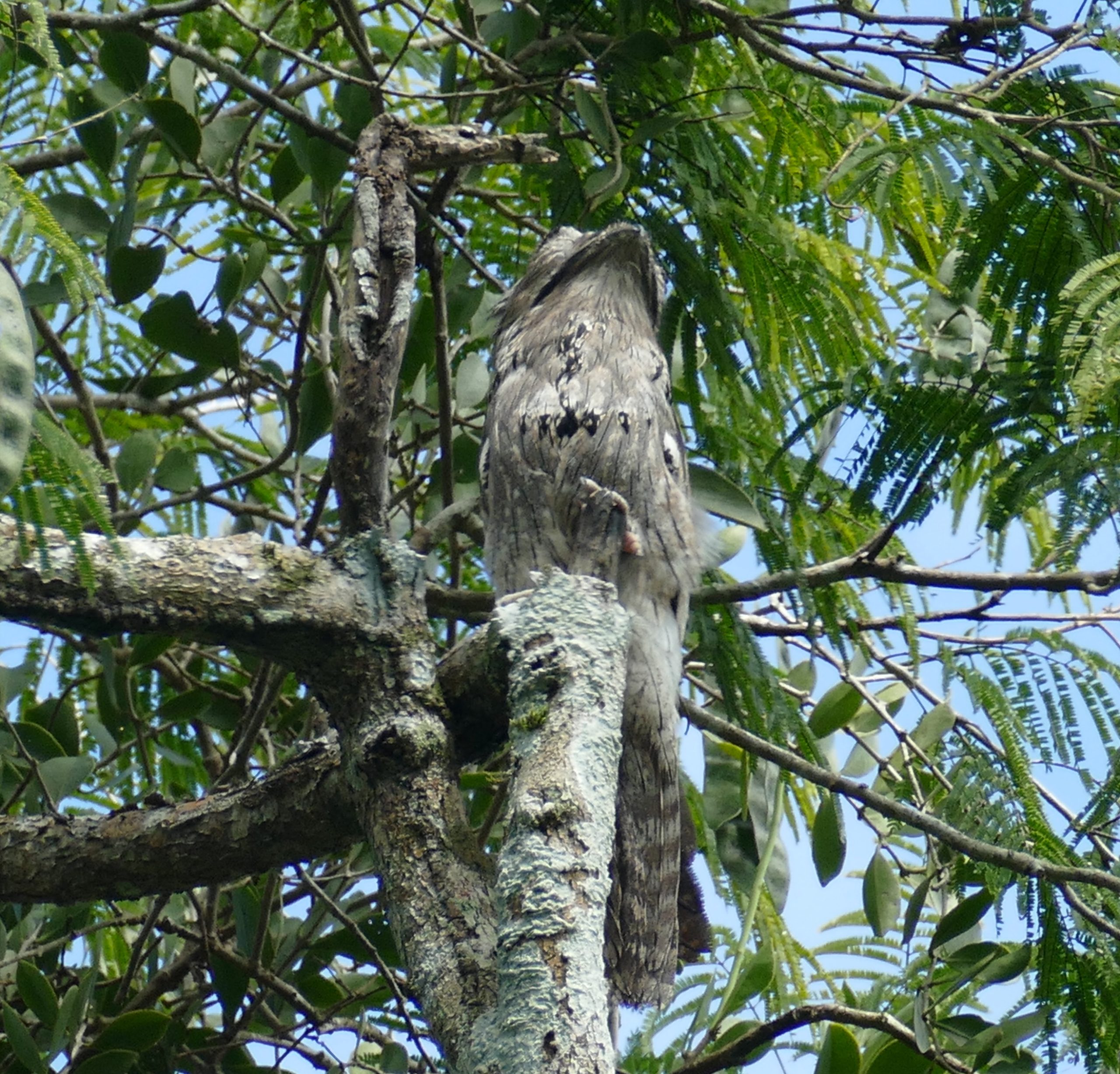
Despite spending all morning in the park, we covered only a fraction of the area. This didn’t stop us from finding some fascinating wildlife though, both furry and feathered. For mammals, we saw Central American Spider Monkeys, Central American Agoutis, and several large families of inquisitive White-nosed Coatis. Some of the best birds included high-flying Ornate Hawk-Eagles, a cryptic Northern Potoo, and a pair of Orange-breasted Falcons—one of the rarest birds in Central America!
After lunch and some downtime, we took an evening walk down a forested trail behind the hotel. Here, we found several new birds for the trip, including the handsome Gray-throated Chat, another bird that is endemic to the Yucatan Peninsula. Icing on the cake for our first full day in Tikal!
Day 8 – Tikal: Day Two
Our second day in Tikal was all about the birds. We again entered the National Park with our local guide, and he led us down a side road that gets far less tourist traffic. We had barely started in when we saw a pair of secretive Great Curassows, a great omen of things to come! Within a few short hours, we had seen more than 60 species of birds, including 10 species of flycatchers, a group of Collared Trogons, a beautiful male Black-throated Shrike-Tanager, and a regal Gray-headed Kite. All of this happened before lunch, which we had in a restaurant located within the park. After a wonderful meal surrounded by the jungle, we had one more prize in store before we reached the park exit—a Crane Hawk! We watched for quite some time as this “long-legged, small headed” predator used its unique physiology to probe into cracks and crevices in the trees, looking for a meal of its own.
In the afternoon, we had free time for folks to spend how they wished. Some used it to get some rest, a few to explore the museums just outside of the park entrance, while others snuck in some last-minute birding. But all went to sleep that night with great memories of the many amazing birds of Tikal.
Does this kind of trip sound like fun to you? Check out our UPCOMING TOURS!
Day 9 – Back into Belize
This was primarily a day of travel, as we were headed back into Belize. However, we did have a few quick stops before we reached the border, including one at a spectacular wetland site along the road called La Polvora. Here we got to see a remarkable concentration of water birds, such as Limpkins, Common and Purple Gallinules, Black-bellied Whistling-Ducks, and more. The best bird was not a water bird, however, but an Azure-crowned Hummingbird. This locally rare hummer came within a few feet of us as it fed on the roadside flowers for a few seconds before zooming off. Talk about being in the right place at the right time!
Before long, we were back in Belize, having lunch at the same restaurant that we had visited a few days prior. Then it was on to Belize City, where we boarded the water taxi and headed to the delightful island of Caye Caulker. Once on the island, we checked-in to Island Magic Resort, where we would spend the last couple days of our tour.
Day 10 – Snorkeling and Relaxation
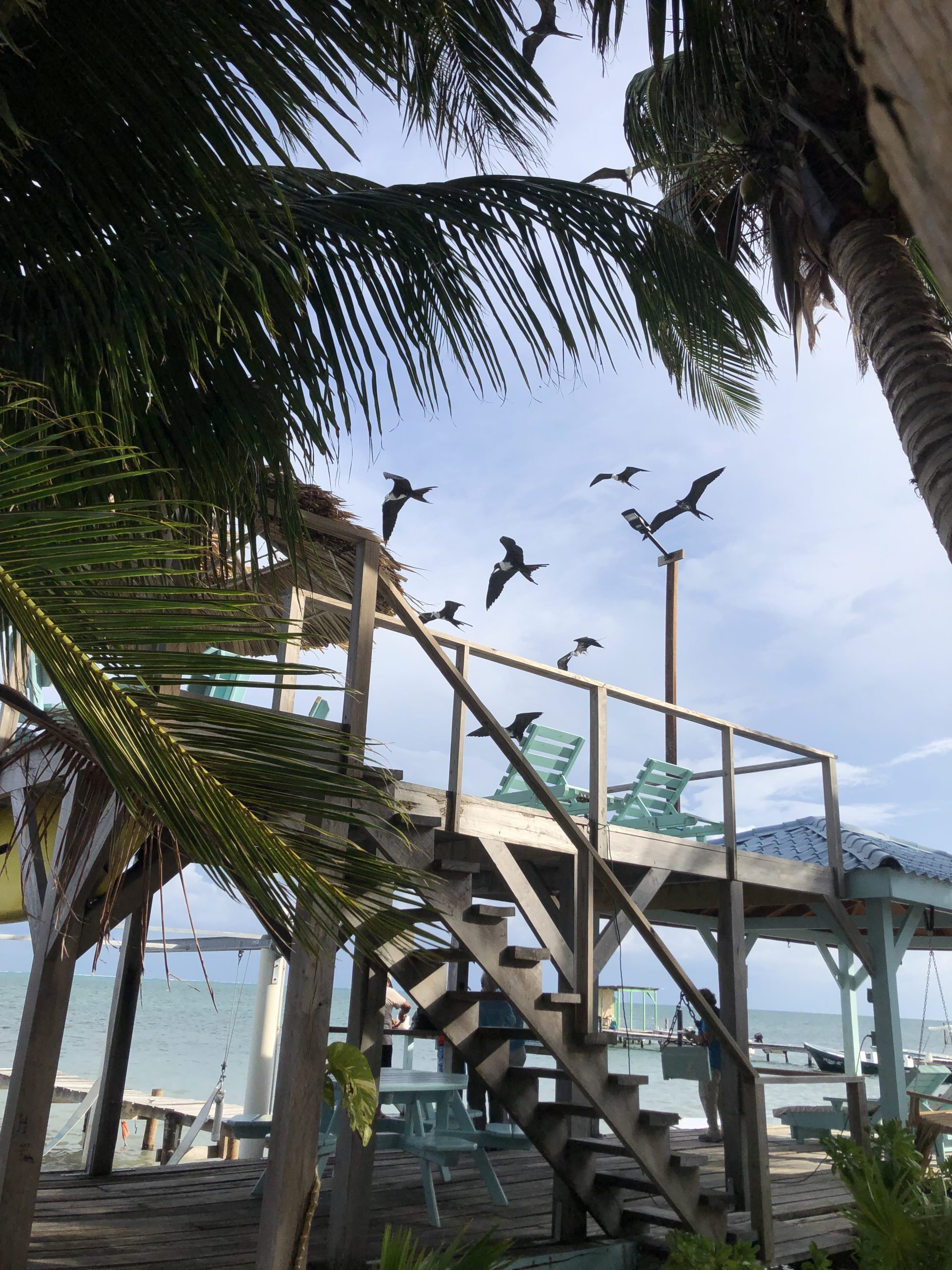
We started our first day on Caye Caulker with a little bit of pre-breakfast birding. We walked down the coastline and picked up a few new species of shorebirds before circling back inland. In a few forested patches, we found some island specialties such as Black Catbird, Caribbean Elaenia, and Yucatan Vireo. We were also given quite a show by a gorgeous male Cape May Warbler right at the end of our walk! Back at the hotel, we enjoyed a calming Caribbean breeze as we ate our breakfast under the shade of palm trees on the beach.
A short while later, we walked across the street to get geared up for snorkeling. Before we knew it, we were boating towards the Mesoamerican Barrier Reef, where we would make three snorkeling stops. We got the chance to swim with Nurse Sharks, Southern Stingrays, countless tropical fish, and many types of healthy and colorful corals. We then boated to the far side of the island where we were given the chance to feed large Atlantic Tarpons that would leap out of the water for fish. From the dock, we saw a spiky (and venomous) scorpionfish and a well-camouflaged seahorse, both of which were hanging out in netting that was placed in the water to create a microhabitat for many sea creatures.
The afternoon was a time for some relaxation, but a few intrepid group members went out and found another island specialty, the Rufous-necked Wood-Rail. You can never get too many birds!
Full bird list [download]
Bird Species Highlights
- Orange-breasted Falcon
- Ocellated Turkey
- Yucatan Jay
- Crane Hawk
- Rufous-necked Wood-Rail
- Keel-billed Toucan
- White-necked Jacobin
- Northern Potoo
- Gray-throated Chat
- Rufous-tailed Jacamar